Gifts for hikers
Gifts for hikers that fix a real problem
Footwear is a risky gift: it has to fit a foot you can't measure. Socks, insoles, gaiters, blister care and traction are the safe bets, and every one of them fixes something a hiker actually deals with.
2 guides and picks in this section · How we choose
We earn a commission if you buy through our links, at no extra cost to you. It never decides the ranking: the method is published. Affiliate disclosure
Start here
Read this first
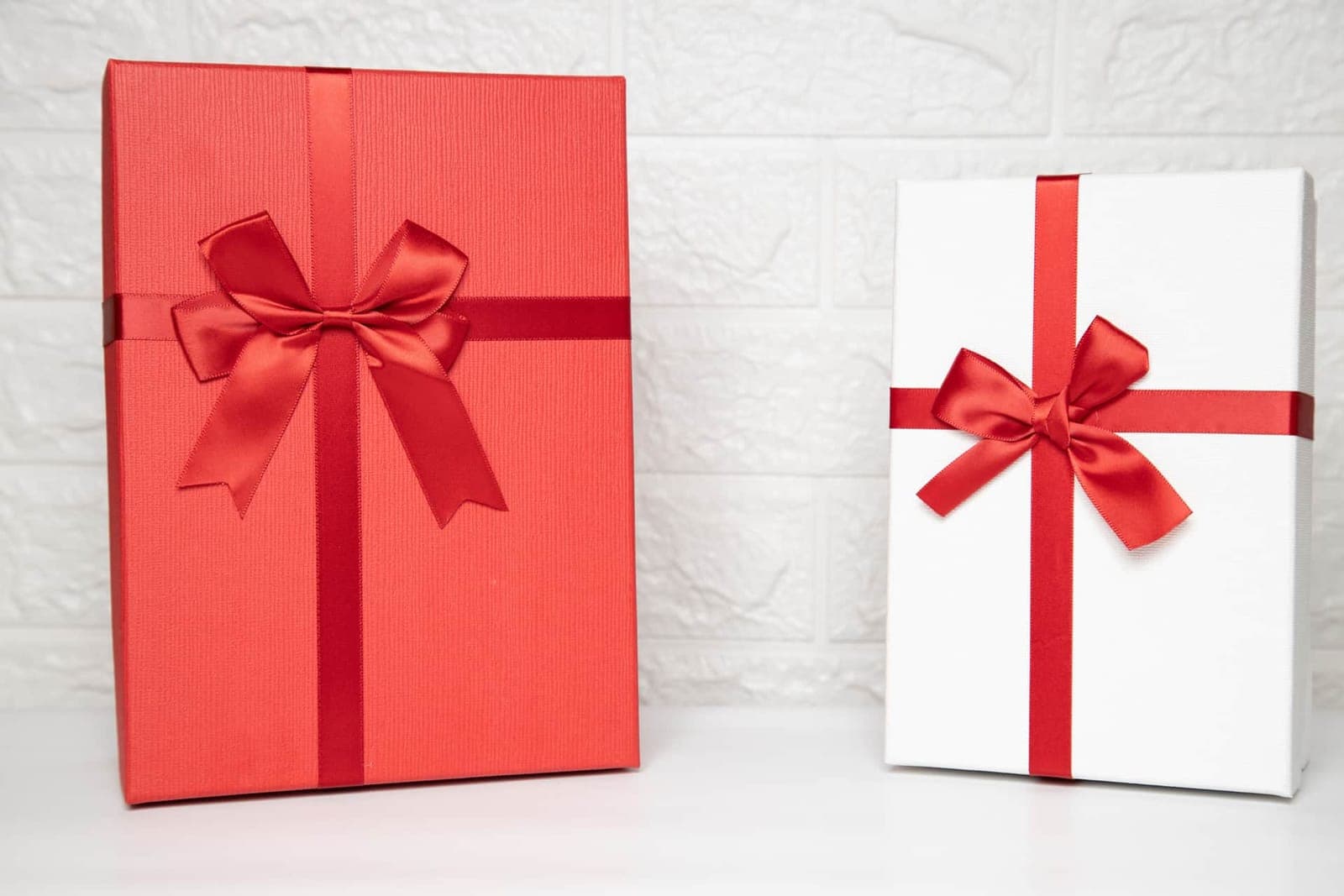
Best Gifts for Hikers
Socks, insoles, gaiters, traction and blister care: gifts a hiker will actually use, with no shoe-size gamble.
Read the fix guideFeatured pick: Darn Tough Hiker Micro Crew Midweight Cushion
#ad · Price set by Amazon · Affiliate disclosure for the link to Darn Tough Hiker Micro Crew Midweight Cushion
Best picks
Ranked picks for this problem

Gift guide
Hiking gifts under $50
Manufacturer list price under $50 on every pick: socks, blister care, an insole, a gaiter and traction, all sized in ranges.
Top pick: Wrightsock Escape Crew · 8 picks
Check price on Amazon#ad · Price set by Amazon · Affiliate disclosure for the link to Wrightsock Escape Crew
Why footwear is a risky gift
A hiking boot or trail shoe is built on a specific last: length, width, arch height and internal volume all vary by brand, and none of that shows up in a single number like "size 9." The American Podiatric Medical Association frames a good shoe fit as an individual match, down to arch type, and points people toward having their own feet measured rather than guessed (APMA). That's something you can do for yourself at a store, but not for someone else as a surprise. Buy the wrong boot and it usually just sits in a closet or gets returned; buy the wrong pair of socks or the wrong insole and it's a much smaller miss. Our best gifts for hikers guide is built around that idea: every pick on it sizes in a range, not an exact number.
How the safe picks divide
Five categories cover almost every gift a hiker will actually use, and each one solves a specific problem instead of just looking the part.
- Socks and toe socks address friction and moisture, the two things that cause blisters. They're sized in bands that span two or three shoe sizes, which makes them the safest bet on this list. See the full best hiking socks roundup for the lineup, or Darn Tough vs Smartwool if you're deciding between two well-known merino options.
- Insoles replace the stock footbed inside boots the hiker already owns, adding arch support or cushioning without needing a new pair of boots. They're sold in paired ranges rather than one exact size. See best insoles for hiking boots for the full lineup.
- Gaiters keep water, mud, snow and trail debris out of the boot opening, from a light trail-runner sock gaiter up to a fully waterproof GORE-TEX design. See best hiking gaiters for the range.
- Traction devices strap onto boots a hiker already owns for icy trails and trailheads, and size the same broad way as gaiters.
- Blister care, tape, patches, balms and kits, has no sizing at all and gets used on almost every multi-day trip.
Matching the gift to the hiker
You don't need their shoe brand or a foot measurement to pick well here, just a sense of how they hike. Someone who mentions blisters or hot spots is a sock, liner sock or blister-care candidate. Someone who complains about foot or arch fatigue after a long day is an insole candidate, though a general support insole is a safer guess than one built around a specific arch height or condition. Someone who hikes in mud, rain or snow benefits from a gaiter, and someone who hikes through winter conditions is the only real audience for a traction device; it's not a general-purpose gift. When in doubt, a consumable like blister tape or a balm is the lowest-risk option on the whole list, since every hiker eventually uses it up and needs more.
The common mistake
The most common gifting mistake is buying exact-size footwear as a surprise, based on a shoe size someone mentioned once or a size printed inside an old pair. Fit varies enough by brand and model that even the right size on paper can be the wrong fit in hand, which is exactly the problem our how hiking boots are supposed to fit guide walks through. If you want to stay in budget rather than guess on fit, hiking gifts under $50 narrows these same five categories down by manufacturer list price, with no dollar figures needed to know it's a safe pick.
Filed elsewhere, written for you
Also worth reading

Blisters & Hot Spots
Best hiking socks
Hiking socks compared on published cushioning, materials and fit for blister-prone feet, from a double-layer guarantee sock to a full-cushion merino crew.
Top pick: Wrightsock Escape Crew · 6 picks
Check price on Amazon#ad · Price set by Amazon · Affiliate disclosure for the link to Wrightsock Escape Crew
Wet Feet & Winter
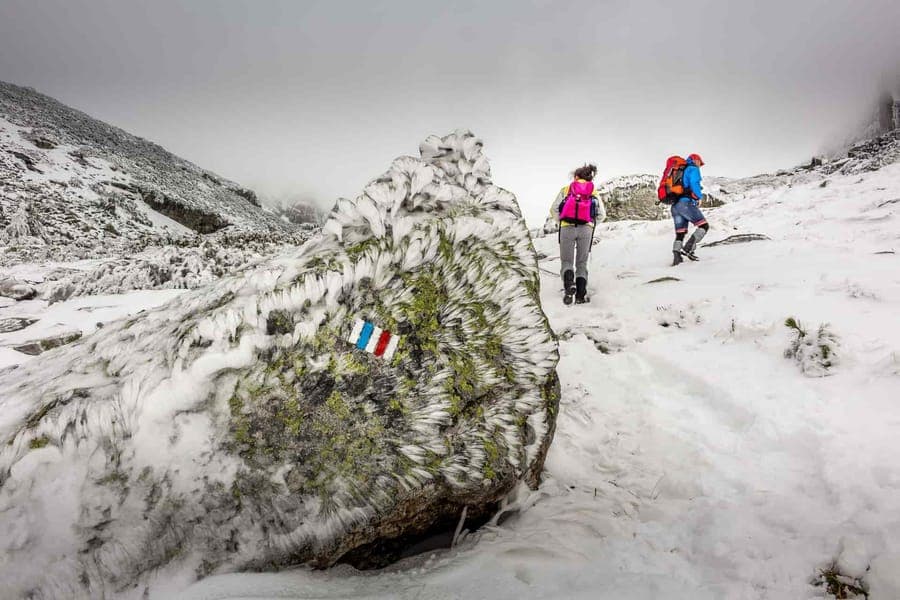
Best hiking gaiters
Six gaiters compared by height, waterproofing and weight, from full GORE-TEX snow gaiters to 28-gram trail-runner sleeves.
Top pick: Outdoor Research Crocodile Classic Gaiter · 6 picks
Check price on Amazon#ad · Price set by Amazon · Affiliate disclosure for the link to Outdoor Research Crocodile Classic Gaiter
Foot, Heel & Knee Pain
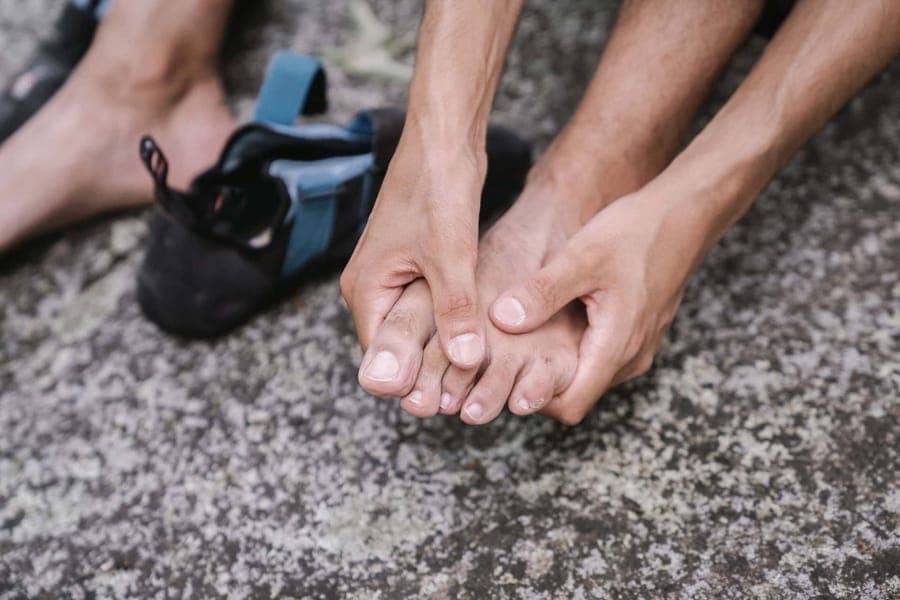
Best insoles for hiking boots
Arch height, cushioning and sizing compared across seven hiking insoles, so you can match one to your foot instead of guessing.
Top pick: Tread Labs Pace 2 · 7 picks
Check price on Amazon#ad · Price set by Amazon · Affiliate disclosure for the link to Tread Labs Pace 2
FAQ
Questions people ask
What's the safest gift for someone who hikes?
Should I buy hiking boots as a gift?
What do you get a hiker who has everything?
What if I don't know their exact shoe size?
Is a gift card a better option than guessing?
Ask us
Got a problem we haven't covered?
Tell us what hurts and where. Reader questions decide what we research next. Email mike@blackironathletics.com or use the contact form.