03Wide Feet & Foot Shape
Wide, flat or bunion-prone feet: footwear that actually fits
Most fit problems start with the wrong width or the wrong shape, not the wrong brand. Learn what the width letters mean, measure at home, then shop only boots and shoes sold in your shape.
11 guides and picks in this section · How we choose
We earn a commission if you buy through our links, at no extra cost to you. It never decides the ranking: the method is published. Affiliate disclosure
Start here
Read this first
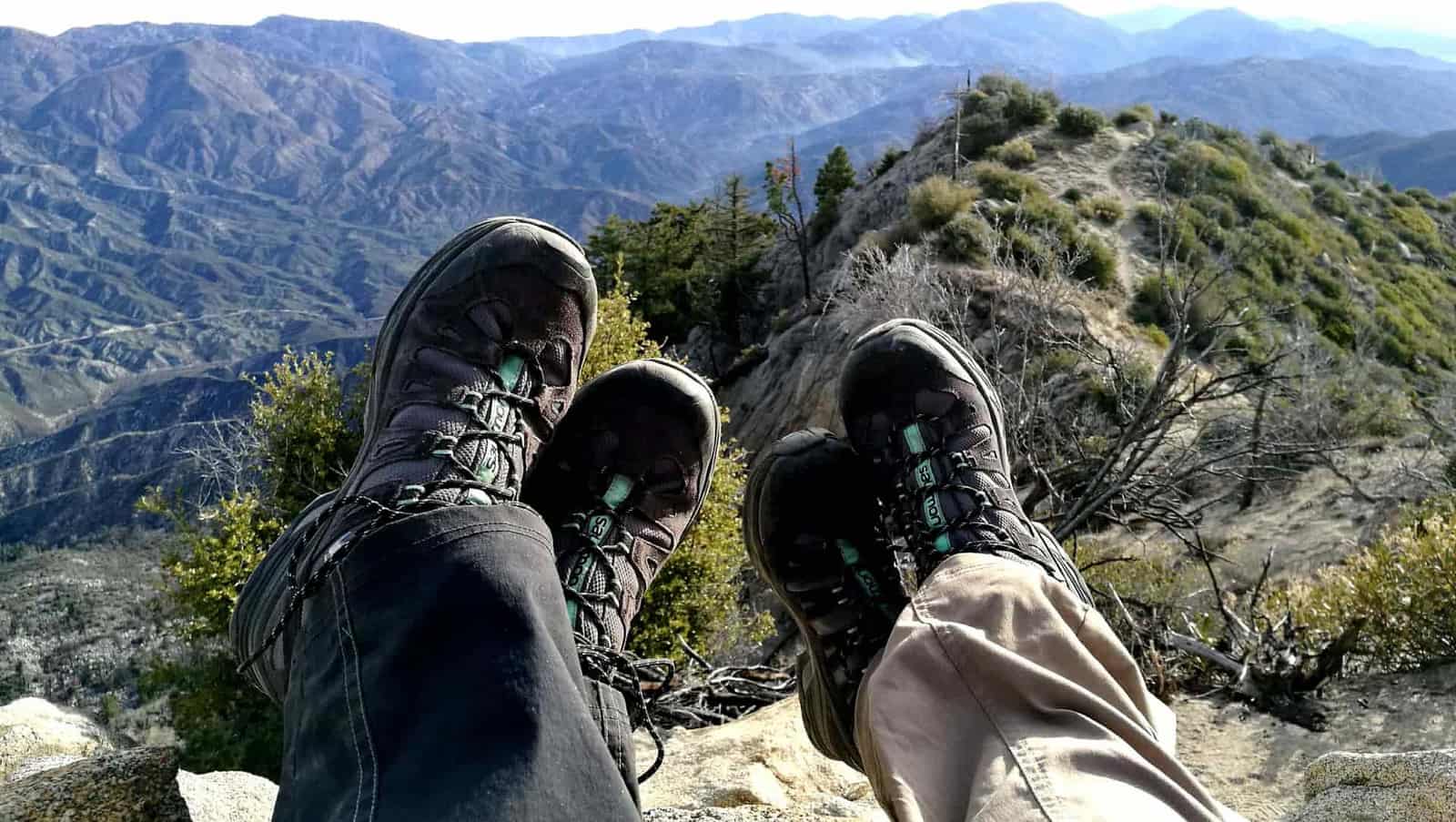
How Should Hiking Boots Fit?
The fit checks that actually matter, whether boots should be a size bigger, and what to do when a boot fits everywhere except one spot.
Read the fix guideFeatured pick: KEEN Targhee IV Mid Waterproof
#ad · Price set by Amazon · Affiliate disclosure for the link to KEEN Targhee IV Mid Waterproof
Best picks
Ranked picks for this problem

Best picks
Best boots for wide feet
Current hiking boots sold in a real wide width, ranked from a men's Wide up to extra-wide 4E and 5E options.
Top pick: Propet Ridge Walker · 7 picks
Check price on Amazon#ad · Price set by Amazon · Affiliate disclosure for the link to Propet Ridge Walker

Best picks
Best women's wide boots
Current hiking boots with a verified women's wide width, from an all-around waterproof mid to a budget-friendly pick.
Top pick: Merrell Moab 3 Mid Waterproof · 6 picks
Check price on Amazon#ad · Price set by Amazon · Affiliate disclosure for the link to Merrell Moab 3 Mid Waterproof
Best picks
Best wide hiking shoes
Low-cut hiking shoes and wide trail runners with a published width option, from a men's E-Wide up to 4E.
Top pick: New Balance Fresh Foam X Hierro v9 · 7 picks
Check price on Amazon#ad · Price set by Amazon · Affiliate disclosure for the link to New Balance Fresh Foam X Hierro v9
Best picks
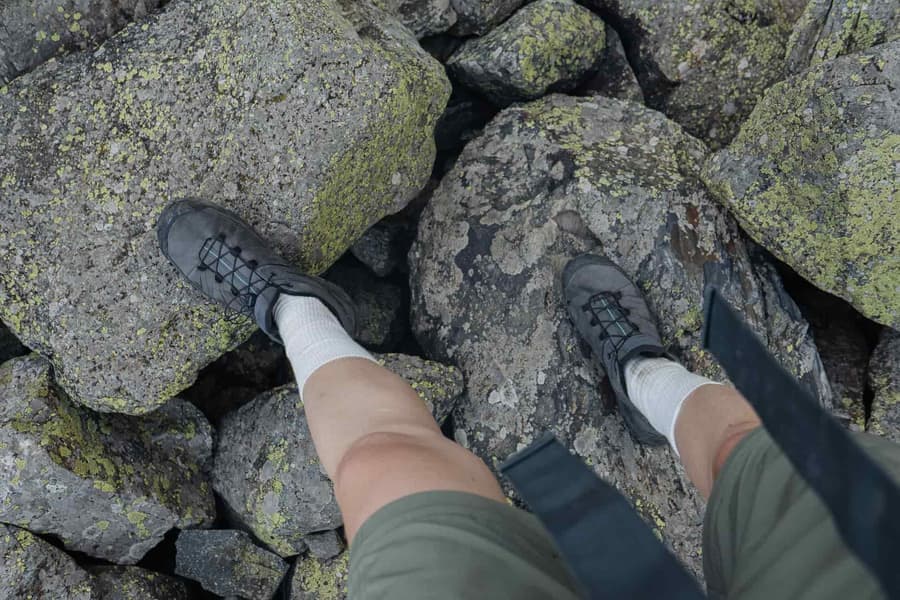
Best wide toe box shoes
Hiking shoes built on anatomical or foot-shaped lasts, so toes can spread instead of stacking on top of each other.
Top pick: Altra Lone Peak 9+ · 7 picks
Check price on Amazon#ad · Price set by Amazon · Affiliate disclosure for the link to Altra Lone Peak 9+

Best picks
Best boots for flat feet
Arch-support insoles and structured boots people with flat feet commonly look for, picked from published specs, not a claimed cure.
Top pick: Tread Labs Pace 2 · 7 picks
Check price on Amazon#ad · Price set by Amazon · Affiliate disclosure for the link to Tread Labs Pace 2
Best picks
Best shoes for bunions
Anatomical, foot-shaped toe boxes that keep pressure off the big-toe joint, picked from published specs and cited footwear guidance.
Top pick: Topo Athletic Ultraventure 5 · 6 picks
Check price on Amazon#ad · Price set by Amazon · Affiliate disclosure for the link to Topo Athletic Ultraventure 5
Start with the width, not the size
Most "these boots don't fit" complaints are actually width complaints wearing a length costume. If the sides of your foot pinch, your pinky toe burns, or the upper looks strained across the widest point, buying a longer boot won't help; the AAOS is specific that the fix for a shoe that's too narrow is a wider shoe, not a bigger one. Measure both feet standing, at the end of the day, since your feet expand under your body weight and swell further as the day goes on (AAOS). Run the full set of checks, including how much heel slip and toe room is normal, in how should hiking boots fit before you decide anything needs to change.
How width and foot shape divide
Once you know it's a fit problem, there are really two different fixes, and mixing them up wastes money. The first is overall width: some brands publish it as a letter (D is standard, E or 2E is wide, 4E is extra-wide), others just sell a separate "Wide" product, and none of it is standardized between brands. We break down exactly what each current brand and model publishes in hiking boot widths explained, and rank the boots and shoes that carry a real wide option in best hiking boots for wide feet and best hiking shoes for wide feet.
The second fix is toe-box shape, which is a different axis entirely: how much room your toes get to splay at the front of the shoe, independent of the boot's overall width rating. A shoe can be a true "Medium" and still have a roomy, squared-off toe box, which is the whole idea behind Altra and Topo's zero-drop, wide-toe-box designs. If your overall width is fine but your toes specifically feel cramped, or you deal with bunions, that's the fix you want, not a wider letter size.
What decides whether you need a boot or a shoe
Width availability alone doesn't answer whether you should be shopping boots or low-cut shoes; that's mostly a terrain and load question. A mid or high boot adds ankle coverage and a stiffer platform for rocky ground or a loaded pack, at the cost of weight. A low-cut shoe or trail runner is lighter and often the more comfortable wide-feet fix for maintained trails, since less structure around your foot means less material pressing on the parts that are already tight. Two of the most-searched wide-available models, one a mid boot, sit side by side in KEEN Targhee vs. Merrell Moab if you want a direct comparison rather than two separate lists.
The common mistake: sizing up instead of buying wide
The single most common fix we see people reach for first is the wrong one: a half size (or full size) bigger in length, hoping the extra room compensates for a boot that's actually too narrow. It doesn't. A longer boot in the wrong width just relocates the pinch point and adds a new problem, heel slip, on top of the one you started with. The AAOS ties tight, narrow footwear to real problems over time, including bunions, hammer toes and corns, not just discomfort on a single hike. If a brand you like doesn't publish a wide option for the model you want, the faster fix is usually a different brand or model, not a bigger size in the same one.
Measure both feet before you shop, buy to the larger one, and check the specific model's own width chart rather than assuming a brand-wide reputation for running roomy applies to every shoe it sells. Ten minutes with a ruler saves a return shipment, and it's the same habit that makes every list on this hub worth trusting: every pick below is a current model with a width the brand actually states, not one we're guessing at.
Head to head
Comparisons
Head to head
Targhee IV vs Moab 3
Two wide-available waterproof hikers compared on published specs: membrane, weight, drop and outsole.
Featured: KEEN Targhee IV Mid Waterproof
Check price on Amazon#ad · Price set by Amazon · Affiliate disclosure for the link to KEEN Targhee IV Mid Waterproof

Head to head
Altra vs Topo
Altra's zero-drop FootShape toe box compared against Topo's anatomical toe box on published specs.
Featured: Altra Lone Peak 9+
Check price on Amazon#ad · Price set by Amazon · Affiliate disclosure for the link to Altra Lone Peak 9+
Fix guides
Fix it before you buy
Fix guide
Boot widths explained
What width letters like 2E, EE and 4E mean, brand by brand, and which current models are sold in them.
Featured: Merrell Moab 3 Mid Waterproof
Check price on Amazon#ad · Price set by Amazon · Affiliate disclosure for the link to Merrell Moab 3 Mid Waterproof
Fix guide
Boots for a high instep
If the top of your foot aches or goes numb under the laces, that's usually instep height or foot volume, not width. What to try first and what to buy if it isn't enough.
Featured: KEEN Hightrail Mid Waterproof
Check price on Amazon#ad · Price set by Amazon · Affiliate disclosure for the link to KEEN Hightrail Mid Waterproof
Filed elsewhere, written for you
Also worth reading

Blisters & Hot Spots
Fix heel slip in boots
Why your heel lifts inside your hiking boots, the lacing fix to try first, and the socks and insoles that help when lacing isn't enough.
Featured: Darn Tough Hiker Micro Crew Midweight Cushion
Check price on Amazon#ad · Price set by Amazon · Affiliate disclosure for the link to Darn Tough Hiker Micro Crew Midweight Cushion
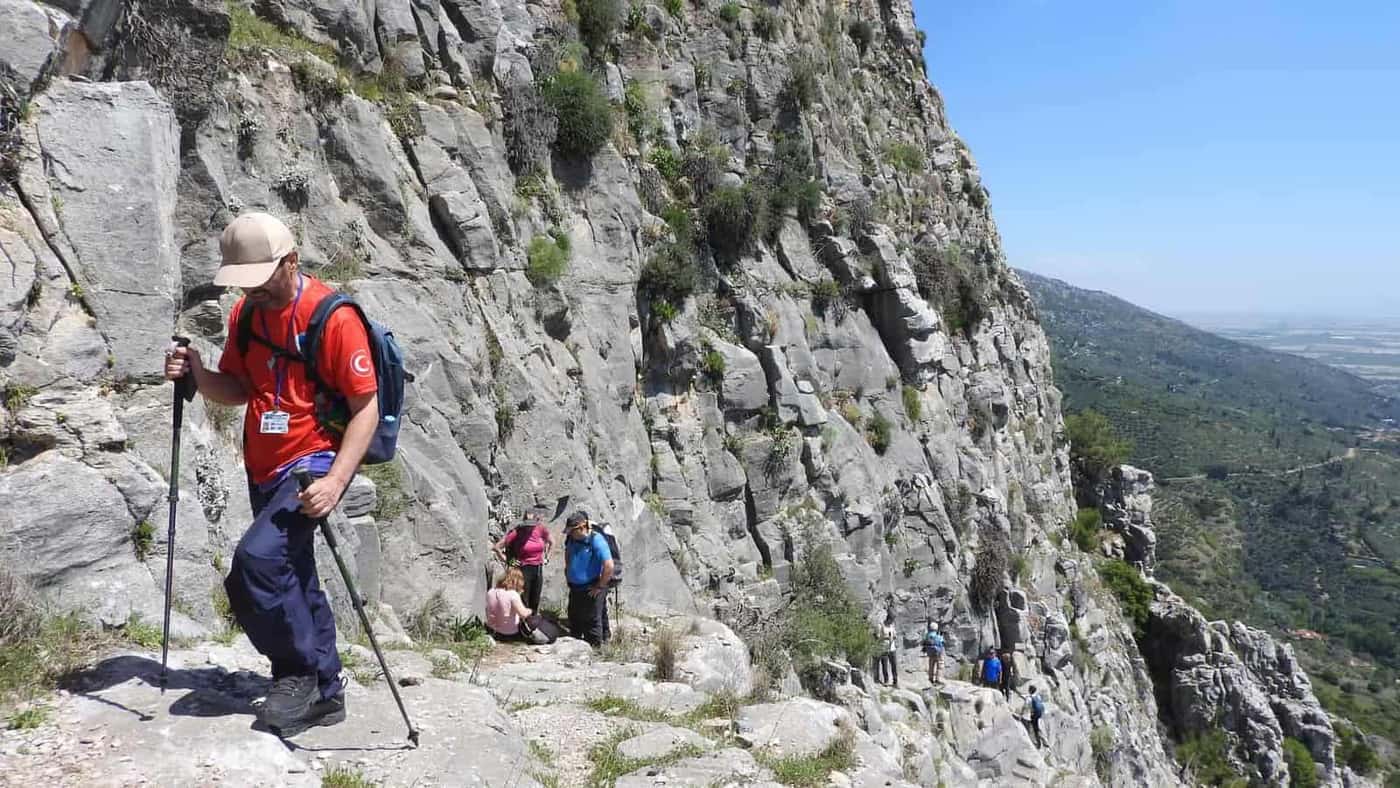
Blisters & Hot Spots
Toes hurt hiking downhill
Why your toes jam into the front of your boots on descents, the free lacing and trimming fixes, and the roomier footwear that helps.
Featured: Altra Lone Peak 9+
Check price on Amazon#ad · Price set by Amazon · Affiliate disclosure for the link to Altra Lone Peak 9+
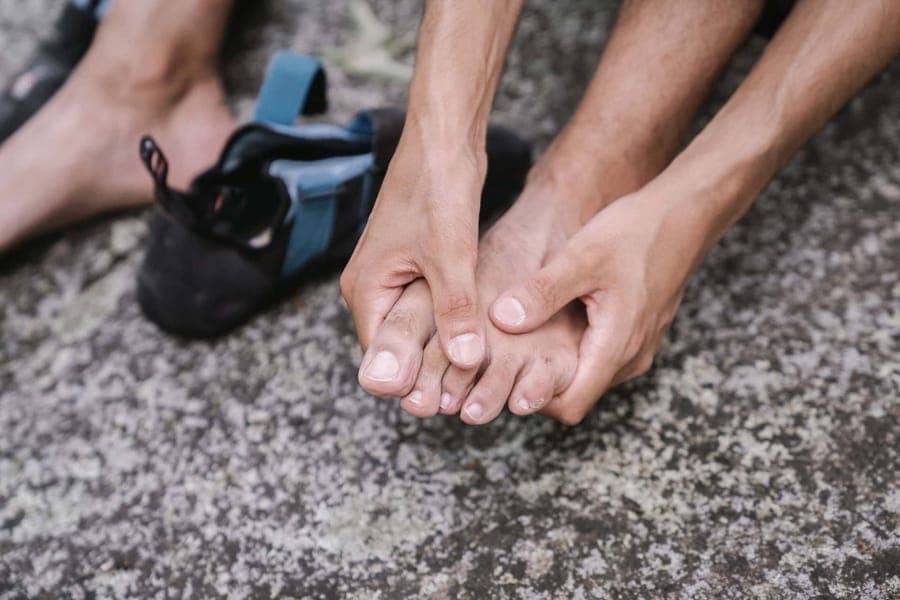
Foot, Heel & Knee Pain
Best insoles for hiking boots
Arch height, cushioning and sizing compared across seven hiking insoles, so you can match one to your foot instead of guessing.
Top pick: Tread Labs Pace 2 · 7 picks
Check price on Amazon#ad · Price set by Amazon · Affiliate disclosure for the link to Tread Labs Pace 2
FAQ
Questions people ask
How do I know if I need wide hiking boots?
Do wide feet and a wide toe box need different footwear?
Should I buy a half size bigger if I can't find my width?
Do flat feet and bunions need different footwear than 'just' wide feet?
Ask us
Got a problem we haven't covered?
Tell us what hurts and where. Reader questions decide what we research next. Email mike@blackironathletics.com or use the contact form.