06Boots vs Trail Runners
Boots or trail runners? Decide by terrain and pack weight
There is no best hiking footwear, only the best match for your terrain, your pack and your ankles. Use the decision table, then go straight to the picks for the footwear type it points you to.
13 guides and picks in this section · How we choose
We earn a commission if you buy through our links, at no extra cost to you. It never decides the ranking: the method is published. Affiliate disclosure
Start here
Read this first
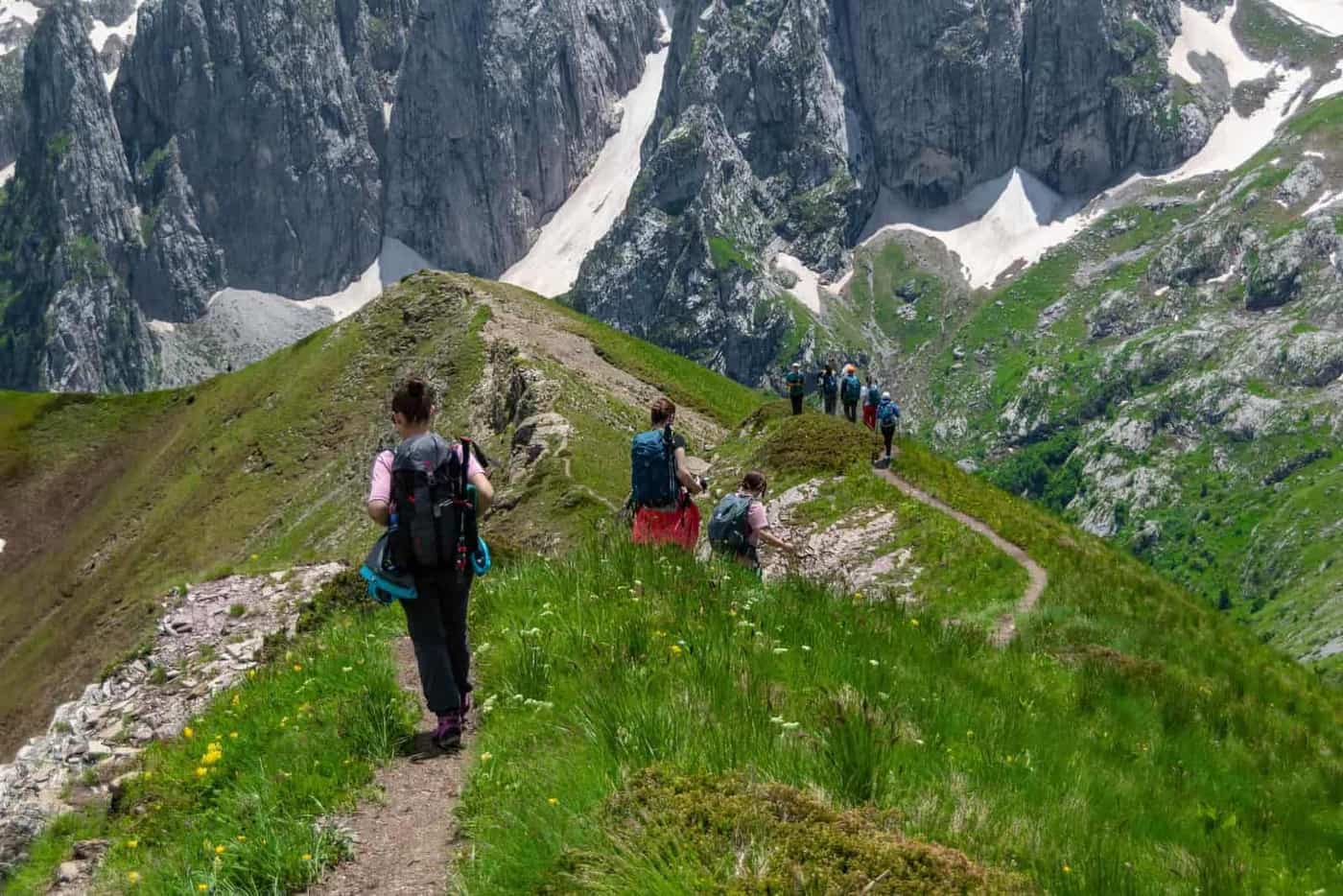
Hiking Boots vs. Trail Runners: How to Decide
Boots and trail runners each fix a different set of problems. This is the terrain-and-load decision, with a real boot, hiking shoe and trail runner to compare.
Read the fix guideFeatured pick: LOWA Renegade EVO GTX Mid
#ad · Price set by Amazon · Affiliate disclosure for the link to LOWA Renegade EVO GTX Mid
Best picks
Ranked picks for this problem
Best picks
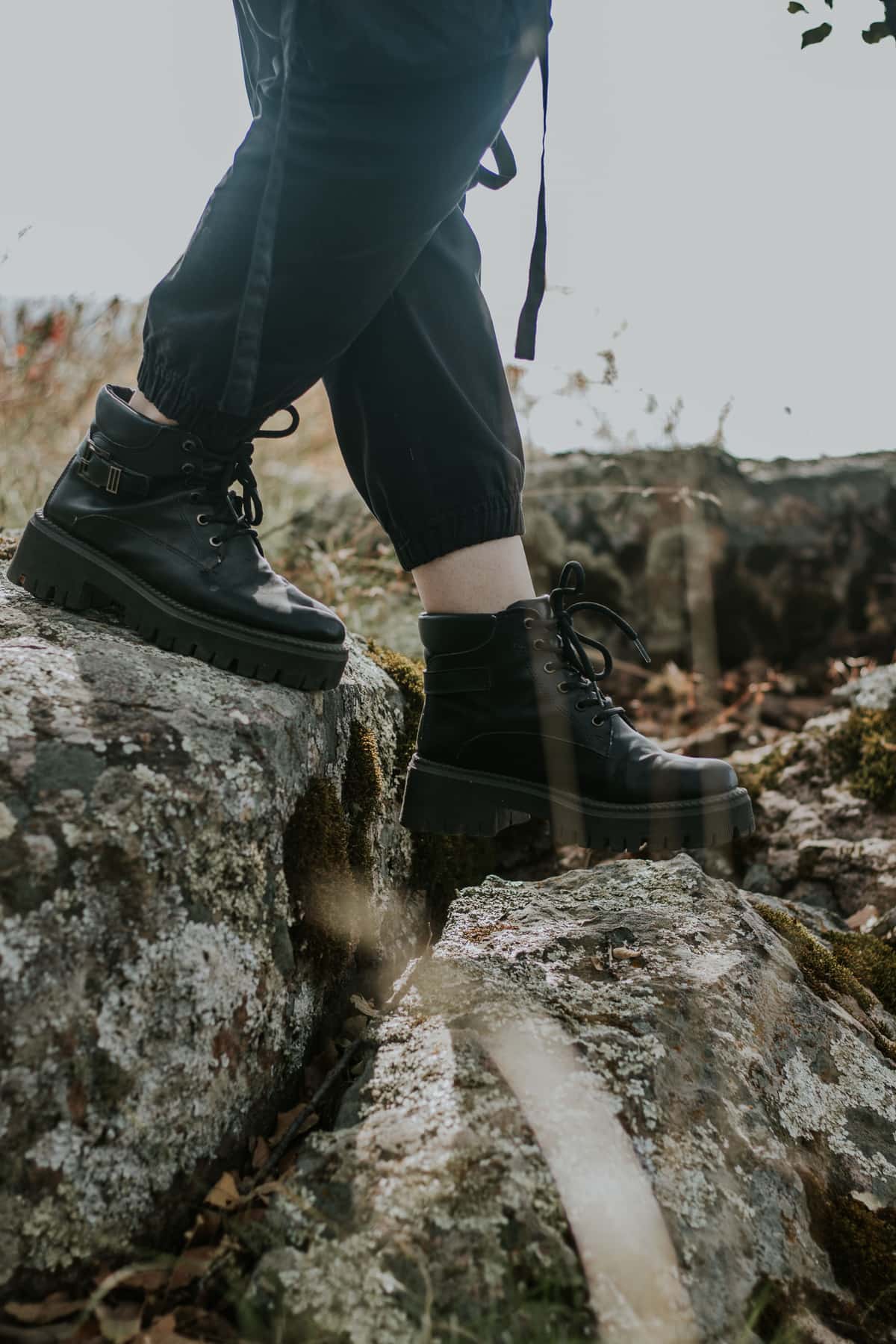
Best hiking boots
Seven hiking boots, ranked and organized by the specific problem each one solves: overall fit, wide feet, ankle support, wet trails, heavy loads and budget.
Top pick: Merrell Moab 3 Mid Waterproof · 7 picks
Check price on Amazon#ad · Price set by Amazon · Affiliate disclosure for the link to Merrell Moab 3 Mid Waterproof
Best picks
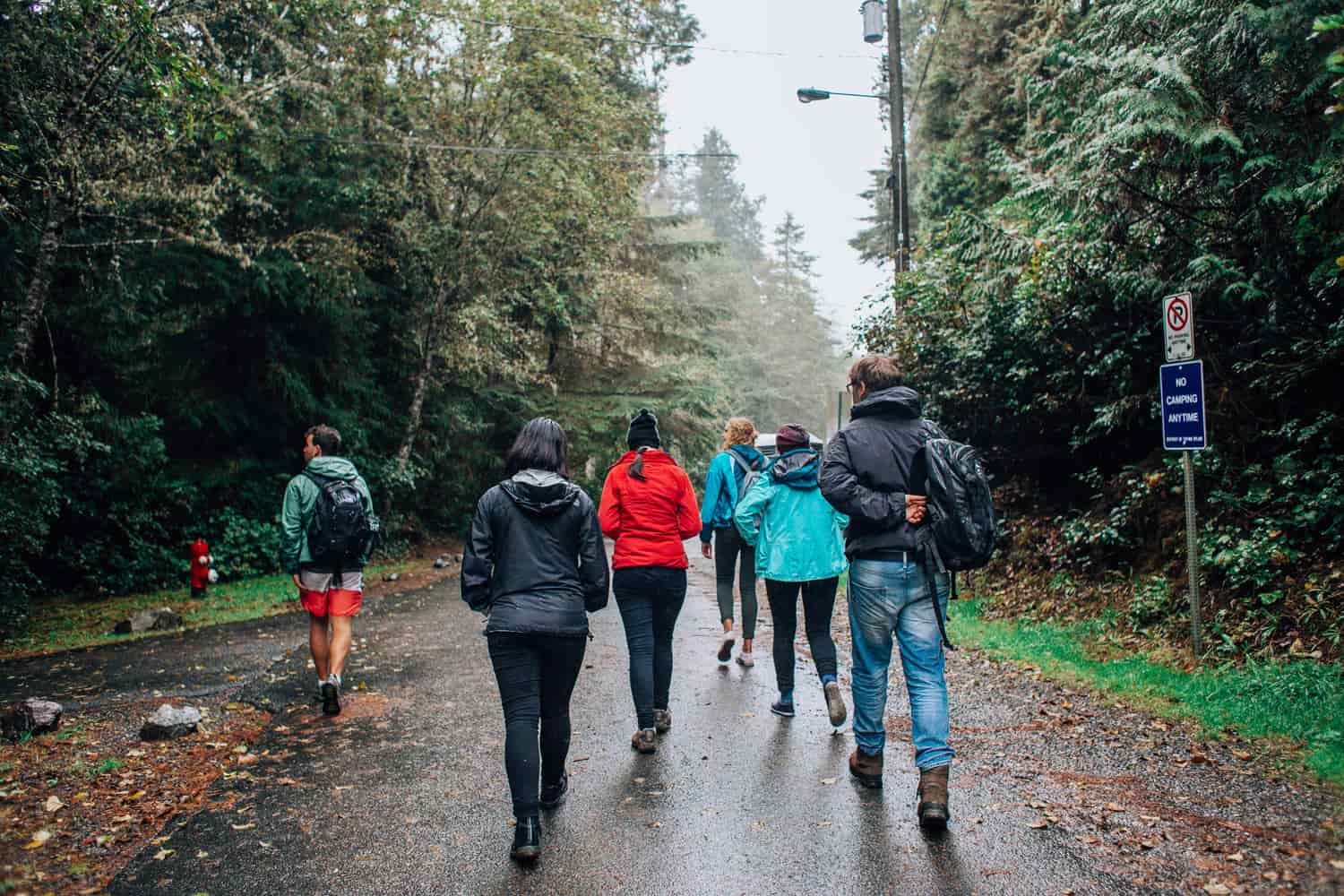
Best hiking boots for men
Six men's hiking boots, ranked and organized by problem: overall pick, wide fit, cushioned ankle support, rolled-ankle history, heavy packs and backpacking loads.
Top pick: Danner Mountain 600 Evo 4.5" GTX · 6 picks
Check price on Amazon#ad · Price set by Amazon · Affiliate disclosure for the link to Danner Mountain 600 Evo 4.5" GTX

Best picks
Best boots for women
Hiking boots built on a genuine women's last, not a resized men's one, ranked by fit, ankle support and published width options.
Top pick: Oboz Bridger Mid Waterproof (B-DRY) · 7 picks
Check price on Amazon#ad · Price set by Amazon · Affiliate disclosure for the link to Oboz Bridger Mid Waterproof (B-DRY)

Best picks
Best hiking shoes
Low-cut hiking shoes ranked by published fit, waterproofing and traction, for hikers who want a boot's grip without the weight.
Top pick: Merrell Moab 3 Waterproof · 7 picks
Check price on Amazon#ad · Price set by Amazon · Affiliate disclosure for the link to Merrell Moab 3 Waterproof

Best picks
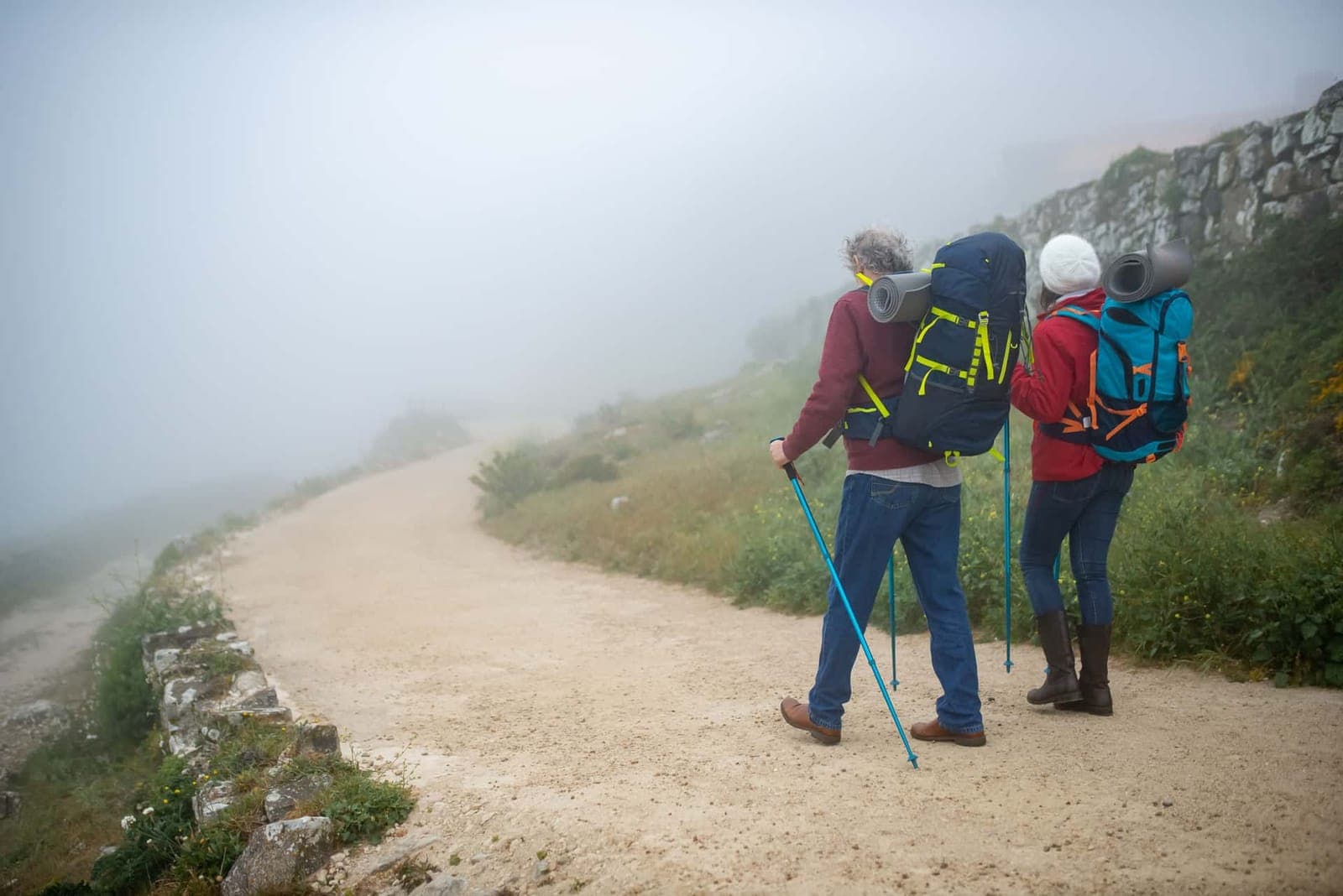
Best trail runners
Trail running shoes ranked for hiking use: rock protection, traction and published wide-width options, not race weight.
Top pick: HOKA Speedgoat 7 · 7 picks
Check price on Amazon#ad · Price set by Amazon · Affiliate disclosure for the link to HOKA Speedgoat 7
Best picks
Best beginner boots
Budget-friendly hiking boots ranked for a first pair: published fit, waterproofing and how little break-in they need.
Top pick: Columbia Newton Ridge Plus Waterproof Amped · 8 picks
Check price on Amazon#ad · Price set by Amazon · Affiliate disclosure for the link to Columbia Newton Ridge Plus Waterproof Amped

Best picks
Best backpacking boots
Backpacking boots that hold up under a loaded pack, ranked by support, fit and durability rather than brand name.
Top pick: Zamberlan 996 Vioz GTX · 7 picks
Check price on Amazon#ad · Price set by Amazon · Affiliate disclosure for the link to Zamberlan 996 Vioz GTX
Best picks
Best trail runners for backpacking
Trail runners built to hold structure and protect your feet under a backpacking load, not just on a light day hike.
Top pick: Topo Athletic Traverse · 7 picks
Check price on Amazon#ad · Price set by Amazon · Affiliate disclosure for the link to Topo Athletic Traverse
Start with the decision, not the boot
Before you compare a single model, decide what category of footwear you actually need: a trail runner, a low hiking shoe, a day-hiking boot, or a stiffer backpacking boot. That one decision, driven by terrain, pack weight, water and your own ankle history, matters more than any brand or spec on the boxes below it. Skip it and you end up comparing boots that were never right for your trips in the first place. We walk through the full decision, including what the research does and doesn't support on ankle sprains, in hiking boots vs. trail runners. It's the one page on this site worth reading before any of the roundups.
How the category actually divides
Once you know roughly what you're after, the picks split cleanly by use. Trail runners and low hiking shoes are the lightest options, built for groomed-to-moderate trails and daypacks; day-hiking boots are the general-purpose middle ground, with a mid cut and moderate stiffness for rockier or wetter ground; and backpacking boots trade weight for a stiffer platform under a loaded pack over multiple days. We keep the head-term roundups organized by the problem each pick solves rather than by brand fame, so best hiking boots leads with overall fit, width and ankle support, while best trail runners for hiking is built around the lighter, faster end of the spectrum. If you want a boot specifically sized for men, start at best hiking boots for men, which covers men's-specific lasts and width ranges rather than a unisex shape sized up or down.
What actually decides price, stiffness and category
Three things drive most of the real differences between models, and none of them is the brand name. Materials are the first: full-grain leather uppers generally outlast mesh-and-synthetic ones and, on some models, can be resoled instead of replaced, at the cost of extra weight and a longer break-in. Construction is the second: a stiffer midsole and shank resist twisting under a loaded pack but feel clunky on flat ground, which is exactly why backpacking boots and day-hiking boots aren't interchangeable even when they look similar on a shelf. Waterproofing is the third: a membrane keeps water out but traps heat and slows drying, so it's worth choosing deliberately rather than defaulting to "waterproof is always better." Two models built on the same platform, one waterproof and one not, can feel like different boots entirely; we compare exactly that kind of pair in Merrell Moab 3 vs. Salomon X Ultra 5, and the same low-cut-vs-trail-runner tradeoff shows up again in Altra Lone Peak vs. HOKA Speedgoat.
The common mistake
The most common mistake here isn't picking the wrong brand, it's picking the wrong end of the right category. Buying the stiffest, heaviest backpacking boot "just in case" for trails you actually hike as light day trips means breaking in a boot that never gets to do its job, and it usually feels worse underfoot than a lighter shoe would have. The opposite mistake shows up just as often: pushing worn-out trail runners with a bald outsole onto loose rock or a real scramble, where a boot's platform and fresh tread would have kept you more stable. Buy for the hikes you actually take most often, and size up in stiffness or support only when a specific trip genuinely calls for it. If you're not sure where your own hikes land, how to choose hiking boots works through the decision in order: fit first, then cut height, then waterproofing, then stiffness.
Head to head
Comparisons
Head to head
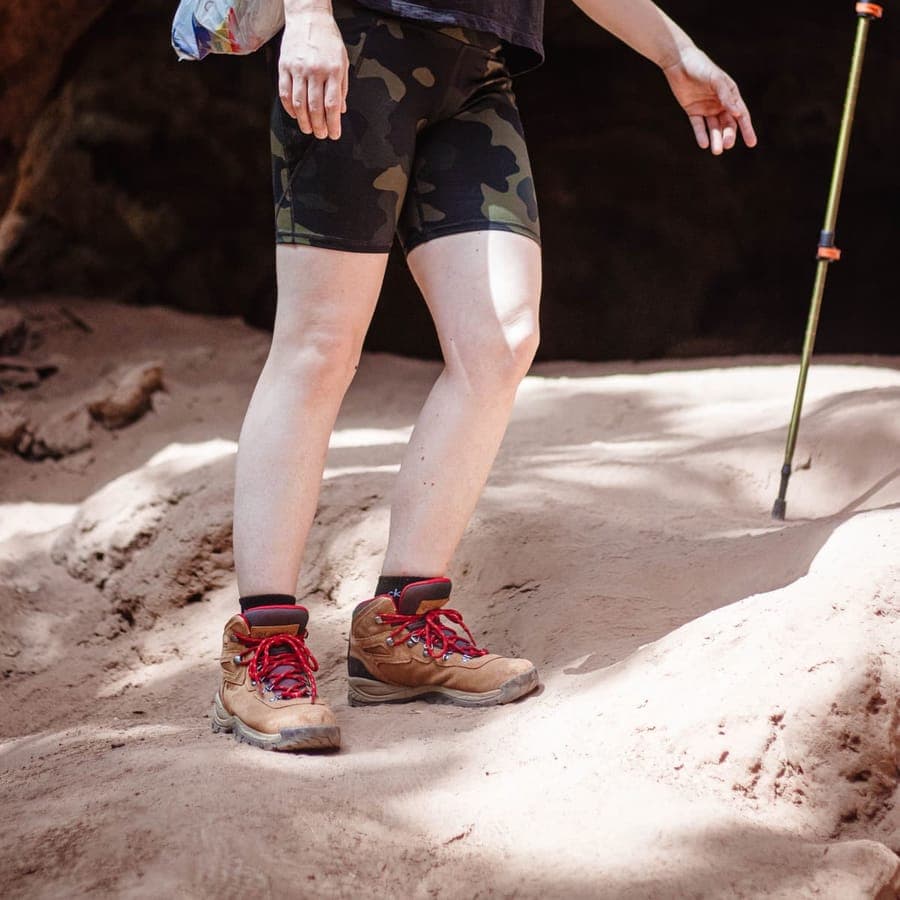
Moab 3 vs X Ultra 5
Two popular waterproof mid boots compared on published widths, weight and support, with a clear pick for wide feet.
Featured: Merrell Moab 3 Mid Waterproof
Check price on Amazon#ad · Price set by Amazon · Affiliate disclosure for the link to Merrell Moab 3 Mid Waterproof
Head to head
Lone Peak vs. Speedgoat
Two ways of fitting wide feet in a trail runner compared: Altra's roomy FootShape last against HOKA's 2E wide width.
Featured: Altra Lone Peak 9+
Check price on Amazon#ad · Price set by Amazon · Affiliate disclosure for the link to Altra Lone Peak 9+
Fix guides
Fix it before you buy
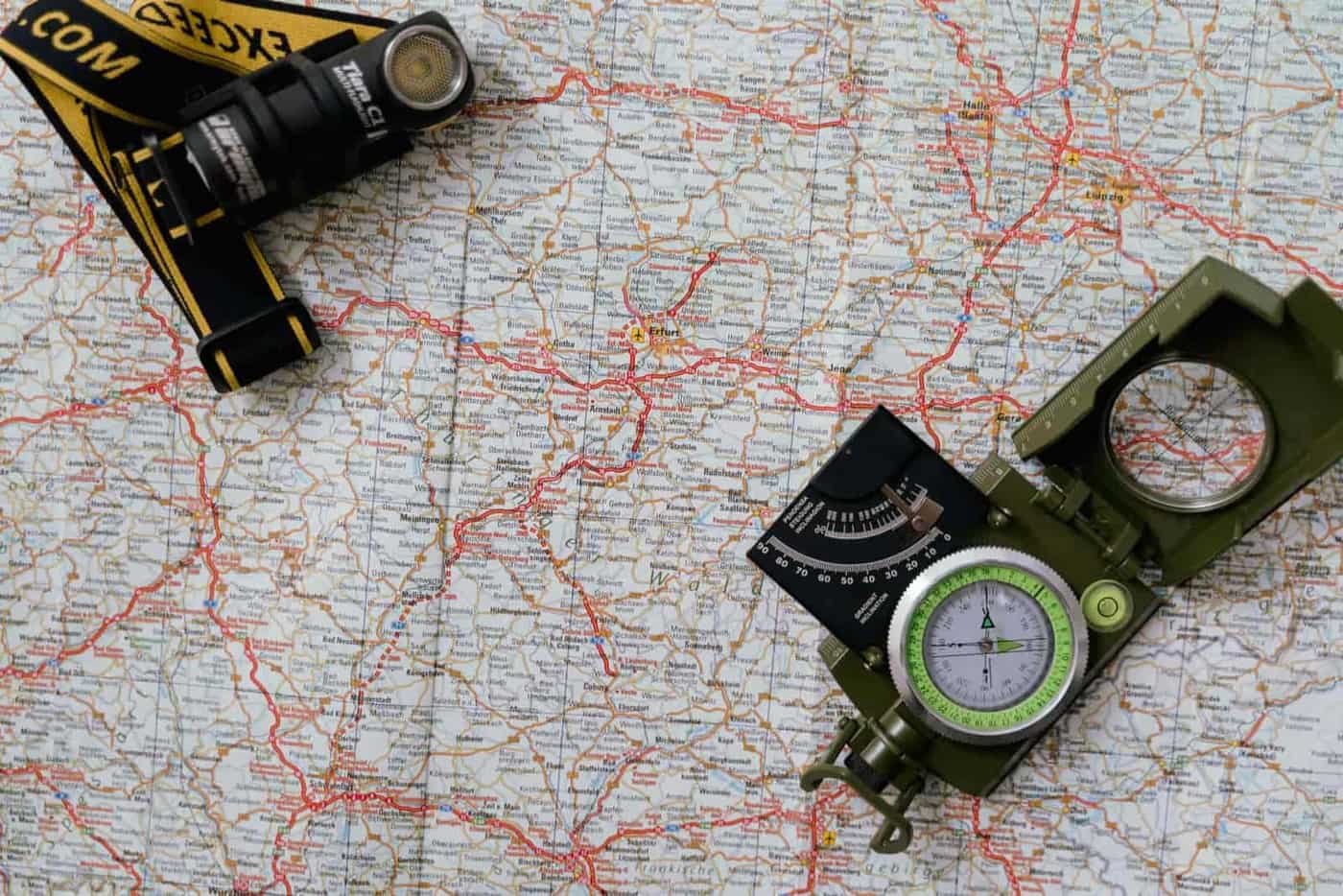
Fix guide
How to choose hiking boots
A decision guide to picking hiking boots: fit and width first, then cut height, waterproofing and stiffness, with three real examples along the way.
Featured: LOWA Camino EVO GTX
Check price on Amazon#ad · Price set by Amazon · Affiliate disclosure for the link to LOWA Camino EVO GTX
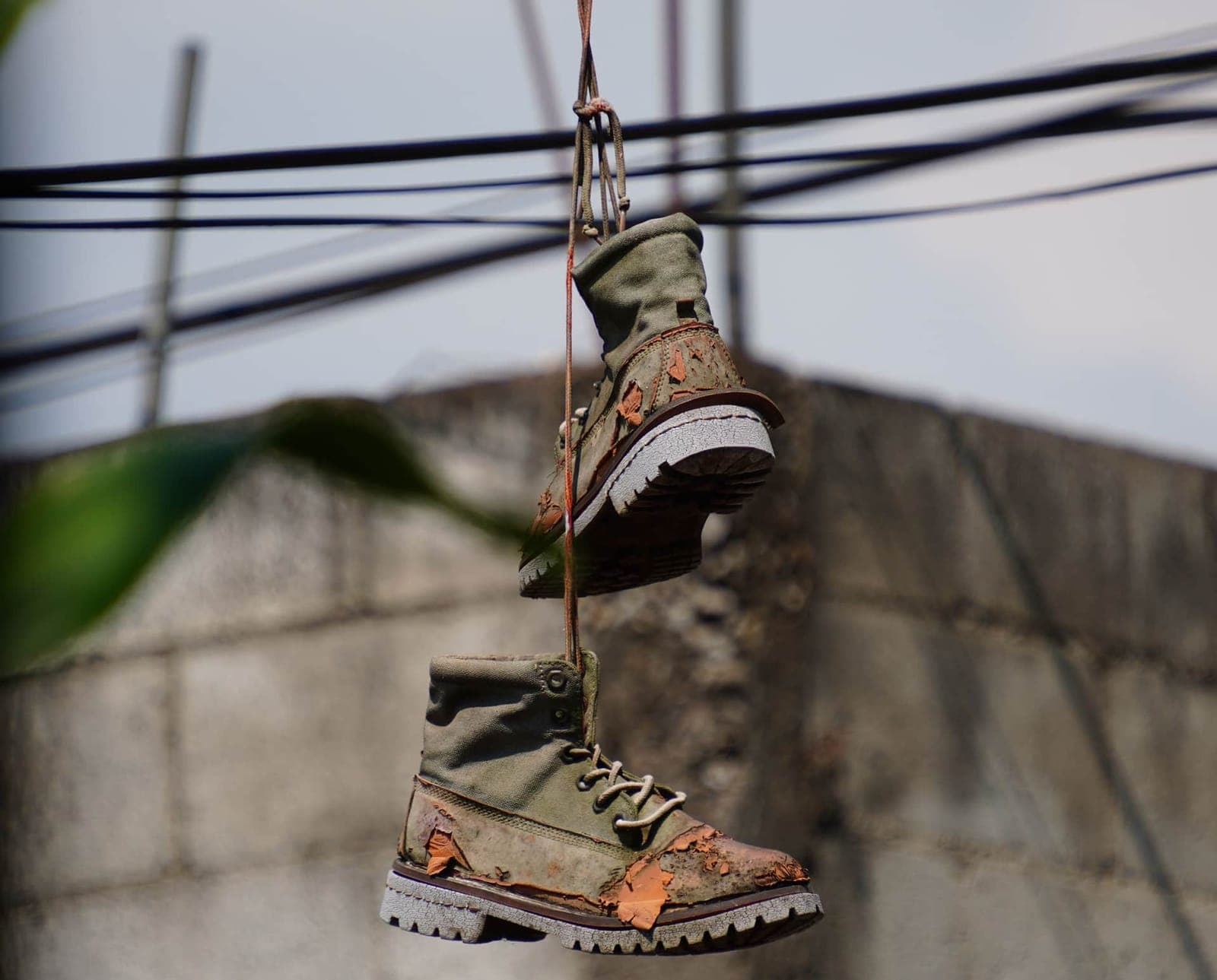
Fix guide
When to replace hiking boots
How to tell a worn-in boot from a worn-out one: the outsole, midsole, upper and fit checks that actually matter, and when to resole instead of replace.
Featured: Zamberlan 996 Vioz GTX
Check price on Amazon#ad · Price set by Amazon · Affiliate disclosure for the link to Zamberlan 996 Vioz GTX
Filed elsewhere, written for you
Also worth reading
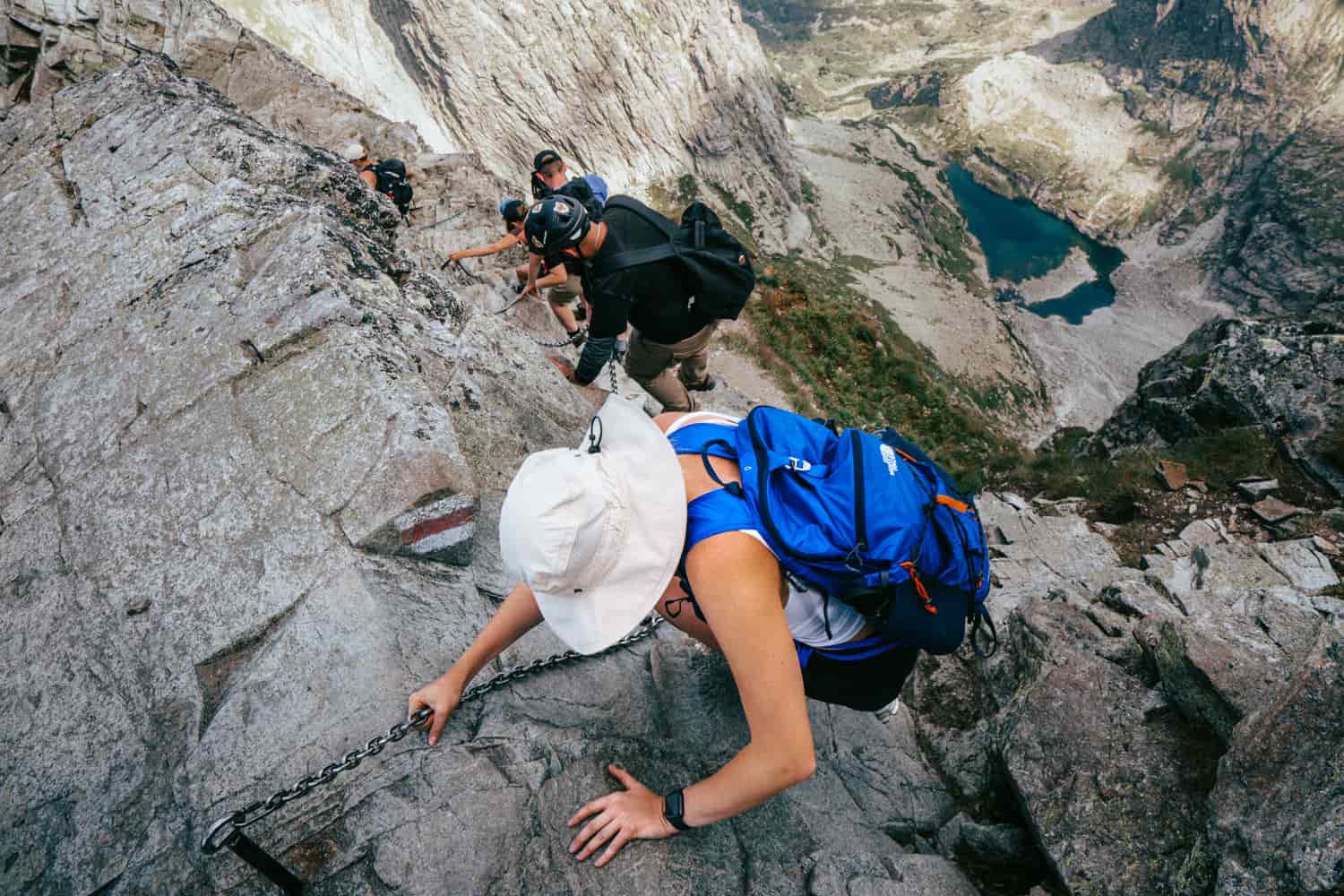
Rolled Ankles & Ankle Support
Do boots prevent ankle sprains?
What the research says about high-cut boots and ankle sprains, what helps more than cuff height, and when a mid or high boot is still worth choosing.
Featured: Salomon Quest 5 GTX
Check price on Amazon#ad · Price set by Amazon · Affiliate disclosure for the link to Salomon Quest 5 GTX
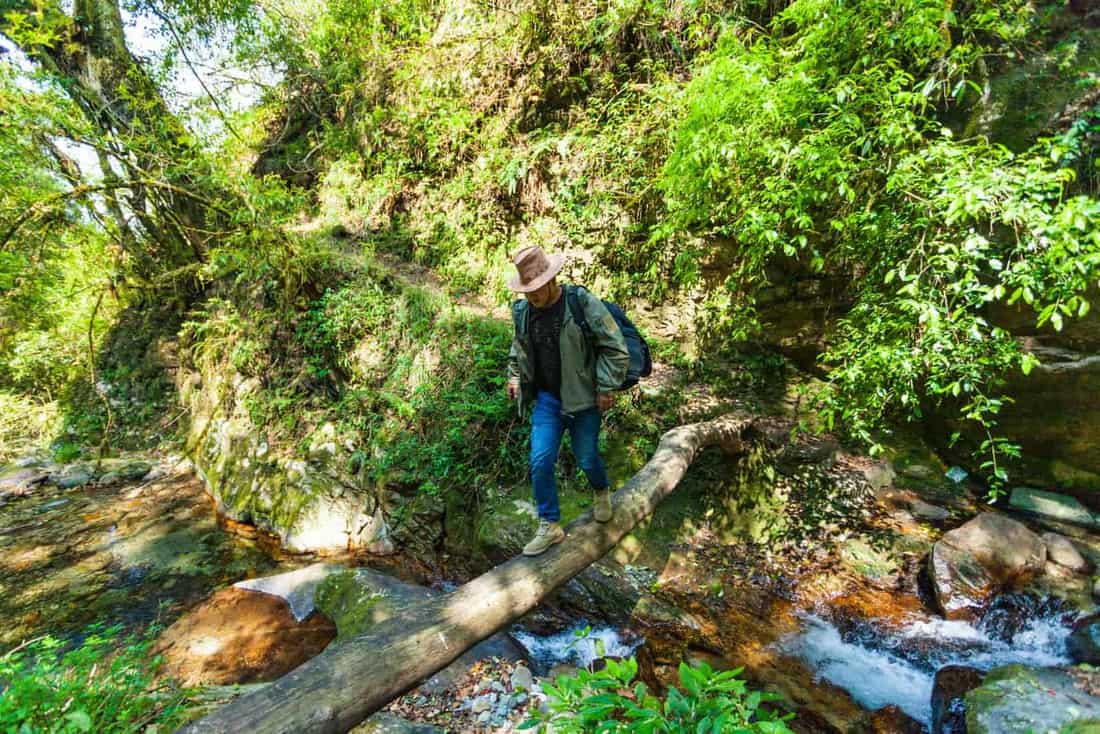
Wet Feet & Winter
Waterproof vs non-waterproof
Waterproof membranes keep rain and mud out but trap heat and slow drying. How to choose by conditions, and the boots built for each side of the decision.
Featured: Merrell Moab 3
Check price on Amazon#ad · Price set by Amazon · Affiliate disclosure for the link to Merrell Moab 3
Wide Feet & Foot Shape
How boots should fit
The fit checks that actually matter, whether boots should be a size bigger, and what to do when a boot fits everywhere except one spot.
Featured: KEEN Targhee IV Mid Waterproof
Check price on Amazon#ad · Price set by Amazon · Affiliate disclosure for the link to KEEN Targhee IV Mid Waterproof
FAQ
Questions people ask
Should I buy hiking boots or trail runners?
Do I need different boots for summer and winter hiking?
What's the difference between a day-hiking boot and a backpacking boot?
How much should a hiking boot weigh?
Do I need a new pair of hiking boots, or can mine be fixed?
Ask us
Got a problem we haven't covered?
Tell us what hurts and where. Reader questions decide what we research next. Email mike@blackironathletics.com or use the contact form.