01Blisters & Hot Spots
Blisters, hot spots and black toenails: find the cause, then the fix
Blisters aren't bad luck. They're friction plus moisture plus time, and they show up in the same few places. Find yours, fix the cause, then pick the sock or tape that keeps it fixed.
9 guides and picks in this section · How we choose
We earn a commission if you buy through our links, at no extra cost to you. It never decides the ranking: the method is published. Affiliate disclosure
Start here
Read this first
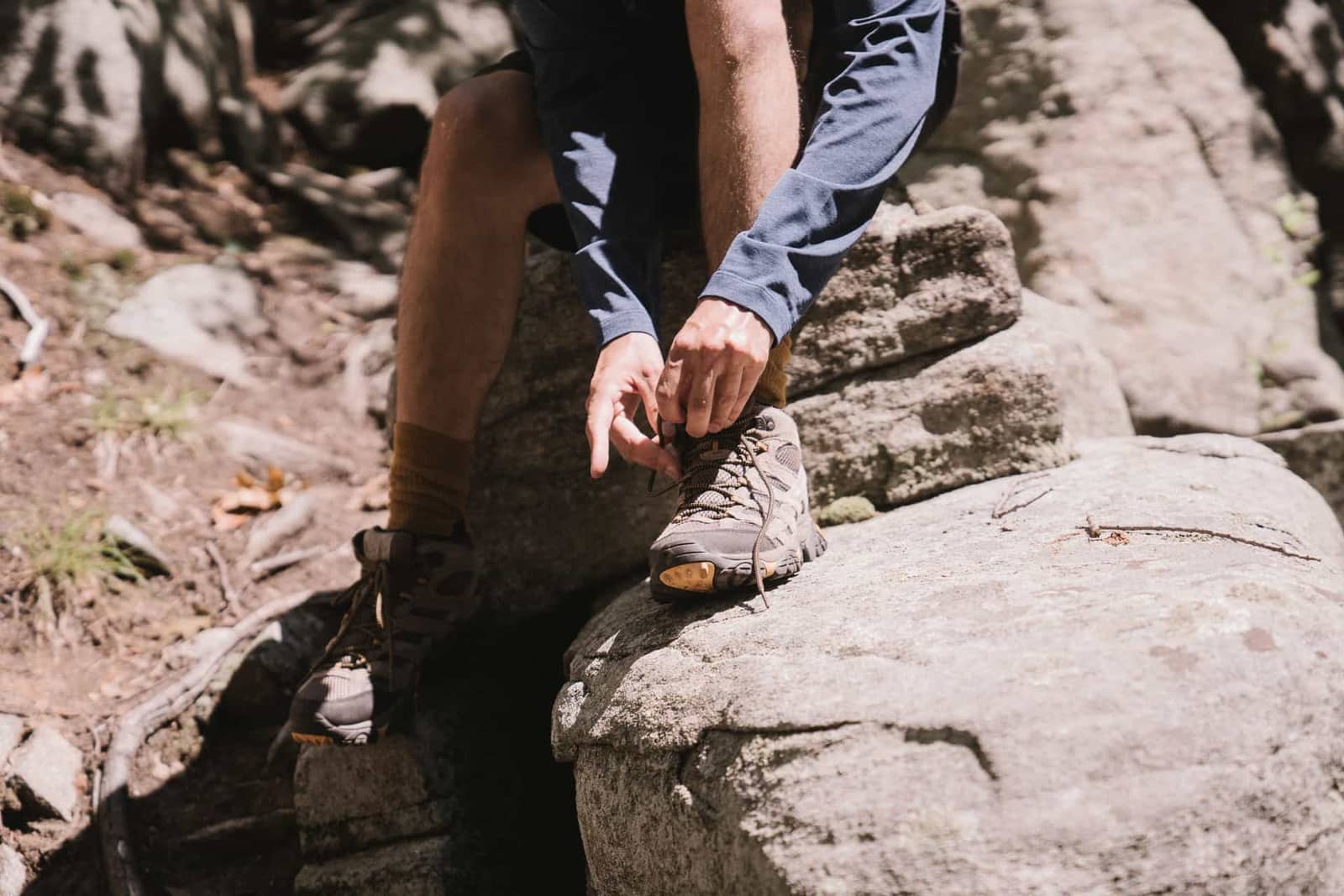
How to Prevent Blisters When Hiking
The full fix order for blister-prone feet: fit and lacing first, then socks and liners, then taping a known hot spot, before you buy new footwear.
Read the fix guideFeatured pick: Wrightsock Escape Crew
#ad · Price set by Amazon · Affiliate disclosure for the link to Wrightsock Escape Crew
Best picks
Ranked picks for this problem
Best picks
Best hiking socks
Hiking socks compared on published cushioning, materials and fit for blister-prone feet, from a double-layer guarantee sock to a full-cushion merino crew.
Top pick: Wrightsock Escape Crew · 6 picks
Check price on Amazon#ad · Price set by Amazon · Affiliate disclosure for the link to Wrightsock Escape Crew
Best picks
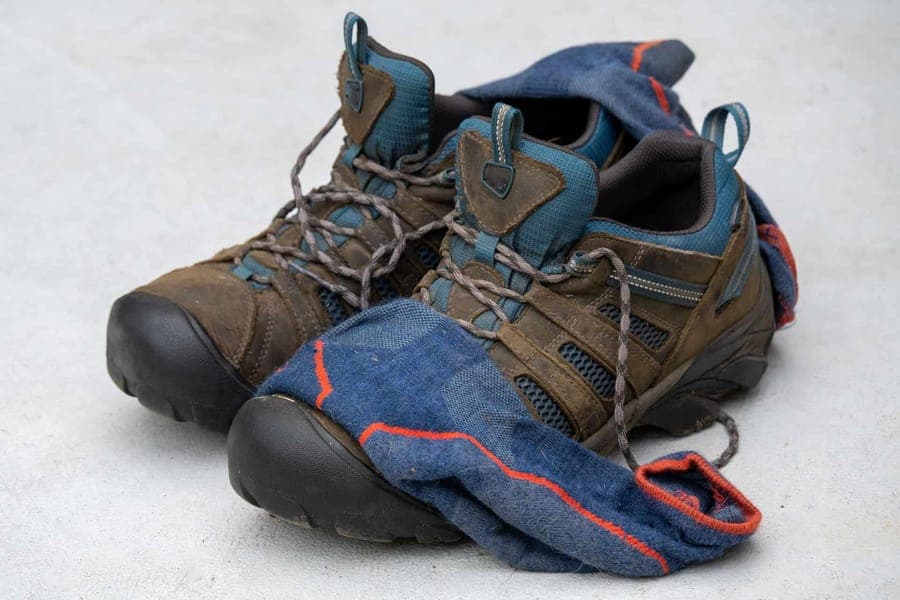
Best toe and liner socks
Five-toe socks and thin liners compared on published materials, cushioning and sizing, for blisters that form between the toes.
Top pick: Injinji Outdoor Midweight Crew Wool · 4 picks
Check price on Amazon#ad · Price set by Amazon · Affiliate disclosure for the link to Injinji Outdoor Midweight Crew Wool
What to fix first
Before you buy anything, check the free fixes. Most repeat blisters trace back to lacing or fit, not to a missing product. A heel that lifts and drops with every step, laces tight enough to cut circulation but loose enough to let the foot slide, or a boot that's slightly the wrong width for your foot will out-blister any sock you put inside it. Start with how to prevent blisters hiking, which walks through the full fix order, and hiking boot lacing techniques if you haven't tried a heel-lock lace pattern yet. Both cost nothing and take a few minutes at the trailhead.
How the fixes divide
Once fit and lacing are handled, the rest of this hub splits into three practical categories. Socks and liners come first, because they're cheap, you already wear one, and swapping cotton for a merino or synthetic blend is the single biggest change most hikers can make. We cover full-cushion crew socks in best hiking socks for blisters and toe-specific socks and liners, for blisters between the toes specifically, in best toe and liner socks. Tape and padding come next, for a spot you already know is a repeat offender: see Leukotape vs moleskin for how a rigid strapping tape compares to soft cut-to-size padding. Break-in and footwear questions come last, covering how long a new boot should take to stop rubbing, how much heel slip is normal, and why toes take a beating on steep downhills.
What decides which sock or tape you actually need
The deciding factor is location, not brand. A blister on the back of the heel is almost always a lacing or fit problem first and a sock problem second. A blister between the toes is a skin-on-skin friction problem that a five-toe sock addresses more directly than a thicker crew sock does. A blister on the ball of the foot often points to a worn insole or a lot of steep downhill mileage rather than the sock at all. Cushion level matters too: more padding underfoot can mean a snugger fit through the toe box, so a thicker sock isn't automatically the safer choice. None of this is a spending decision. It's a diagnosis, and the right fix is usually the cheapest one that matches the actual cause.
The common mistake
The most common mistake here is buying a fix before diagnosing the cause: a new pair of socks for a heel that's actually slipping because of loose lacing, or a thicker insole for a toe box that's actually too narrow. The second most common mistake is ignoring a hot spot because stopping to fix it feels like it will cost you trail time. It doesn't. A spot you tape or re-lace around in under a minute is a non-event; the same spot ignored for another hour is usually an open blister by the time you make camp. If a blister does form, keep the skin over it intact where you can and cover it rather than draining it yourself. That specific guidance, and when it's worth seeing a clinician instead, is covered in how to prevent blisters hiking.
Head to head
Comparisons

Head to head
Darn Tough vs Smartwool
Darn Tough's Hiker Micro Crew and Smartwool's Hike Full Cushion Crew compared on cushion, fit system, height and materials.
Featured: Darn Tough Hiker Micro Crew Midweight Cushion
Check price on Amazon#ad · Price set by Amazon · Affiliate disclosure for the link to Darn Tough Hiker Micro Crew Midweight Cushion
Head to head
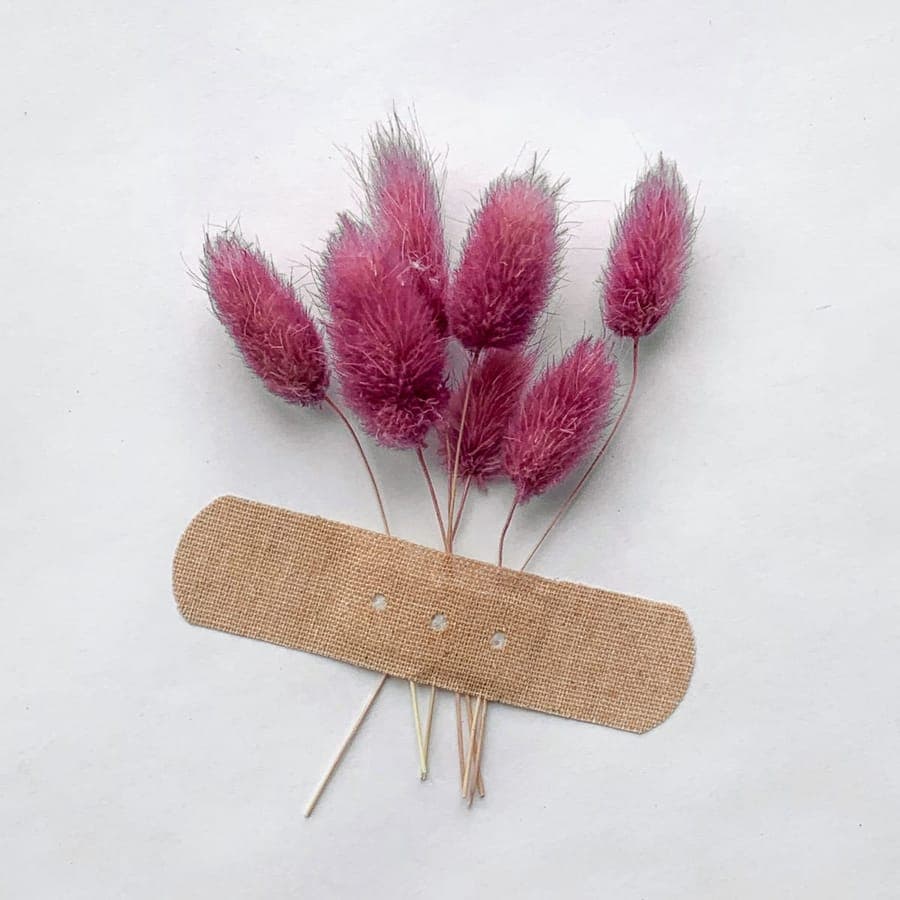
Leukotape vs moleskin
Leukotape P sports tape and Dr. Scholl's Moleskin Plus compared on published materials, adhesion and intended use for hot spots and blisters.
Featured: Leukotape P Sports Tape
Check price on Amazon#ad · Price set by Amazon · Affiliate disclosure for the link to Leukotape P Sports Tape
Fix guides
Fix it before you buy
Fix guide
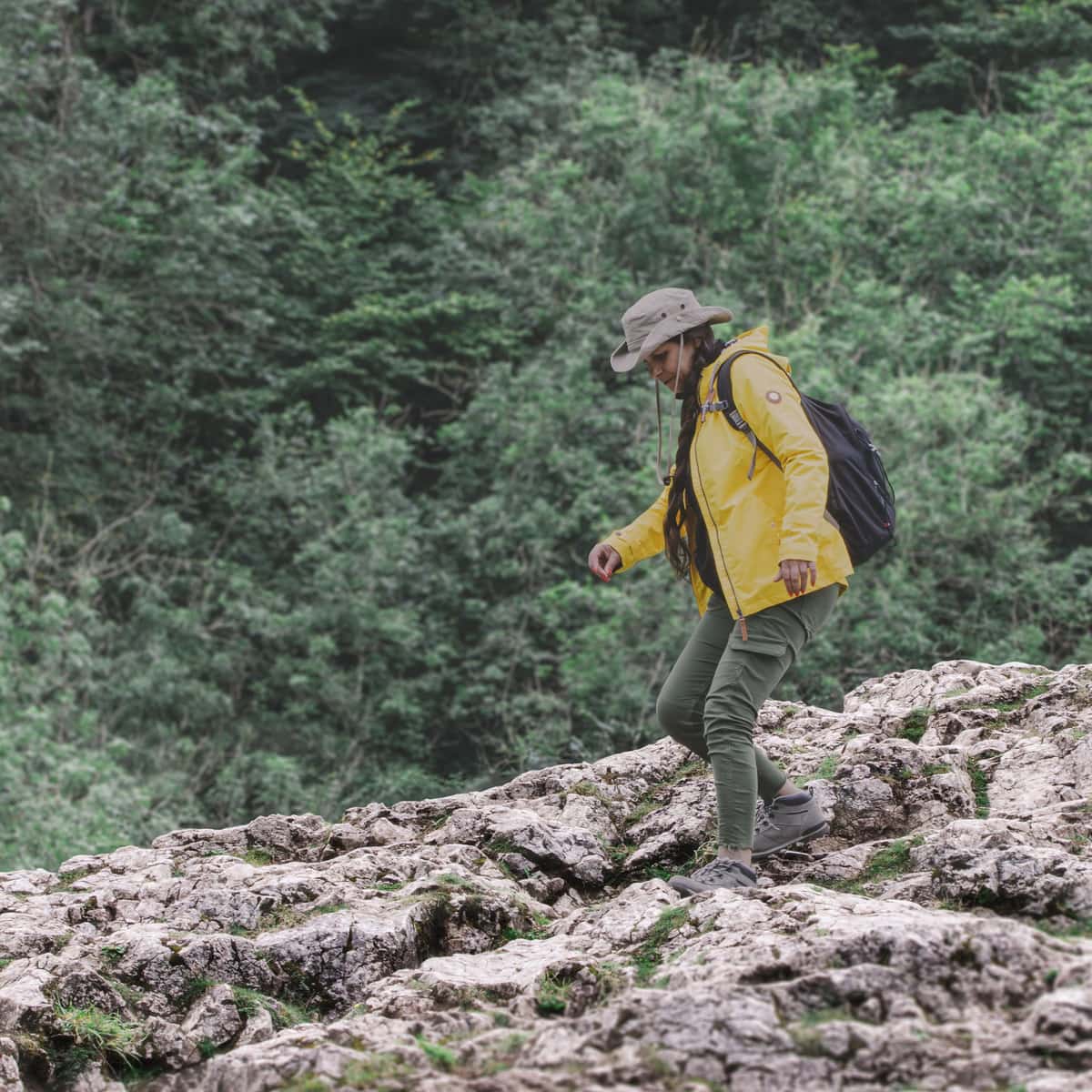
Fix heel slip in boots
Why your heel lifts inside your hiking boots, the lacing fix to try first, and the socks and insoles that help when lacing isn't enough.
Featured: Darn Tough Hiker Micro Crew Midweight Cushion
Check price on Amazon#ad · Price set by Amazon · Affiliate disclosure for the link to Darn Tough Hiker Micro Crew Midweight Cushion
Fix guide
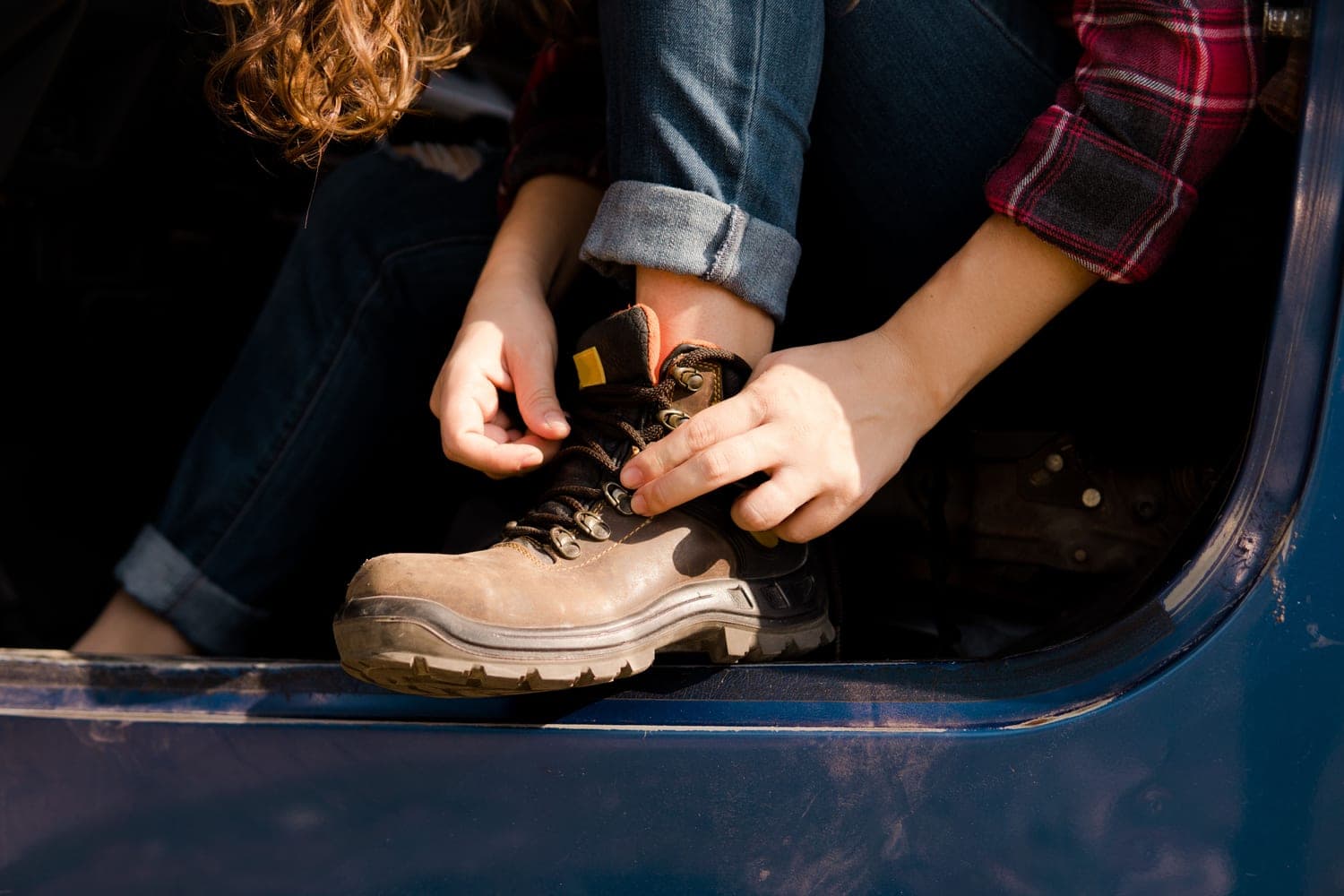
Boot lacing techniques
A lacing pattern for heel slip, wide feet, downhill toe pain and top-of-foot pressure, plus two boots with lacing hardware built for it.
Featured: Columbia Newton Ridge Plus II Waterproof
Check price on Amazon#ad · Price set by Amazon · Affiliate disclosure for the link to Columbia Newton Ridge Plus II Waterproof
Fix guide
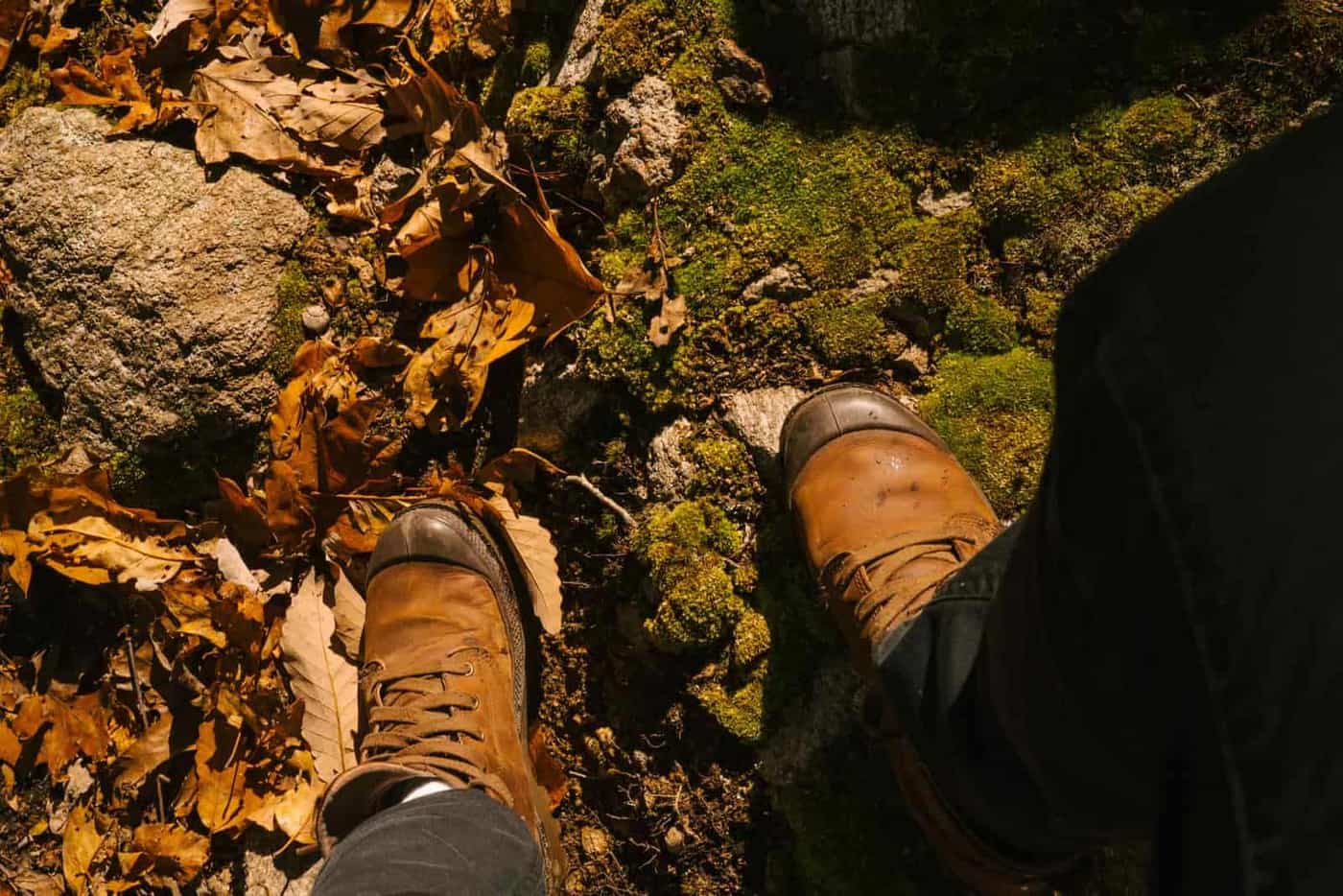
Break in hiking boots
A short walk-in schedule for new hiking boots, what to watch for along the way, and the socks and boot materials that need less of it.
Featured: adidas Terrex Free Hiker 3 Mid GORE-TEX
Check price on Amazon#ad · Price set by Amazon · Affiliate disclosure for the link to adidas Terrex Free Hiker 3 Mid GORE-TEX
Fix guide
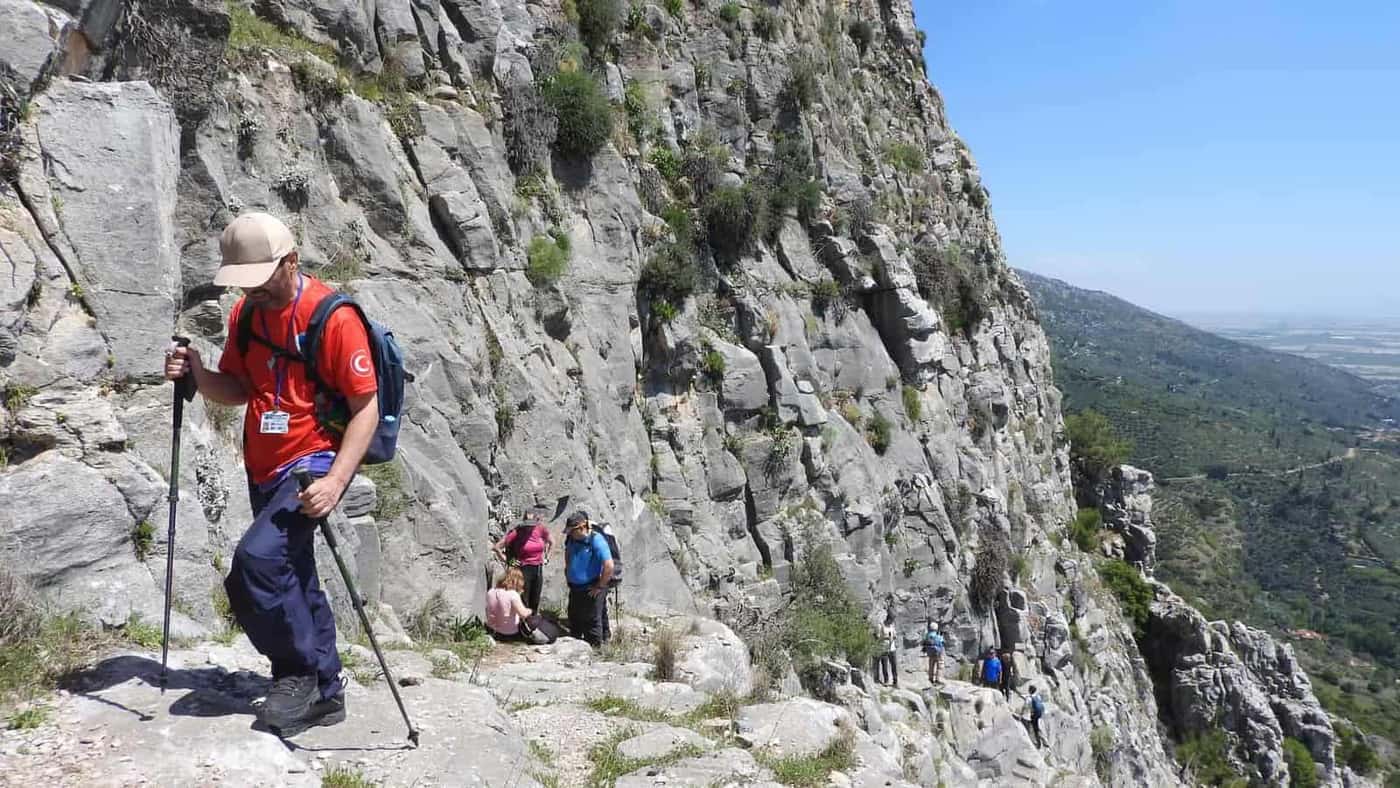
Toes hurt hiking downhill
Why your toes jam into the front of your boots on descents, the free lacing and trimming fixes, and the roomier footwear that helps.
Featured: Altra Lone Peak 9+
Check price on Amazon#ad · Price set by Amazon · Affiliate disclosure for the link to Altra Lone Peak 9+
Filed elsewhere, written for you
Also worth reading
Wide Feet & Foot Shape
How boots should fit
The fit checks that actually matter, whether boots should be a size bigger, and what to do when a boot fits everywhere except one spot.
Featured: KEEN Targhee IV Mid Waterproof
Check price on Amazon#ad · Price set by Amazon · Affiliate disclosure for the link to KEEN Targhee IV Mid Waterproof
Wet Feet & Winter
How to keep feet dry hiking
The free fixes to try first, then the gaiters, socks and drying routine that keep feet dry on wet or sweaty hikes.
Featured: Outdoor Research Crocodile Classic Gaiter
Check price on Amazon#ad · Price set by Amazon · Affiliate disclosure for the link to Outdoor Research Crocodile Classic Gaiter
Gifts for Hikers
Hiking gifts under $50
Manufacturer list price under $50 on every pick: socks, blister care, an insole, a gaiter and traction, all sized in ranges.
Top pick: Wrightsock Escape Crew · 8 picks
Check price on Amazon#ad · Price set by Amazon · Affiliate disclosure for the link to Wrightsock Escape Crew
FAQ
Questions people ask
Is it normal to get blisters when hiking?
What's the fastest way to stop a hot spot on trail?
Do I need special socks to prevent blisters, or will any sock do?
Should I fix my lacing or buy new socks first?
Can new hiking boots cause more blisters than broken-in ones?
Ask us
Got a problem we haven't covered?
Tell us what hurts and where. Reader questions decide what we research next. Email mike@blackironathletics.com or use the contact form.