05Wet Feet & Winter
Wet feet end hikes. Here's how to stay dry, or dry out fast
A waterproof membrane keeps rain and puddles out, but it also slows drying and adds heat. Choose by your conditions, not by habit, then add gaiters, the right socks and winter traction where you need them.
9 guides and picks in this section · How we choose
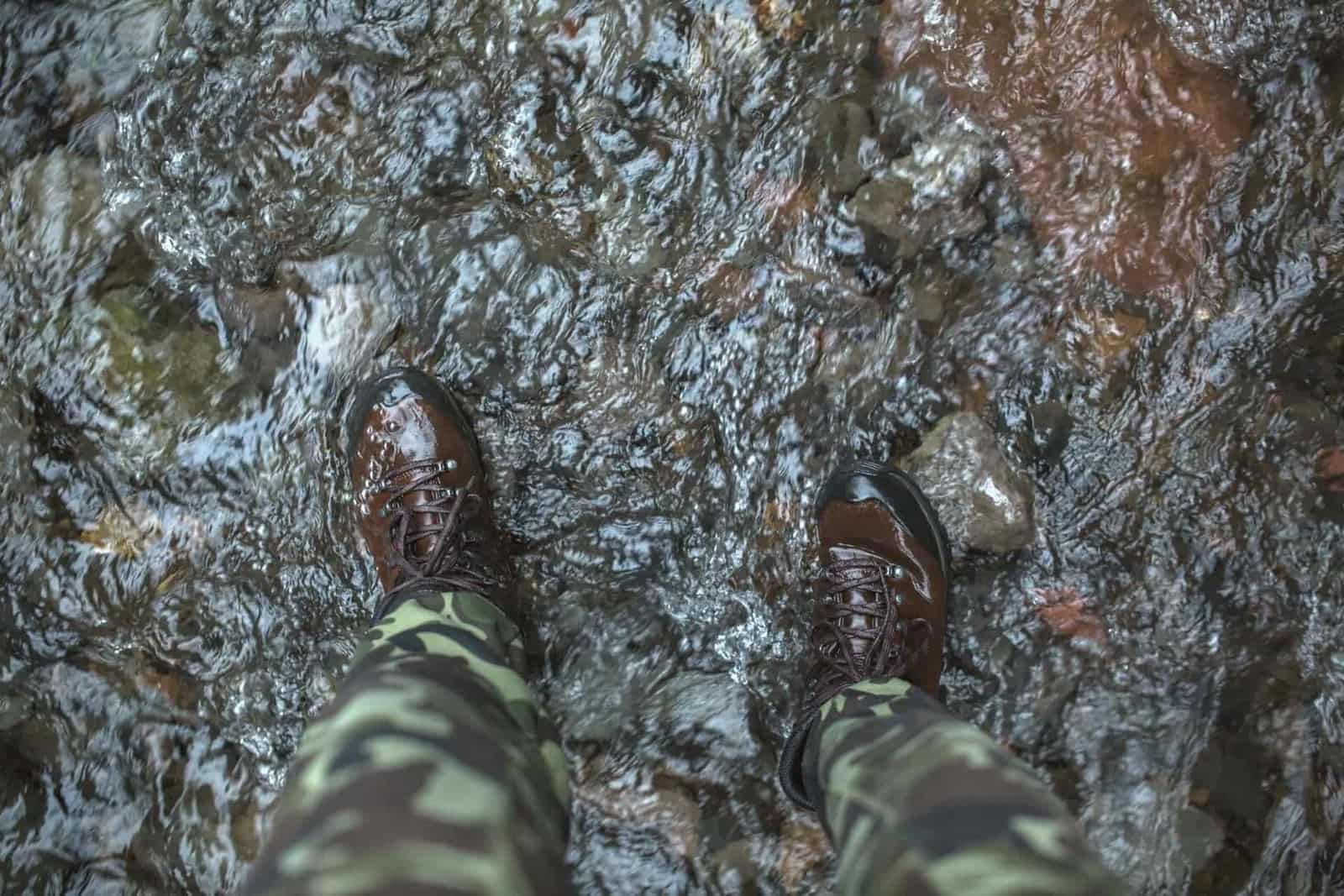
We earn a commission if you buy through our links, at no extra cost to you. It never decides the ranking: the method is published. Affiliate disclosure
Start here
Read this first
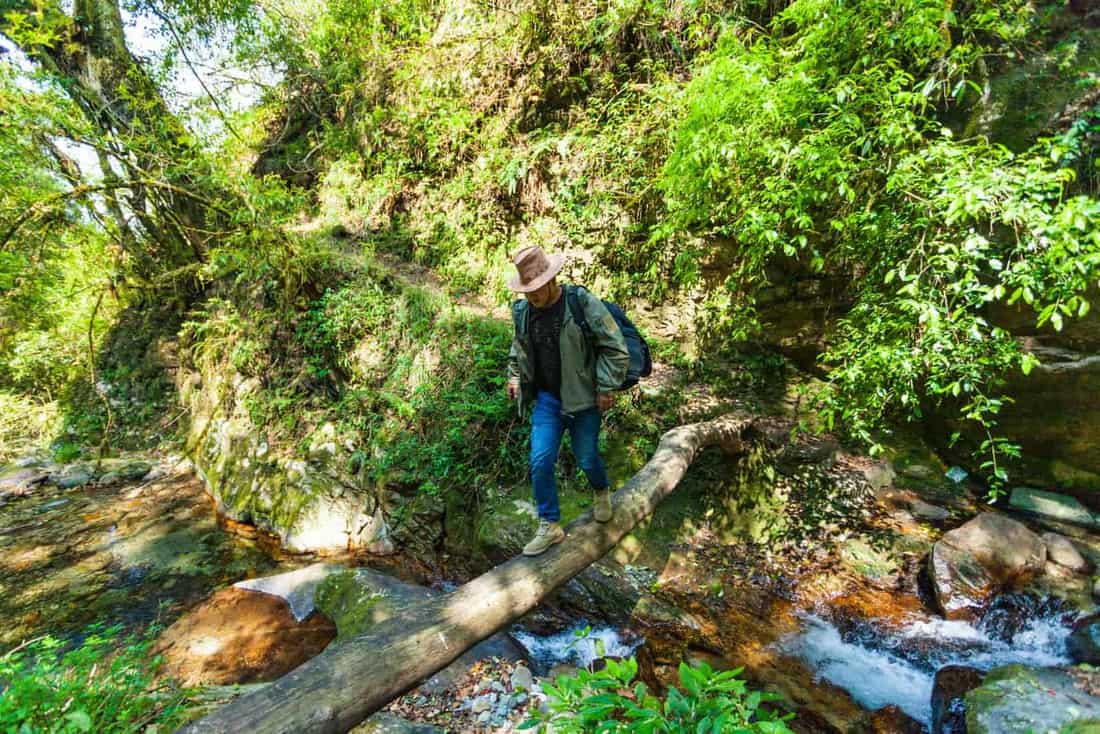
Waterproof vs. Non-Waterproof Hiking Boots: How to Actually Choose
Waterproof membranes keep rain and mud out but trap heat and slow drying. How to choose by conditions, and the boots built for each side of the decision.
Read the fix guideFeatured pick: Merrell Moab 3
#ad · Price set by Amazon · Affiliate disclosure for the link to Merrell Moab 3
Best picks
Ranked picks for this problem
Best picks
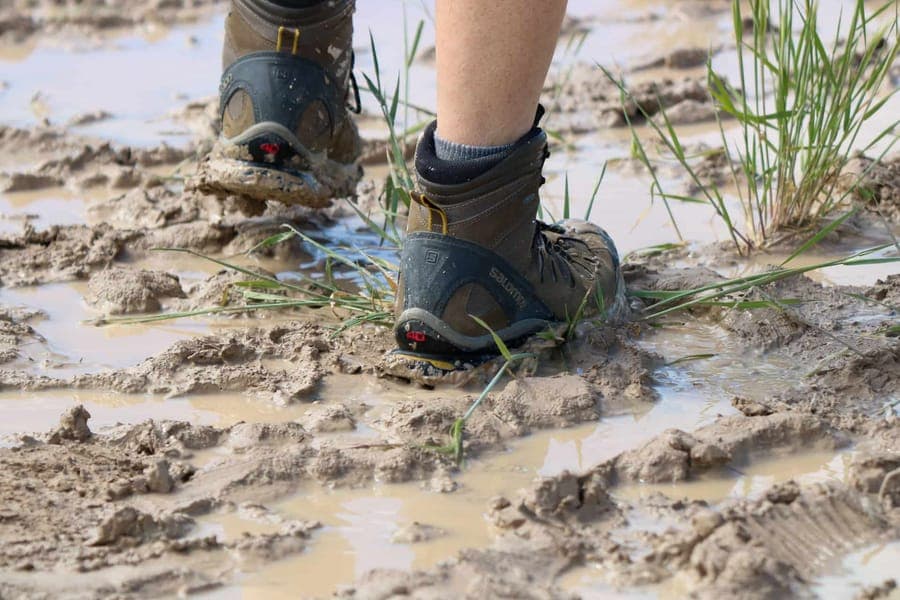
Best waterproof hiking boots
Waterproof mid-cut hiking boots ranked by membrane, width range and durability for wet, muddy or cold trails.
Top pick: Merrell Moab 3 Mid Waterproof · 7 picks
Check price on Amazon#ad · Price set by Amazon · Affiliate disclosure for the link to Merrell Moab 3 Mid Waterproof
Best picks
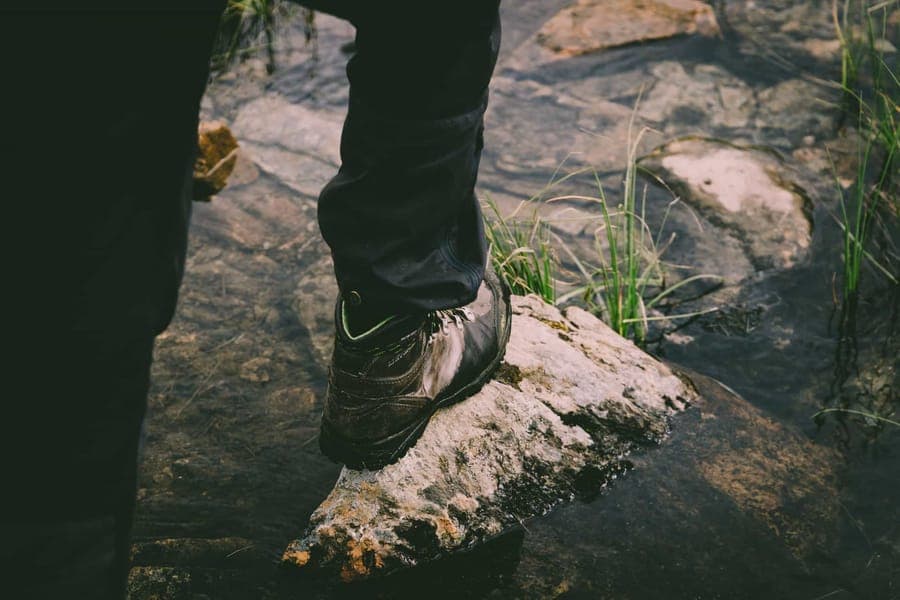
Best waterproof hiking shoes
Waterproof low-cut hiking shoes ranked by membrane, width range and weight for wet day hikes without a boot's bulk.
Top pick: Merrell Moab Speed 2 GORE-TEX · 7 picks
Check price on Amazon#ad · Price set by Amazon · Affiliate disclosure for the link to Merrell Moab Speed 2 GORE-TEX
Best picks
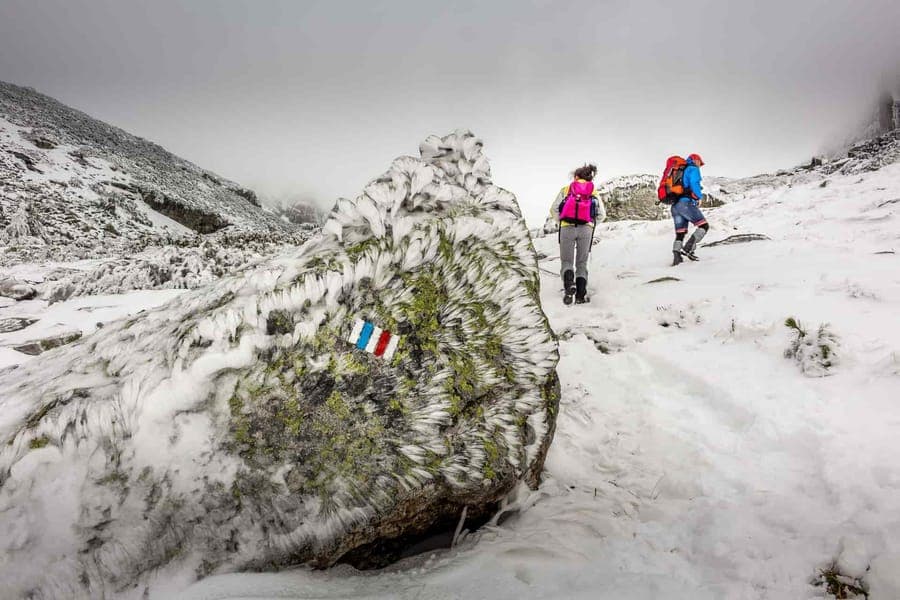
Best hiking gaiters
Six gaiters compared by height, waterproofing and weight, from full GORE-TEX snow gaiters to 28-gram trail-runner sleeves.
Top pick: Outdoor Research Crocodile Classic Gaiter · 6 picks
Check price on Amazon#ad · Price set by Amazon · Affiliate disclosure for the link to Outdoor Research Crocodile Classic Gaiter
Best picks
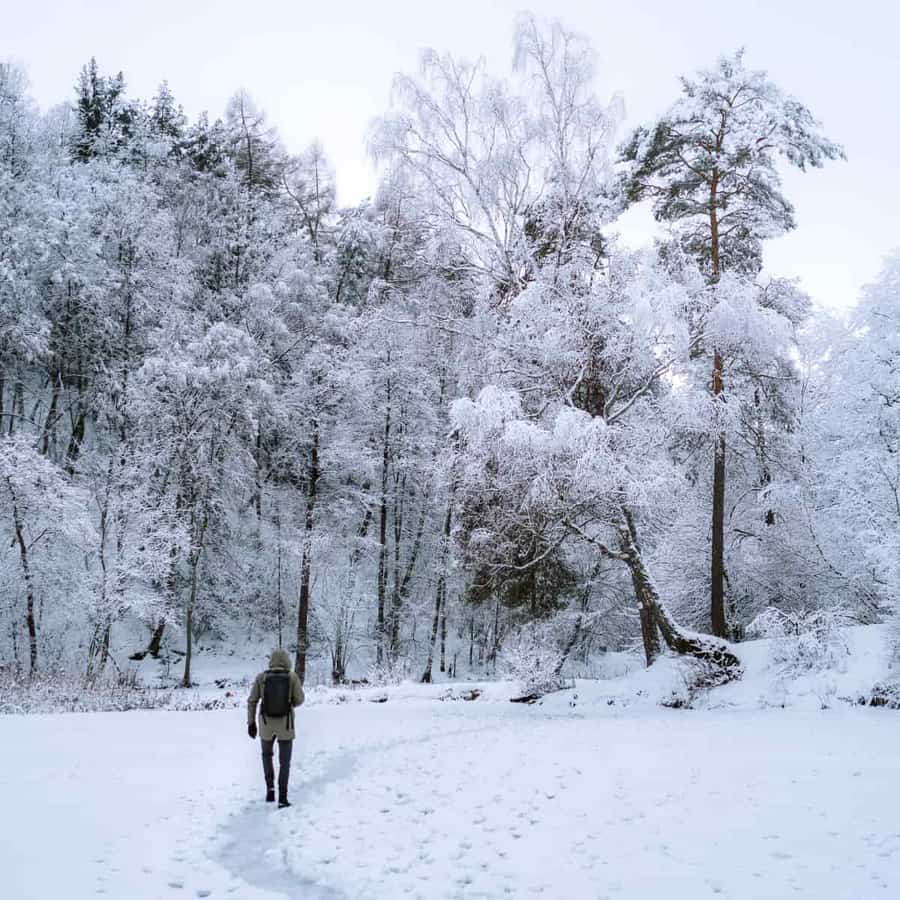
Best winter hiking boots
Eight insulated winter hiking boots ranked by published insulation, waterproofing, outsole traction and warmth-to-weight trade-offs.
Top pick: Oboz Bridger 8" Insulated B-DRY · 8 picks
Check price on Amazon#ad · Price set by Amazon · Affiliate disclosure for the link to Oboz Bridger 8" Insulated B-DRY
Fix the free things before you buy a waterproof boot
Wet feet aren't always a footwear problem. Before you spend anything, change into dry socks at breaks on a long or rainy hike, tuck pant cuffs or gaiters over your boots instead of into them, and swap cotton socks for a wool or synthetic blend that wicks moisture instead of holding it against your skin. A lot of "my boots aren't waterproof enough" complaints are actually a sock problem, or water getting in over the collar rather than through the upper. Start with how to keep feet dry hiking and work through the free fixes before you assume you need new footwear.
How the wet-feet category actually divides
Once footwear is genuinely the issue, the fix depends on which problem you have. Rain, mud and puddles are a membrane problem: a waterproof boot or shoe blocks liquid water while still letting some sweat vapor escape, the same construction whether it's GORE-TEX or a brand's own in-house version. See waterproof vs. non-waterproof hiking boots for how that trade-off actually plays out, then the best waterproof hiking boots or the best waterproof hiking shoes once you know which cut you want. Water getting in from above rather than through the upper is a gaiter problem, not a boot problem, and cold is a separate, third problem that needs an insulation layer on top of waterproofing, which is why winter boots are their own category rather than just "waterproof boots, but warmer." If you're trying to decide between a genuine snow boot and an insulated hiking boot, or want to see the exact difference a membrane makes on the same model, compare the Merrell Moab 3 waterproof vs. non-waterproof.
What actually decides which one you need
Your typical conditions decide this, not habit and not whichever pair you already own. Cold, wet, muddy or snowy trails favor a waterproof, insulated boot: it keeps water out and helps hold in warmth, which matters because damp, cold feet chill faster than dry ones. Hot, dry trails favor the opposite: a non-waterproof boot or shoe breathes better and dries almost instantly if it does get wet, where a membrane would just trap sweat with no rain to justify it. Frequent creek or river crossings deep enough to go over the collar are also usually better in a non-waterproof shoe or trail runner, since a membrane holds water in once it gets past the top rather than letting it drain and dry. Cost and durability follow a similar logic: a fully waterproof, insulated winter boot with a rebuildable leather upper is a heavier investment built to last several seasons of hard winter use, where a lightweight mesh trail shoe is a cheaper, more disposable choice for three-season, mostly-dry hiking. Neither is the "better" boot in general; each is built for a different set of conditions.
The common mistake: matching the boot, not the conditions
The most common mistake in this category is buying by season label instead of by what you'll actually do in the boot. Wearing a heavy, 200-gram-insulated winter boot on a mild, dry fall hike leaves you overheating and sweating into a boot that then can't dry out easily. Wearing a warm-weather, breathable mesh shoe on an icy, packed winter trail leaves you cold, wet and without traction, since a hiking outsole alone loses grip on ice no matter how good the boot otherwise is. The fix in both directions is the same: figure out your actual conditions first, then pick the membrane, insulation and traction gear for those conditions, rather than reaching for whatever "hiking boot" or "winter boot" is already in the closet.
Head to head
Comparisons
Head to head
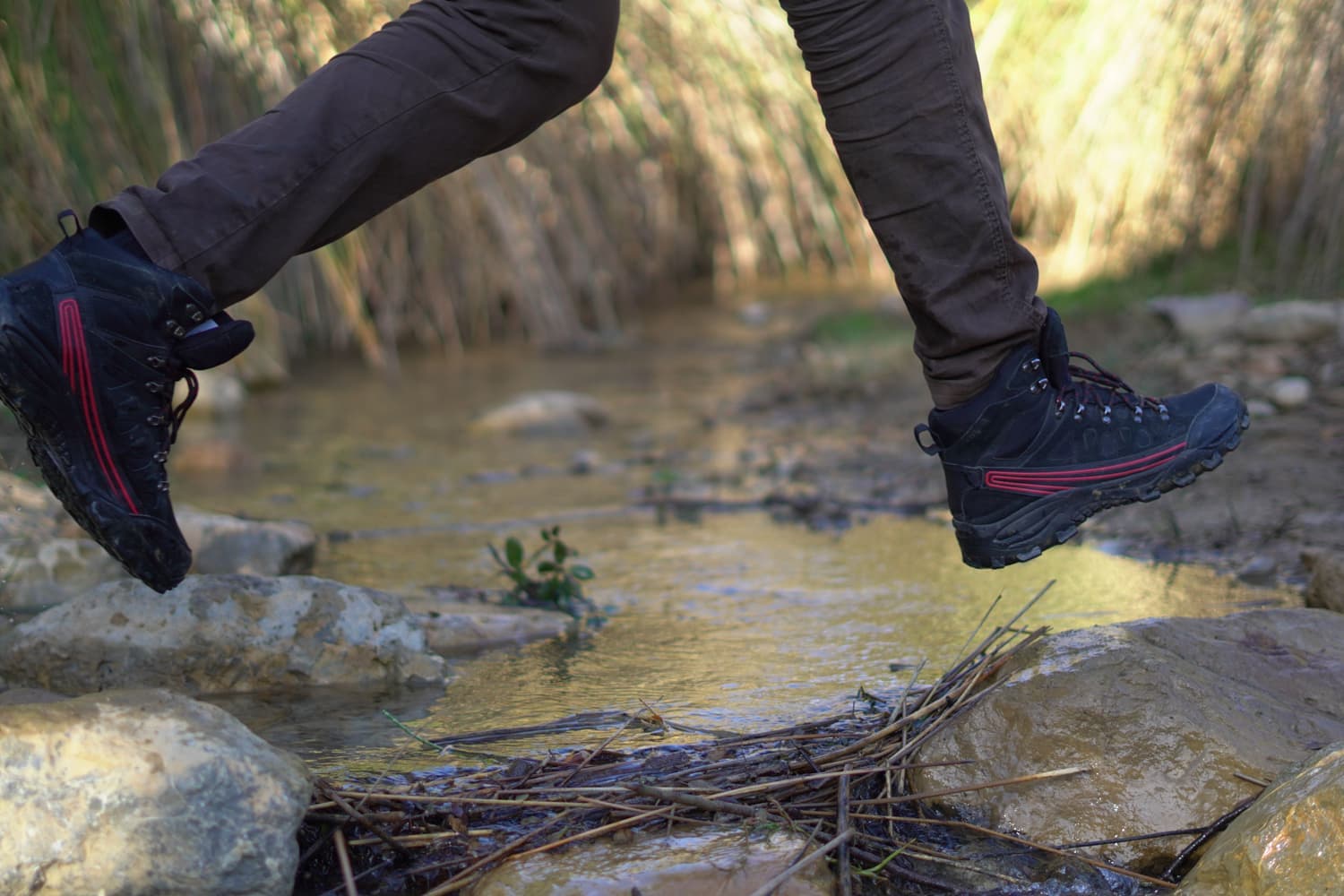
Moab 3 vs Moab 3 Waterproof
The Merrell Moab 3 and Moab 3 Waterproof compared spec by spec: membrane, weight, widths and when each one is the better fix for wet feet.
Featured: Merrell Moab 3
Check price on Amazon#ad · Price set by Amazon · Affiliate disclosure for the link to Merrell Moab 3
Head to head
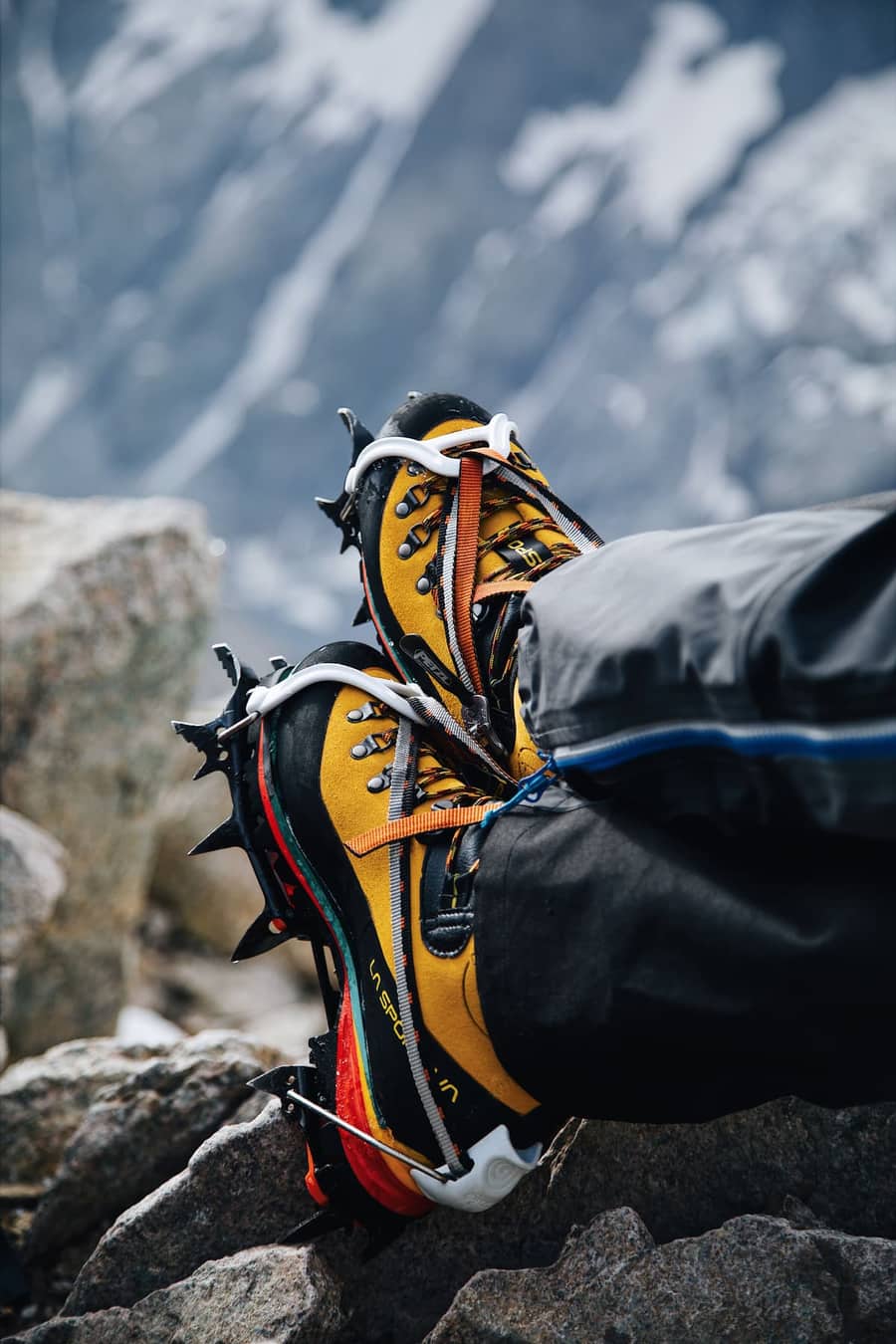
Microspikes vs Yaktrax
Kahtoola MICROspikes and Yaktrax Diamond Grip compared: spikes vs. beads, weight, sizing and which icy conditions each is actually built for.
Featured: Kahtoola MICROspikes
Check price on Amazon#ad · Price set by Amazon · Affiliate disclosure for the link to Kahtoola MICROspikes
Fix guides
Fix it before you buy
Fix guide
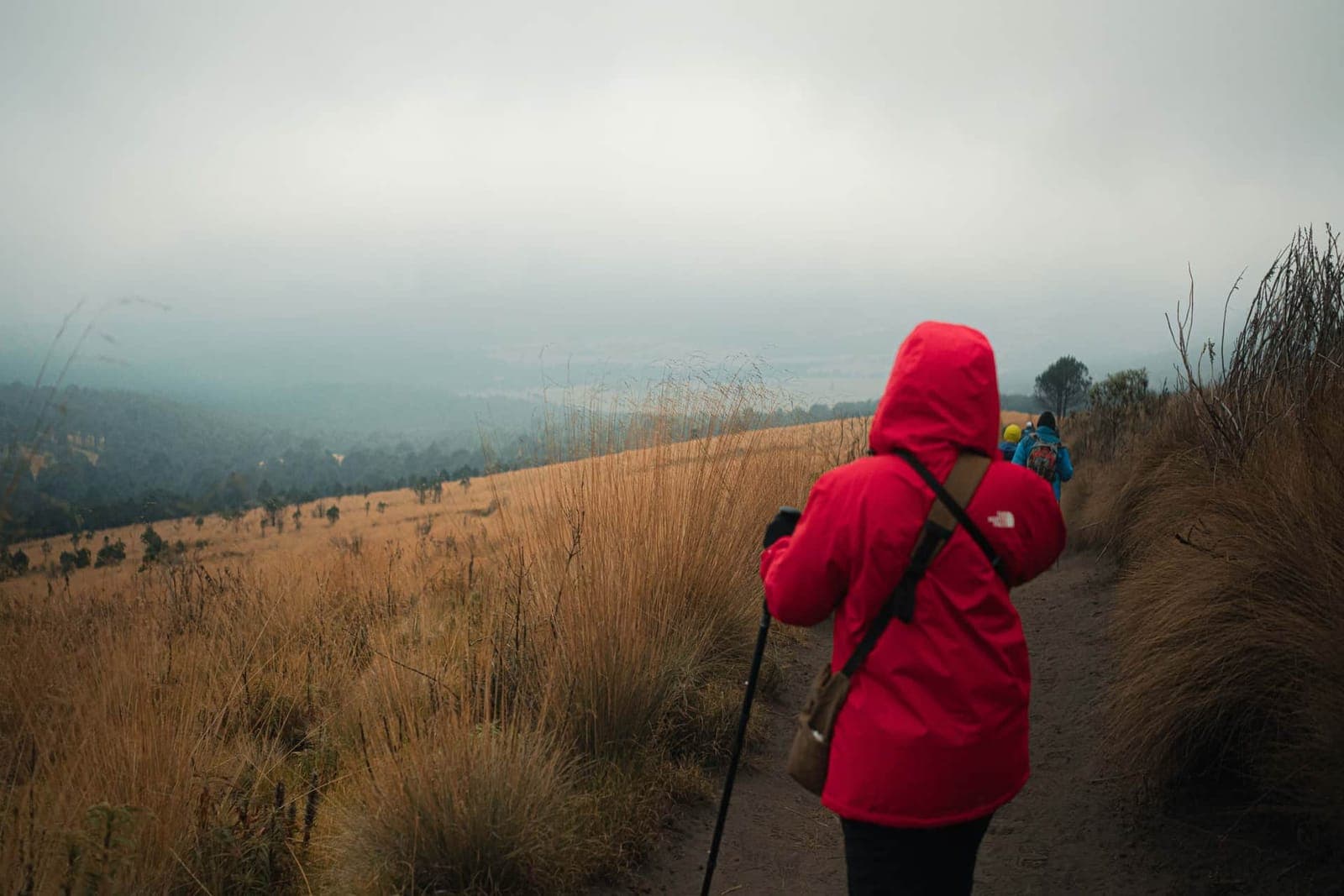
How to keep feet dry hiking
The free fixes to try first, then the gaiters, socks and drying routine that keep feet dry on wet or sweaty hikes.
Featured: Outdoor Research Crocodile Classic Gaiter
Check price on Amazon#ad · Price set by Amazon · Affiliate disclosure for the link to Outdoor Research Crocodile Classic Gaiter
Fix guide
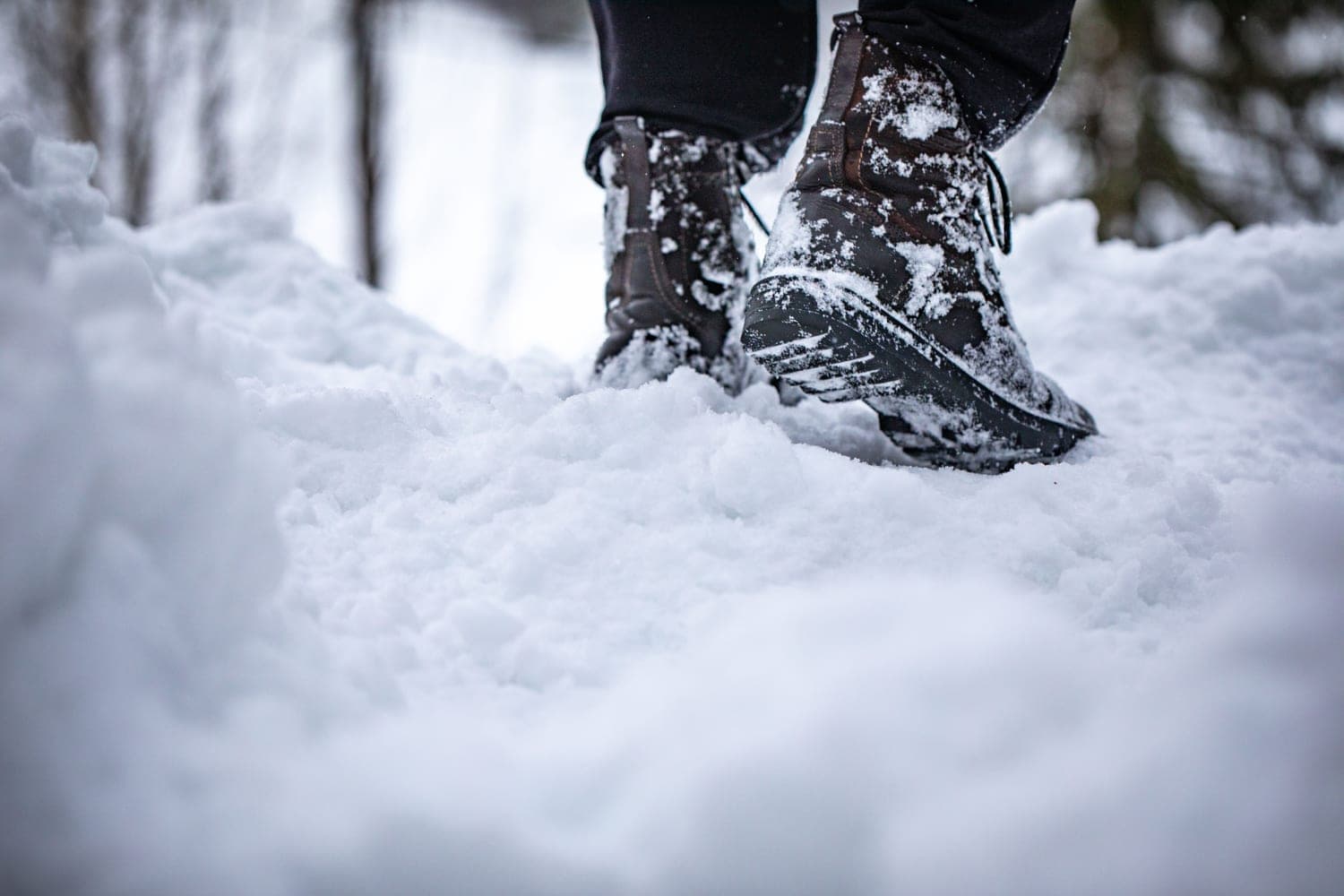
Hiking boots vs. snow boots
How true snow boots and insulated winter hiking boots differ, when each wins, and the winter hiking boots built for trail miles.
Featured: KEEN Revel IV Mid Polar
Check price on Amazon#ad · Price set by Amazon · Affiliate disclosure for the link to KEEN Revel IV Mid Polar
Filed elsewhere, written for you
Also worth reading
Blisters & Hot Spots
How to prevent blisters
The full fix order for blister-prone feet: fit and lacing first, then socks and liners, then taping a known hot spot, before you buy new footwear.
Featured: Wrightsock Escape Crew
Check price on Amazon#ad · Price set by Amazon · Affiliate disclosure for the link to Wrightsock Escape Crew

Blisters & Hot Spots
Darn Tough vs Smartwool
Darn Tough's Hiker Micro Crew and Smartwool's Hike Full Cushion Crew compared on cushion, fit system, height and materials.
Featured: Darn Tough Hiker Micro Crew Midweight Cushion
Check price on Amazon#ad · Price set by Amazon · Affiliate disclosure for the link to Darn Tough Hiker Micro Crew Midweight Cushion
Boots vs Trail Runners
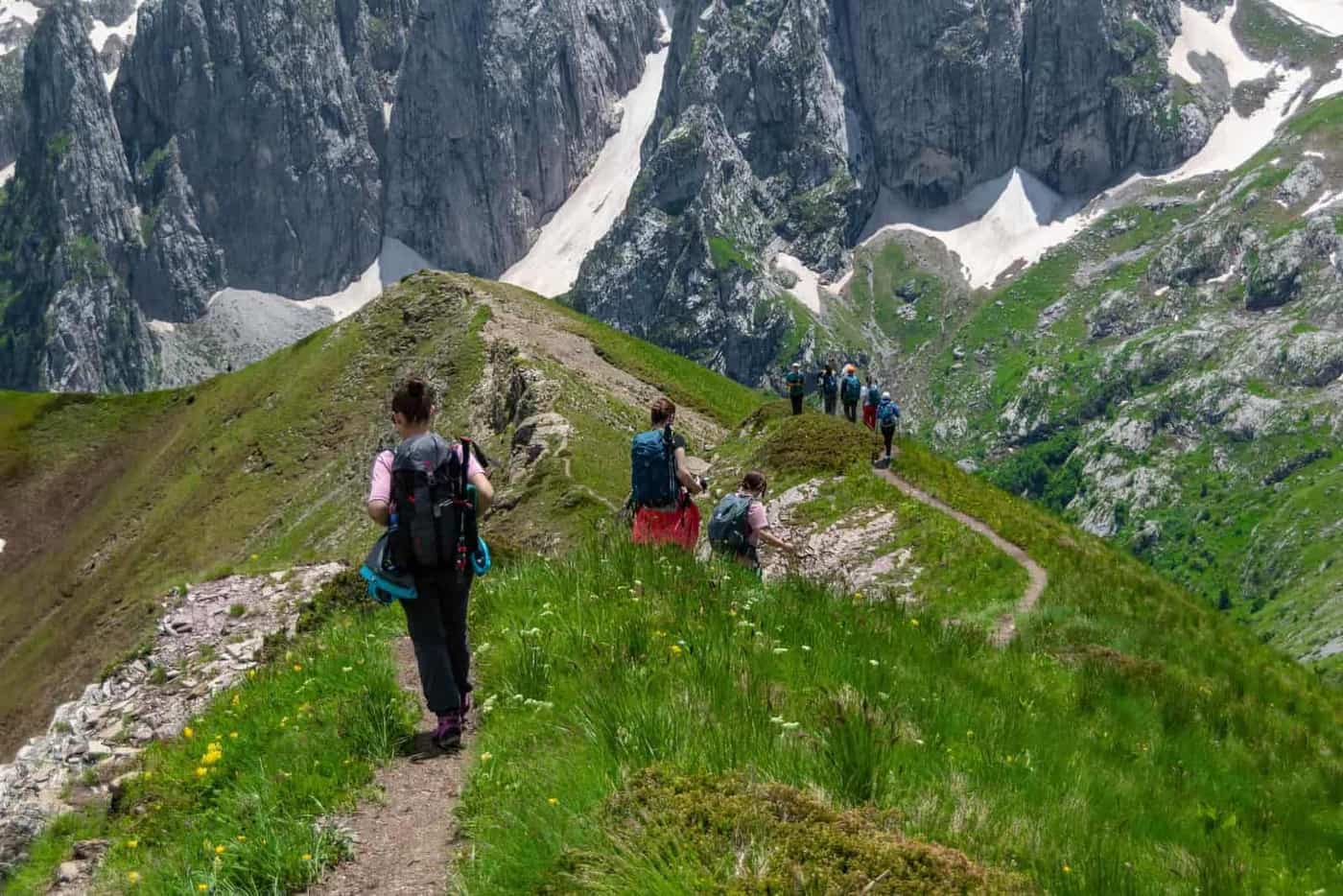
Hiking boots vs trail runners
Boots and trail runners each fix a different set of problems. This is the terrain-and-load decision, with a real boot, hiking shoe and trail runner to compare.
Featured: LOWA Renegade EVO GTX Mid
Check price on Amazon#ad · Price set by Amazon · Affiliate disclosure for the link to LOWA Renegade EVO GTX Mid
FAQ
Questions people ask
Do I need waterproof hiking boots?
How do I keep my feet dry on rainy hikes?
What boots should I use for snow hiking?
Do gaiters really help keep feet dry?
Ask us
Got a problem we haven't covered?
Tell us what hurts and where. Reader questions decide what we research next. Email mike@blackironathletics.com or use the contact form.