05 Wet Feet & Winter Head to head
Hiking Sandals vs Water Shoes: Which Do You Need?
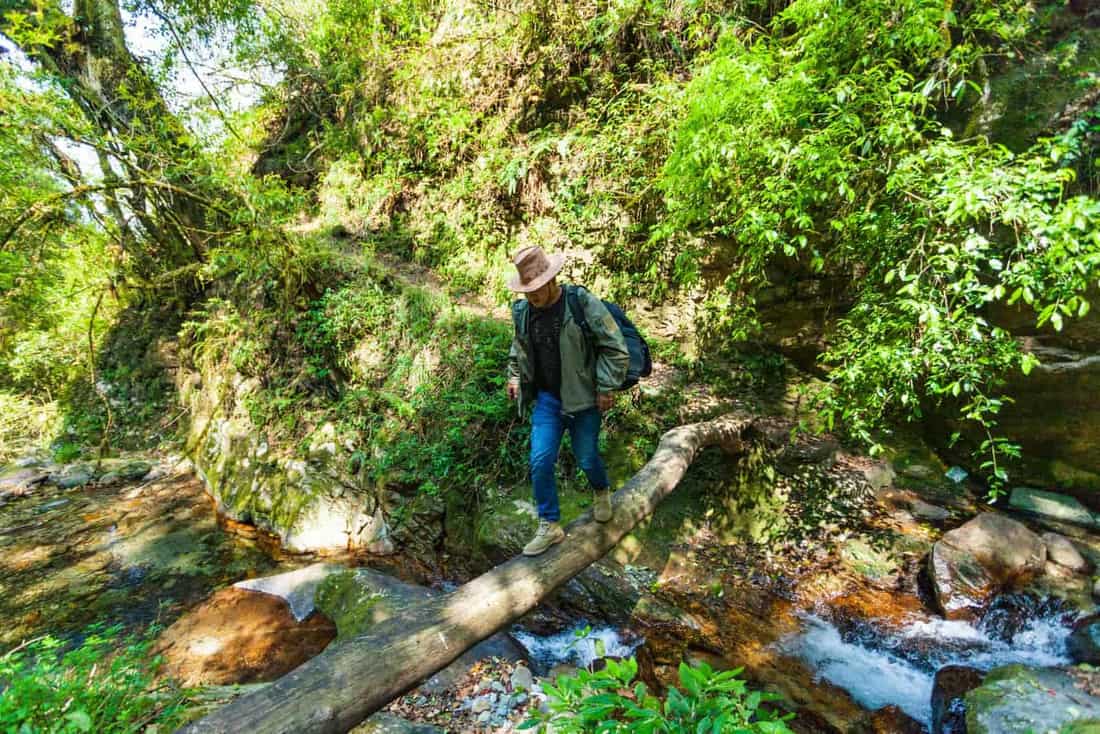
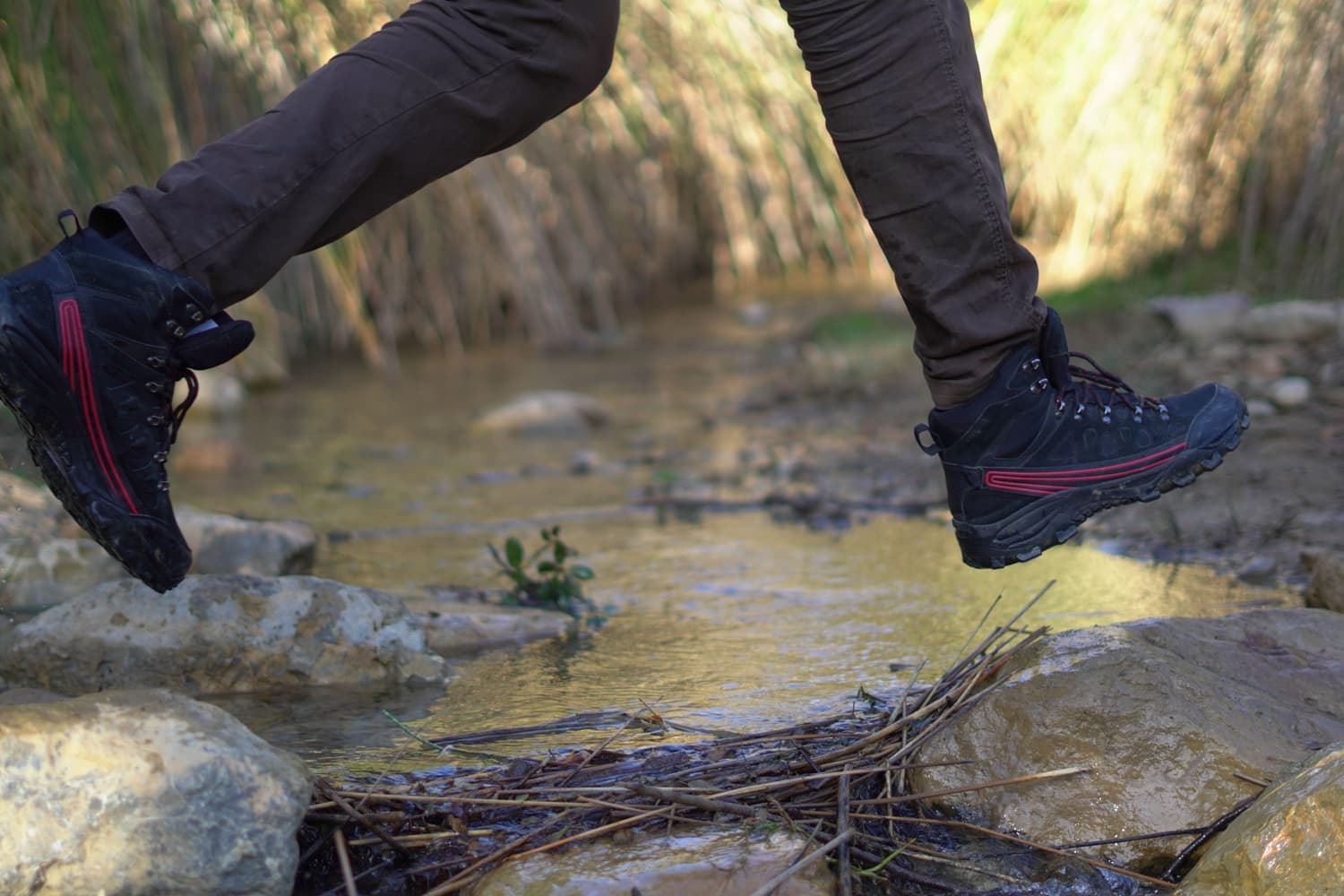
They look like the same purchase and they're built for different jobs: a hiking sandal is footwear you walk miles in that tolerates water, and a water shoe is footwear for water that tolerates a short walk.
- By
- Mike M.
- Updated
- Method
- How we choose
We earn a commission if you buy through our links, at no extra cost to you. It never decides the ranking: the method is published. Affiliate disclosure
The verdict
Pick one in ten seconds
 Stock photo
Pick for walking miles
Chaco Z/1 Classic
7.7 / 10A firm, APMA-certified LUVSEAT footbed and a 3.5 mm lug outsole: the sandal here built to be hiked in rather than paddled in.
Check price on Amazon#ad · Price set by Amazon · Affiliate disclosure for the link to Chaco Z/1 Classic
- Stock photo
Pick for one shoe that does both
KEEN Newport H2
7.7 / 10Closed toe, rubber bumper, siped rubber outsole and a washable build, in Medium and Wide. The genuine crossover in this comparison.
Check price on Amazon#ad · Price set by Amazon · Affiliate disclosure for the link to KEEN Newport H2
- Stock photo
Pick for camp and cheap
Teva Hurricane XLT2
6.2 / 10Light, quick-drying, flat EVA with a nylon shank at 10.25 oz a half pair. Excellent camp shoe, not a mileage sandal.
Check price on Amazon#ad · Price set by Amazon · Affiliate disclosure for the link to Teva Hurricane XLT2
 Stock photo
Pick for camp and water
Merrell Hydro Moc
6.1 / 10A 7 oz one-piece foam clog with 2 mm lugs. Rinses clean, packs anywhere, and isn't a hiking outsole.
Check price on Amazon#ad · Price set by Amazon · Affiliate disclosure for the link to Merrell Hydro Moc
- Stock photo
Pick for wet rock
Astral Loyak AC
7.0 / 10Razor-siped G.15 rubber built for slick surfaces, 6.7 oz, zero drop, and Astral itself says it's not for heavy whitewater.
Check price on Amazon#ad · Price set by Amazon · Affiliate disclosure for the link to Astral Loyak AC
- Stock photo
Pick for cushioned crossover
HOKA Hopara 2
7.0 / 10Closed-toe, drainable Cordura mesh over a thick midsole with J-Frame. The most cushioned thing here that still drains.
Check price on Amazon#ad · Price set by Amazon · Affiliate disclosure for the link to HOKA Hopara 2
The Real Difference
Both categories get wet and both dry fast, so the marketing looks interchangeable. The engineering isn't. Three specs separate them, and all three are published:
- Outsole purpose. A hiking sandal has lugs for loose ground: Chaco publishes 3.5 mm ChacoGrip lugs. A water shoe has siping — fine razor cuts in flat rubber that grip wet, smooth surfaces: Astral publishes "G.15 Rubber and Flex Grip" with a razor-siped pattern, and Merrell's Hydro Moc publishes 2 mm lugs. Lugs bite into dirt; siping grips wet rock. They're different problems.
- Support structure. Hiking sandals publish shanks and shaped footbeds — Teva's nylon shank, Chaco's dense LUVSEAT PU. Water shoes mostly publish the opposite: Astral's zero-drop "Level Footbed" with an 11 mm foot-to-ground distance is deliberately flat, because paddling and scrambling on rock want feel, not arch height.
- Weight and drainage. Water shoes are startlingly light — 6.7 oz for the Astral, 7 oz for the Hydro Moc — and built to shed water through the upper. Sandals drain by having no upper at all, which is simpler, and pick up grit in exchange.
One more practical difference: a water shoe protects your toes and a strappy sandal doesn't. On a river crossing over unseen rock, that's the argument that ends the discussion for a lot of people, and it's why the National Park Service's hiking safety guidance frames footwear as a match to the terrain rather than a preference.
Hiking Sandals, Compared
| Spec | Chaco Z/1 Classic | KEEN Newport H2 | Teva Hurricane XLT2 |
|---|---|---|---|
| Weight | Not published | 1 lb. per pair | 10.25 oz, half pair, size M9 |
| Outsole | Non-marking ChacoGrip rubber compound, 3.5 mm lug depth | Non-marking carbon-rubber outsole with knife-cut siping; "multi-directional lugs and a grippy, siped sole" | Spider Rubber outsole |
| Midsole | Not published | EVA midsoles; Clarino Serdia antimicrobial footbeds | EVA-foam midsole with a "nylon shank designed to stabilize and support your foot on uneven terrain" |
| Sizes | Men's US 7-15Men's US 7-12, Wide width | Not published | Not published |
| Widths | Not published | Sold in a dedicated men's Wide as well as the standard width | Not published |
The pattern in that table is the category: shaped footbeds, real lugs, width options on two of the three, and almost no published weights. Chaco and KEEN are both sold in a genuine Wide, which matters more in a sandal than people expect — see best hiking sandals for wide feet.
Water Shoes, Compared
Here the pattern is weight and grip: published half-pair weights under half a pound, siped or low-lug rubber, and uppers designed to let water out. The Hopara 2 is the outlier — a closed-toe shoe with drainage ports and a thick cushioned midsole, which is why it shows up in both halves of this comparison.
In detail
Both contenders, in full
Stock photoPick for walking miles
Chaco Z/1 Classic
Built for
A firm, APMA-certified LUVSEAT footbed and a 3.5 mm lug outsole: the sandal here built to be hiked in rather than paddled in.
Widths sold: Men's Medium (7-15); Wide (7-12)
Published specs (tap for source)
- Problem fit (30%)
- 8
- Fit range (25%)
- 8
- Support & protection (20%)
- 7
- Durability & warranty (15%)
- 9
- Weight (10%)
- 5
What it gets right
- Firm PU arch, with APMA certification stated on the product page
- Sold in a real Wide width, not just a wider strap
- Resoleable and re-strappable rather than disposable
What it doesn't
- Chaco does not publish a weight, and these are heavier than a strappy sport sandal
- The firm arch is polarizing: it is a shape, not an adjustable insert
- Open toe, so there is no toe protection at all
Skip it if…
…you want a soft, forgiving footbed straight out of the box: the Z/1's arch is firm and shaped, and there is no removable insole to swap.
#ad · Price set by Amazon · Affiliate disclosure for the link to Chaco Z/1 Classic
Stock photoPick for one shoe that does both
KEEN Newport H2
Built for
Closed toe, rubber bumper, siped rubber outsole and a washable build, in Medium and Wide. The genuine crossover in this comparison.
Widths sold: Men's Medium and Wide
Published specs (tap for source)
- Problem fit (30%)
- 8
- Fit range (25%)
- 8.5
- Support & protection (20%)
- 6.5
- Durability & warranty (15%)
- 8
- Weight (10%)
- 6.5
What it gets right
- Closed toe with a rubber bumper, so rocks and roots don't reach your toes
- Genuine Wide width plus KEEN's naturally roomy forefoot
- Siped rubber outsole aimed at wet rock, and the whole shoe is washable
What it doesn't
- No arch-support or orthotic claim: the footbed is flat EVA
- Bulkier and warmer than an open sandal
- Bungee lace gives a fixed heel fit with little fine adjustment
Skip it if…
…you want arch support: the Newport H2 sells fit and protection, not a shaped footbed, and it has no removable insole to build on.
#ad · Price set by Amazon · Affiliate disclosure for the link to KEEN Newport H2
Stock photoPick for camp and cheap
Teva Hurricane XLT2
Built for
Light, quick-drying, flat EVA with a nylon shank at 10.25 oz a half pair. Excellent camp shoe, not a mileage sandal.
Published specs (tap for source)
- Problem fit (30%)
- 6
- Fit range (25%)
- 6
- Support & protection (20%)
- 5.5
- Durability & warranty (15%)
- 6
- Weight (10%)
- 8.5
What it gets right
- One of the few sandals here with a published weight, and it is light
- Nylon shank despite the price and the simple build
- Dries fast and takes abuse in and out of water
What it doesn't
- EVA footbed with no arch-support claim
- No width options
- Thin platform: not the sandal for long, loaded miles
Skip it if…
…arch or heel pain is why you're shopping: this is a flat EVA footbed, and a shaped PU footbed or a removable orthotic will serve you better.
#ad · Price set by Amazon · Affiliate disclosure for the link to Teva Hurricane XLT2
Stock photoPick for camp and water
Merrell Hydro Moc
Built for
A 7 oz one-piece foam clog with 2 mm lugs. Rinses clean, packs anywhere, and isn't a hiking outsole.
Published specs (tap for source)
- Problem fit (30%)
- 6.5
- Fit range (25%)
- 6
- Support & protection (20%)
- 4.5
- Durability & warranty (15%)
- 6
- Weight (10%)
- 8.5
What it gets right
- Extremely light and completely washable
- Contoured arch, which most foam clogs skip
- Heel strap turns it from a slipper into something you can walk in
What it doesn't
- 2 mm lugs: not a hiking outsole
- One-piece foam has no adjustment beyond the heel strap
- Hot and sweaty in real heat, since the foam doesn't breathe like mesh
Skip it if…
…you plan to hike miles in them: this is a camp and water shoe with 2 mm lugs, not a trail sandal.
#ad · Price set by Amazon · Affiliate disclosure for the link to Merrell Hydro Moc
Stock photoPick for wet rock
Astral Loyak AC
Built for
Razor-siped G.15 rubber built for slick surfaces, 6.7 oz, zero drop, and Astral itself says it's not for heavy whitewater.
Published specs (tap for source)
- Problem fit (30%)
- 8.5
- Fit range (25%)
- 7
- Support & protection (20%)
- 4
- Durability & warranty (15%)
- 6.5
- Weight (10%)
- 9
What it gets right
- Sticky siped rubber built specifically for wet rock
- Wide toe box and a removable insole, so it takes a thin orthotic
- Drains and dries fast at well under half a pound per shoe
What it doesn't
- Whole sizes only, which is coarse if you're a half size
- Zero drop, flat footbed: no arch support
- Astral itself rules it out for heavy whitewater
Skip it if…
…you need arch support or half sizes: the Level Footbed is deliberately flat and Astral only makes whole sizes.
#ad · Price set by Amazon · Affiliate disclosure for the link to Astral Loyak AC
Stock photoPick for cushioned crossover
HOKA Hopara 2
Built for
Closed-toe, drainable Cordura mesh over a thick midsole with J-Frame. The most cushioned thing here that still drains.
Published specs (tap for source)
- Problem fit (30%)
- 8
- Fit range (25%)
- 6
- Support & protection (20%)
- 7.5
- Durability & warranty (15%)
- 7
- Weight (10%)
- 5.5
What it gets right
- Closed toe plus HOKA cushioning, which no strappy sandal here matches
- J-Frame is a published stability feature, not a vague support claim
- Drains and dries, so it crosses water without being a river sandal
What it doesn't
- HOKA doesn't publish the weight, stack or drop for this model
- No width options published
- Hot in high heat compared with an open sandal
Skip it if…
…you want airflow over your whole foot in summer heat: this is a closed shoe with drainage ports, not an open sandal.
#ad · Price set by Amazon · Affiliate disclosure for the link to HOKA Hopara 2
Which to Buy, by Trip
Day hiking in heat, dry trail. Hiking sandal. You want the footbed and the lugs, and there's no water to grip. If your feet need arch support, that's best hiking sandals with arch support.
Canyon hiking with repeated crossings. Closed-toe crossover, or a water shoe if the walking is short. Wet rock is where siping earns its keep and where a strappy sandal collects gravel every crossing.
Paddling, rafting, sailing. Water shoe. Note Astral's own caveat on the Loyak AC — "not recommended for heavy whitewater use" — which tells you these categories subdivide again once you're in moving water.
Camp shoe after a day in boots. Either, and the cheapest wins. A foam clog at 7 oz or a light strappy sandal at 10 oz both do the job; what matters is that your boots come off. Both are also easy gifts, which is why they appear in hiking gifts under $50.
Backpacking, carrying weight. Neither, as your main footwear. Take boots or trail runners and a light camp shoe; the load argument is in hiking boots vs trail runners and best trail runners for backpacking.
Cold, wet hiking. Neither. Wet feet in cold conditions is a different problem with different answers — start at waterproof vs non-waterproof hiking boots and how to keep feet dry hiking.
The Genuine Crossovers
Two shoes here refuse the categories, and both are worth knowing about if you only want one pair.
KEEN Newport H2. KEEN publishes a rubber toe bumper, a non-marking carbon rubber outsole with knife-cut siping, a hydrophobic-foam-lined webbing upper and a 1 lb per pair weight, in Medium and Wide. It walks better than a water shoe and grips wet rock better than a strappy sandal. The trade is a flat EVA footbed with no arch-support claim, and more bulk and heat than an open sandal.
HOKA Hopara 2. A closed-toe shoe with recycled Cordura mesh overlays that HOKA says allow "water drainage while keeping trail debris at bay," over a thick sugarcane-blend midsole with J-Frame. It is the most cushioned option in this comparison and the only one with a published stability feature. HOKA doesn't publish its weight or stack, which is the frustrating part.
If you want the crossover to also take an insole, the water shoes are actually better placed: the Astral publishes a removable 45C EVA insole, while sandal footbeds are part of the midsole. That matters if you already use an insole — see best insoles for hiking boots, or best hiking sandals for plantar fasciitis for the sandal that does lift out.
When to Skip Both
Skip both if your feet slide around in open footwear, because sliding is what causes blisters — the mechanics are in how to prevent blisters hiking. And skip both if you need the toe protection and traction of a real hiking shoe: the lightest closed options are in best hiking shoes, with the waterproof versions in best waterproof hiking shoes.
How we chose
Units we claim to have tested: 0
Everyone in this category says they tested it. We didn't, and we say so. Every pick is scored from the brand's published specs, width and size charts, warranty terms and cited research, against the problem this page is about. The sources are listed at the bottom of the page.
Scores are editorial judgments from that published data, not lab results. Nobody pays for placement, and a missing spec is scored neutral, never guessed. The full rubric is on How We Choose.
- Problem fit
- 30%
- Fit range
- 25%
- Support & protection
- 20%
- Durability & warranty
- 15%
- Weight
- 10%
The weights this page used for its scores.
FAQ
Questions people ask
What's the difference between hiking sandals and water shoes?
Can I hike in water shoes?
Can I use hiking sandals for river crossings?
Which is better for wet rock?
Do I need both?
Keep going
Related fixes and picks
- Best hiking sandals for wide feetWhich sandals and crossovers come in a genuine wide.
- Best hiking sandals with arch supportIf the sandal has to support your arch as well as drain.
- How to keep feet dry hikingThe strategy when getting wet isn't the plan.
- Best waterproof hiking shoesThe closed, waterproof alternative to both categories.
Update log
What changed
- First published.
Receipts
Sources
- 01Chaco: Men's Z/1 Adjustable Strap Classic Sandal (checked Sep 26, 2026)
- 02KEEN: Men's Newport H2 Sandal (checked Sep 26, 2026)
- 03Merrell: Men's Hydro Moc (checked Sep 26, 2026)
- 04Astral: Loyak AC (checked Sep 26, 2026)
- 05National Park Service: Hiking Safety (accessed Sep 26, 2026)
We don't test boots, shoes or gear, and we don't pretend to. Specs, widths and materials come from the brand's own pages (or a named retailer's listing where the brand doesn't publish them); health information comes from the research and professional bodies linked above. Prices are set by Amazon and change often, so we don't print them. Where a figure isn't published, we say so. Read the full method.