02Rolled Ankles & Ankle Support
Keep rolling your ankle? Start here
A taller boot isn't the whole answer. Stability comes from the sole, the heel counter, the lacing and how you move. Here's what the research says, and the boots and shoes built for unsteady ankles.
8 guides and picks in this section · How we choose
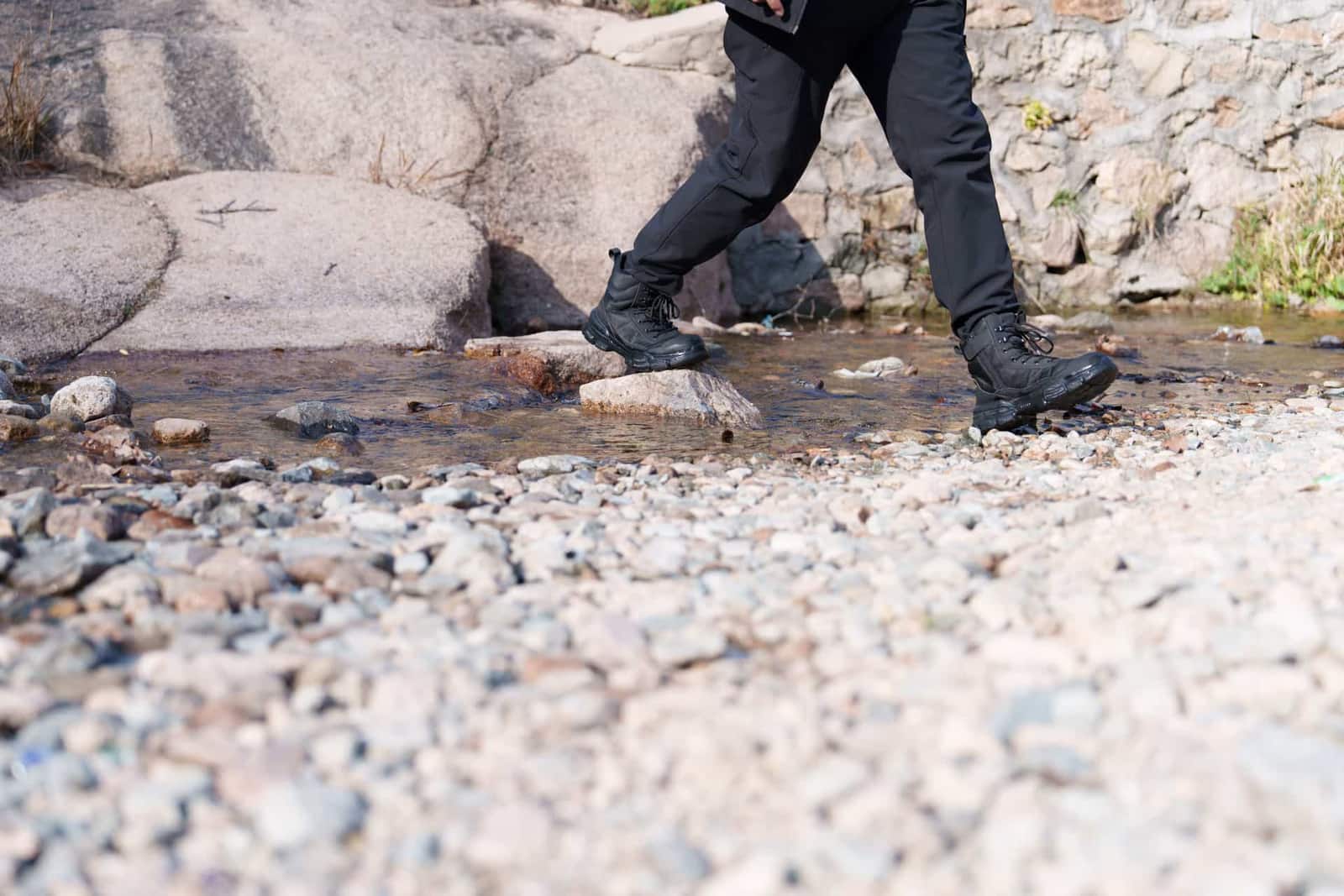
We earn a commission if you buy through our links, at no extra cost to you. It never decides the ranking: the method is published. Affiliate disclosure
Start here
Read this first
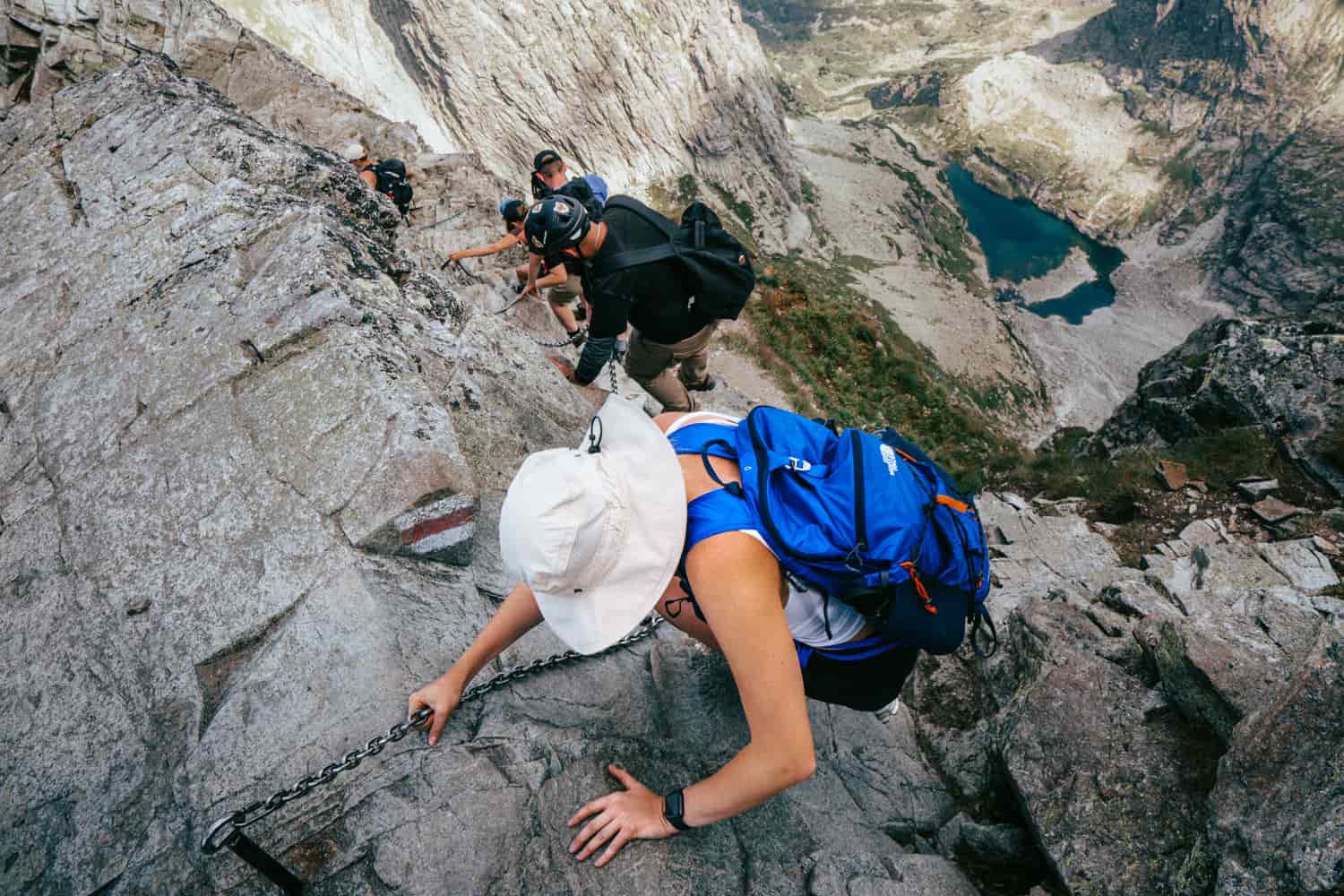
Do Hiking Boots Prevent Ankle Sprains?
What the research says about high-cut boots and ankle sprains, what helps more than cuff height, and when a mid or high boot is still worth choosing.
Read the fix guideFeatured pick: Salomon Quest 5 GTX
#ad · Price set by Amazon · Affiliate disclosure for the link to Salomon Quest 5 GTX
Best picks
Ranked picks for this problem
Best picks
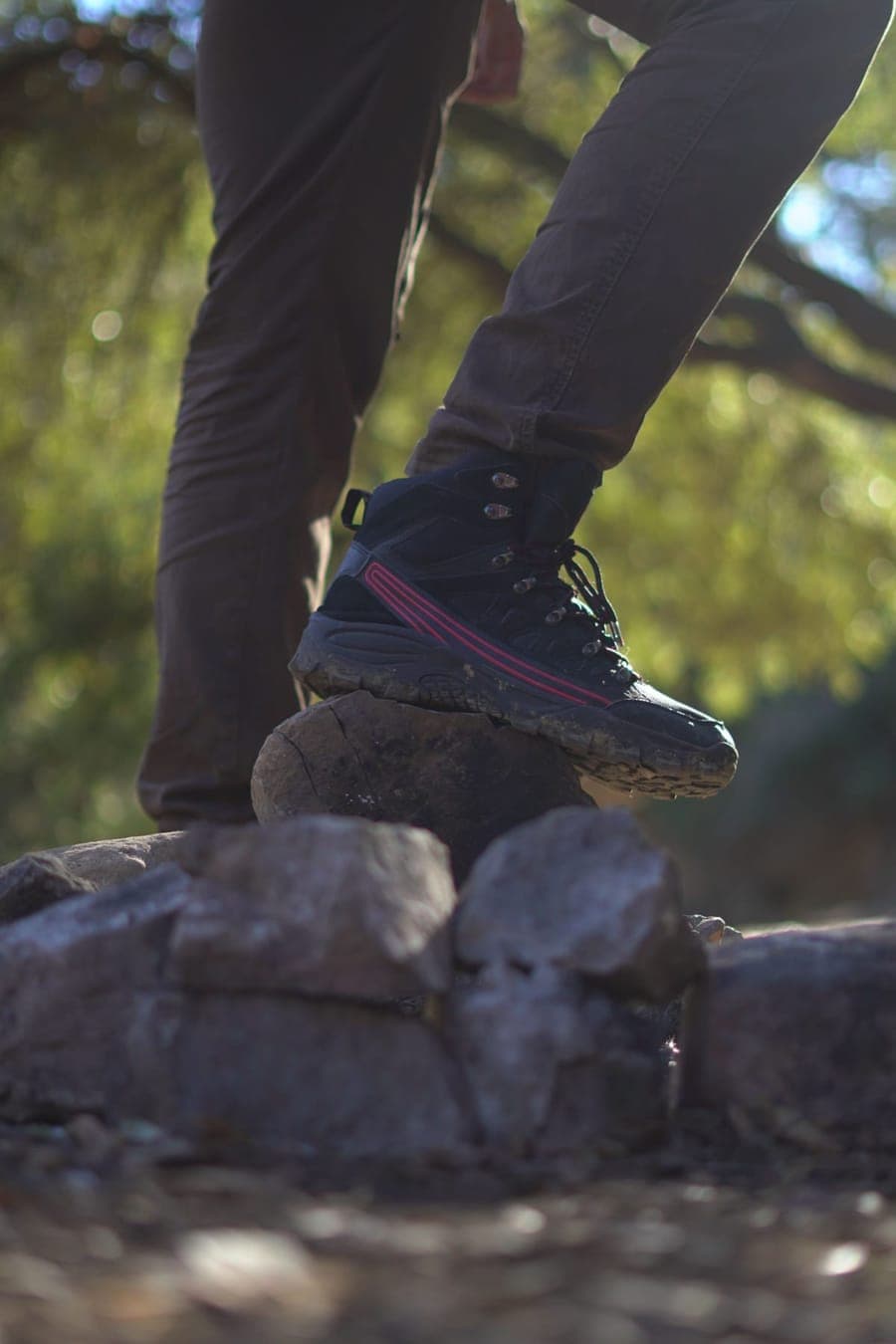
Best boots for ankle support
Mid and high hiking boots ranked for ankle stability, scored on published support features, fit range and durability.
Top pick: Salomon Quest 5 GTX · 6 picks
Check price on Amazon#ad · Price set by Amazon · Affiliate disclosure for the link to Salomon Quest 5 GTX
Best picks
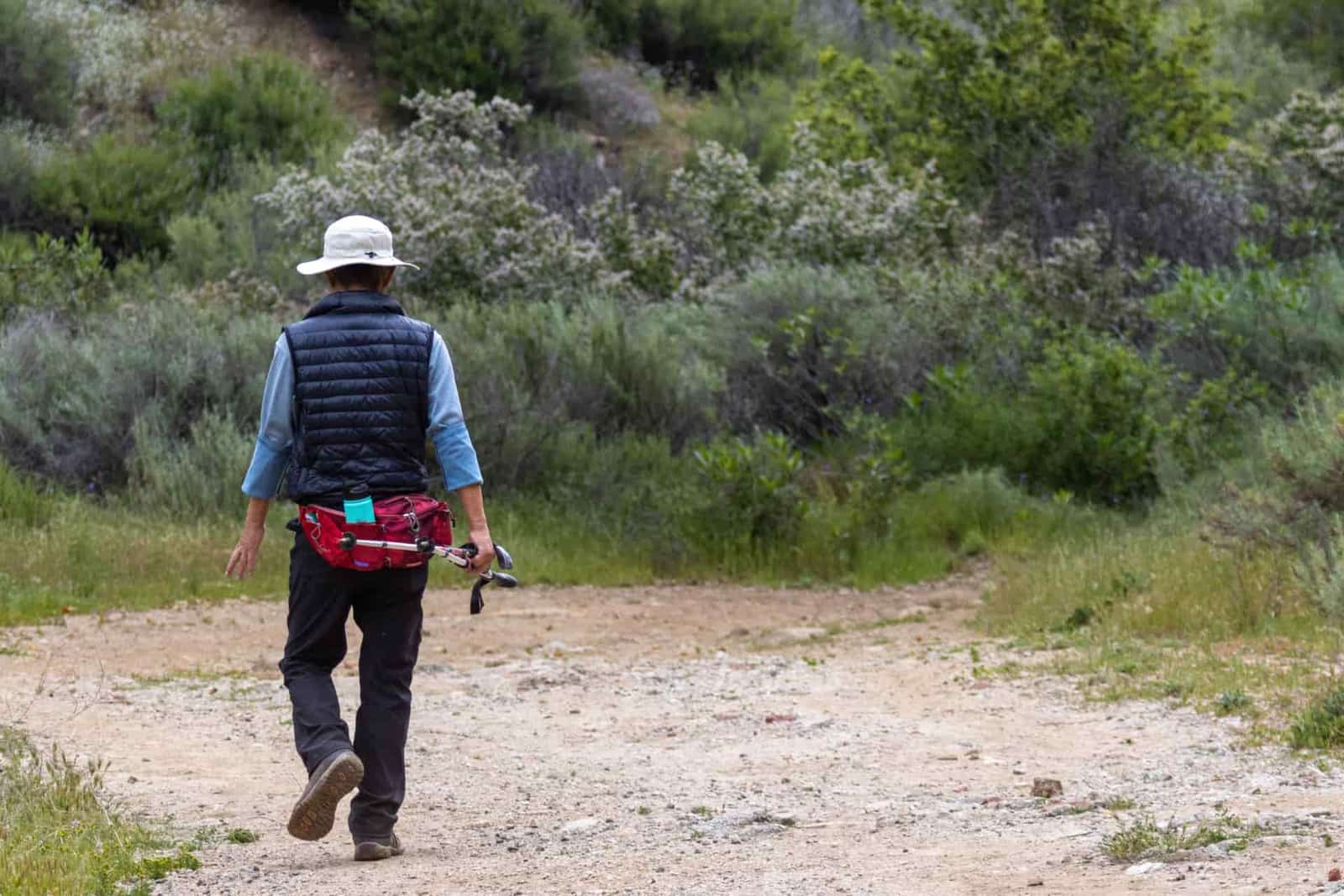
Best shoes for weak ankles
Low-cut hiking shoes and trail runners ranked for weak ankles, scored on published stability features rather than cuff height.
Top pick: Salomon X Ultra 5 GTX · 6 picks
Check price on Amazon#ad · Price set by Amazon · Affiliate disclosure for the link to Salomon X Ultra 5 GTX

Best picks
Best boots for rocky terrain
Mid and high hiking boots ranked for loose rock and technical terrain, scored on published support, durability and fit.
Top pick: Zamberlan 996 Vioz GTX · 6 picks
Check price on Amazon#ad · Price set by Amazon · Affiliate disclosure for the link to Zamberlan 996 Vioz GTX
What to fix before you buy a boot
If your ankle rolls on the trail, the free fixes come first. Lace for a locked-down heel so your foot doesn't shift inside the boot before the boot can do anything about it, and watch your footing on uneven ground, especially late in a hike when your legs are tired and your attention slips. Ongoing balance and ankle-strength work matters too; we walk through all of it, with sources, in do hiking boots prevent ankle sprains. Only once those are handled does it make sense to shop for a boot.
How the category divides
Footwear for unsteady ankles splits three ways. Mid and high boots trade weight for a taller cuff, a stiffer platform and, usually, a stated support feature like a chassis or shank; see best hiking boots for ankle support. Low-cut hiking shoes and stable trail runners skip the cuff but can still publish a real stability feature underfoot, covered in best hiking shoes for weak ankles. And terrain changes the calculation on its own: loose rock and scree put more strain on an ankle than groomed trail, which is its own category in best hiking boots for rocky terrain. If you're deciding between the mid and low version of the same boot rather than a different category entirely, mid vs low hiking shoes compares them directly.
What actually decides which one you need
Three things matter more than ankle history alone: how much weight you're carrying, how rough the ground is, and whether you've sprained that ankle before. A heavy overnight pack raises the stakes of any misstep, which is why backpackers lean toward a stiffer mid or high boot even without a history of sprains. Light and dry day hikes on maintained trail put much less demand on the ankle, which is where a low-cut shoe or trail runner holds up fine. And a previous sprain is a real risk factor for the next one, which is more a question of strength and stability work than of which box a boot ships in. If you're also weighing a trail runner instead of any kind of hiking boot, that decision runs through pack weight and water as much as ankle history, and hiking boots vs trail runners covers it in full.
The common mistake
The most common mistake here is buying height as insurance. Research on high-top shoes is genuinely mixed: Cleveland Clinic's summary of that research notes that some studies find a high cuff limits how far the ankle rolls, while others find that effect disappears once someone is actually moving, and that how quickly your own stabilizing muscles react likely matters more than cuff height. A tall boot bought for that reason alone, on trails that don't call for one, is extra weight with no clear return. Buy for the terrain and the load you actually carry, not for a guarantee no boot can make.
Head to head
Comparisons
Head to head
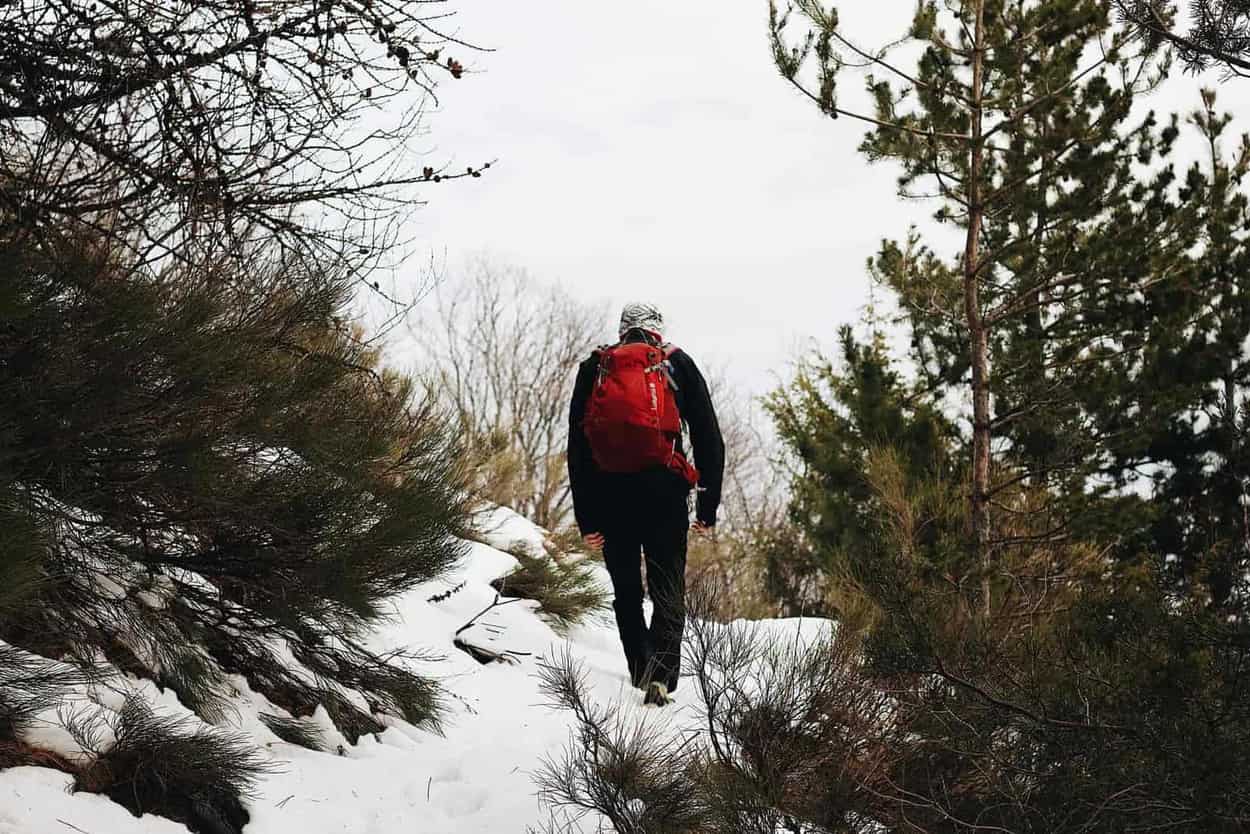
Salomon Quest vs LOWA Renegade
Salomon Quest 5 GTX vs LOWA Renegade EVO GTX Mid, compared on ankle support, width and weight for hikers who want a high-top boot.
Featured: Salomon Quest 5 GTX
Check price on Amazon#ad · Price set by Amazon · Affiliate disclosure for the link to Salomon Quest 5 GTX
Head to head
Salomon X Ultra vs Quest
Salomon X Ultra 5 Mid GTX vs Salomon Quest 5 GTX, compared on chassis, width and weight for hikers deciding between Salomon's two supportive mids.
Featured: Salomon X Ultra 5 Mid GTX
Check price on Amazon#ad · Price set by Amazon · Affiliate disclosure for the link to Salomon X Ultra 5 Mid GTX
Fix guides
Fix it before you buy
Fix guide
Mid vs low hiking shoes
Mid-cut boots wrap more of the ankle; low-cut shoes don't. Here's when the extra coverage is worth it and when a low shoe does the same job lighter.
Featured: Merrell Moab 3 Mid Waterproof
Check price on Amazon#ad · Price set by Amazon · Affiliate disclosure for the link to Merrell Moab 3 Mid Waterproof
Fix guide
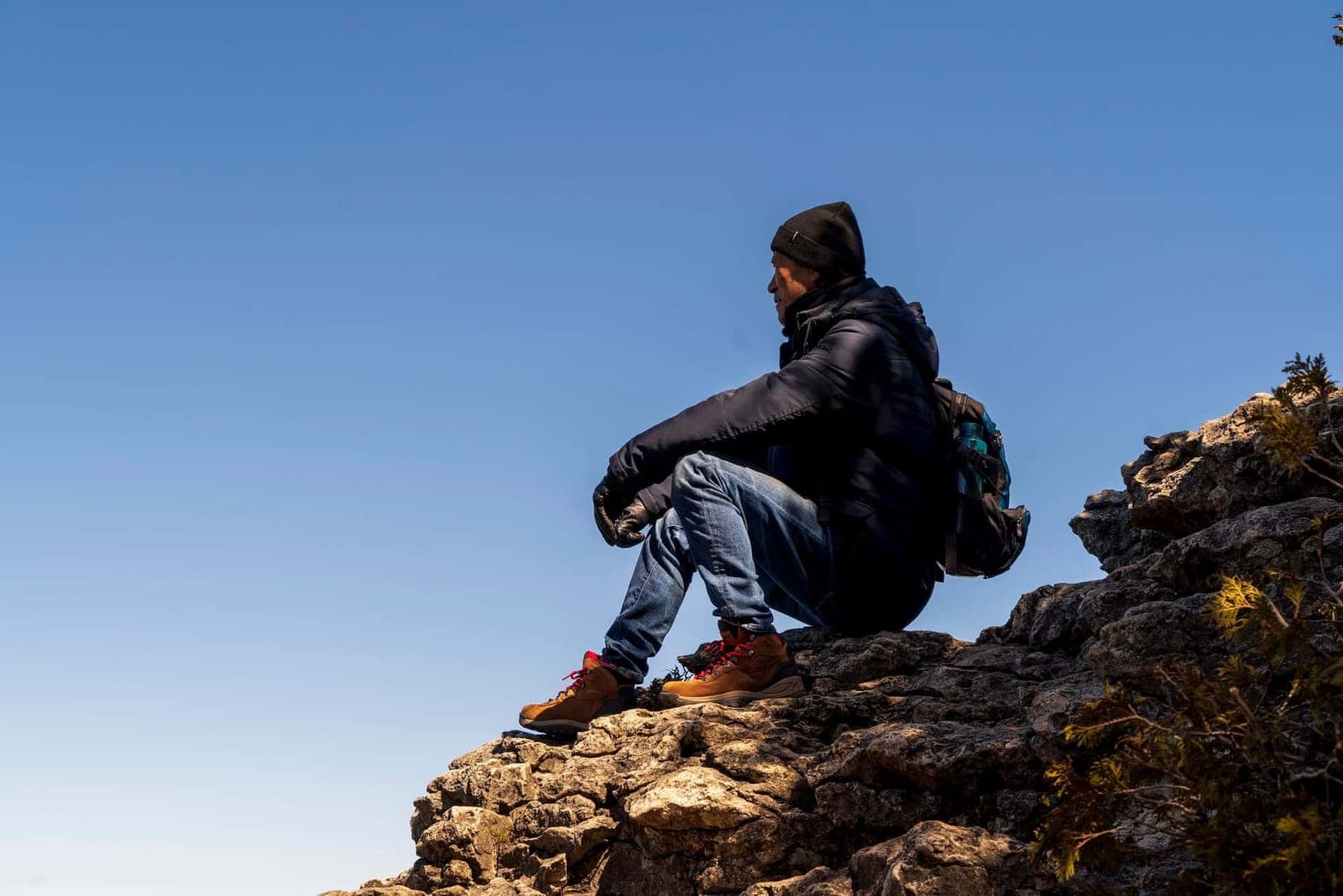
Rolled ankle while hiking
What to do in the first few minutes after rolling your ankle on trail, when it's safe to keep hiking, and how to cut your odds of a repeat.
Featured: HOKA Kaha 3 GTX
Check price on Amazon#ad · Price set by Amazon · Affiliate disclosure for the link to HOKA Kaha 3 GTX
Filed elsewhere, written for you
Also worth reading
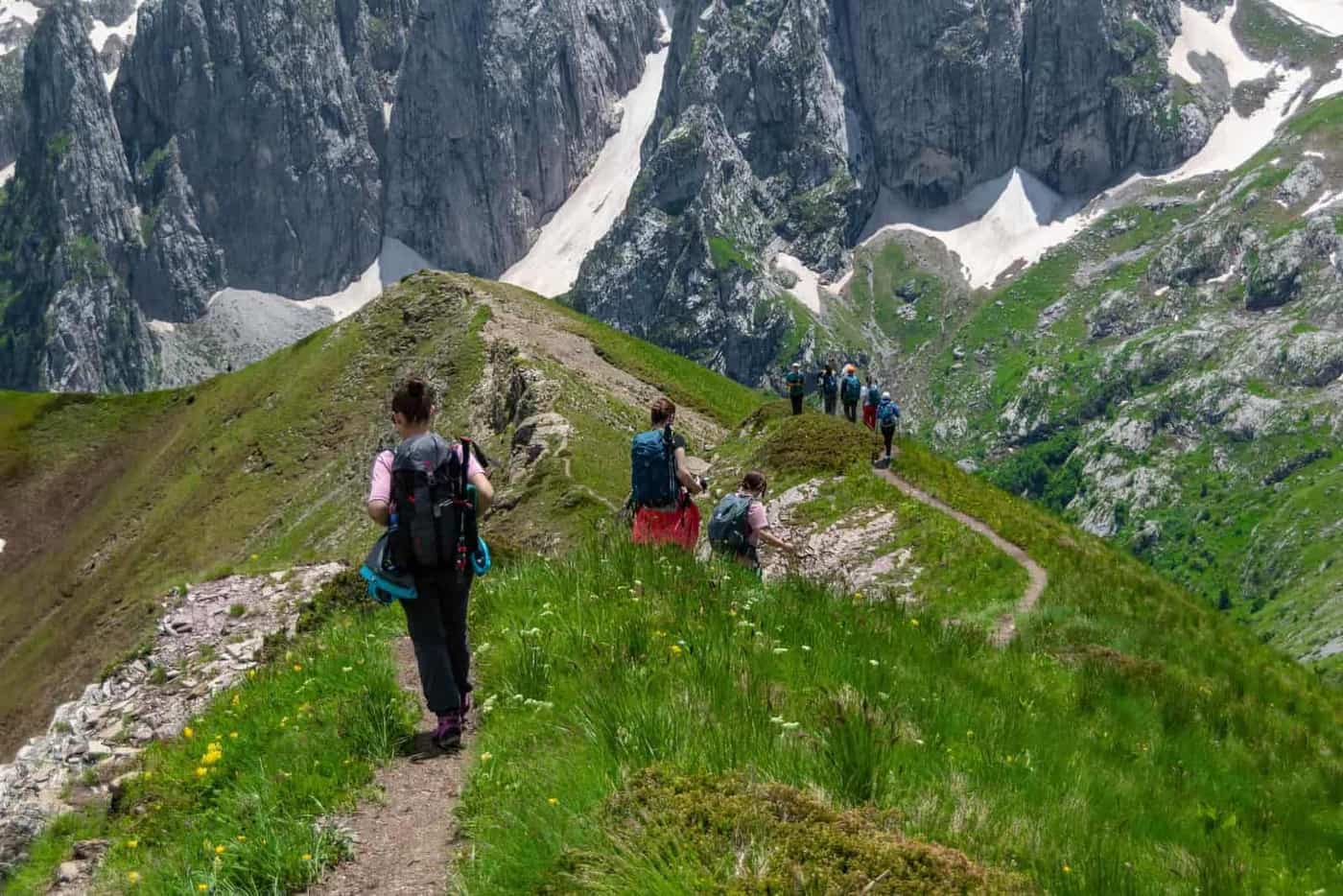
Boots vs Trail Runners
Hiking boots vs trail runners
Boots and trail runners each fix a different set of problems. This is the terrain-and-load decision, with a real boot, hiking shoe and trail runner to compare.
Featured: LOWA Renegade EVO GTX Mid
Check price on Amazon#ad · Price set by Amazon · Affiliate disclosure for the link to LOWA Renegade EVO GTX Mid

Boots vs Trail Runners
Best backpacking boots
Backpacking boots that hold up under a loaded pack, ranked by support, fit and durability rather than brand name.
Top pick: Zamberlan 996 Vioz GTX · 7 picks
Check price on Amazon#ad · Price set by Amazon · Affiliate disclosure for the link to Zamberlan 996 Vioz GTX
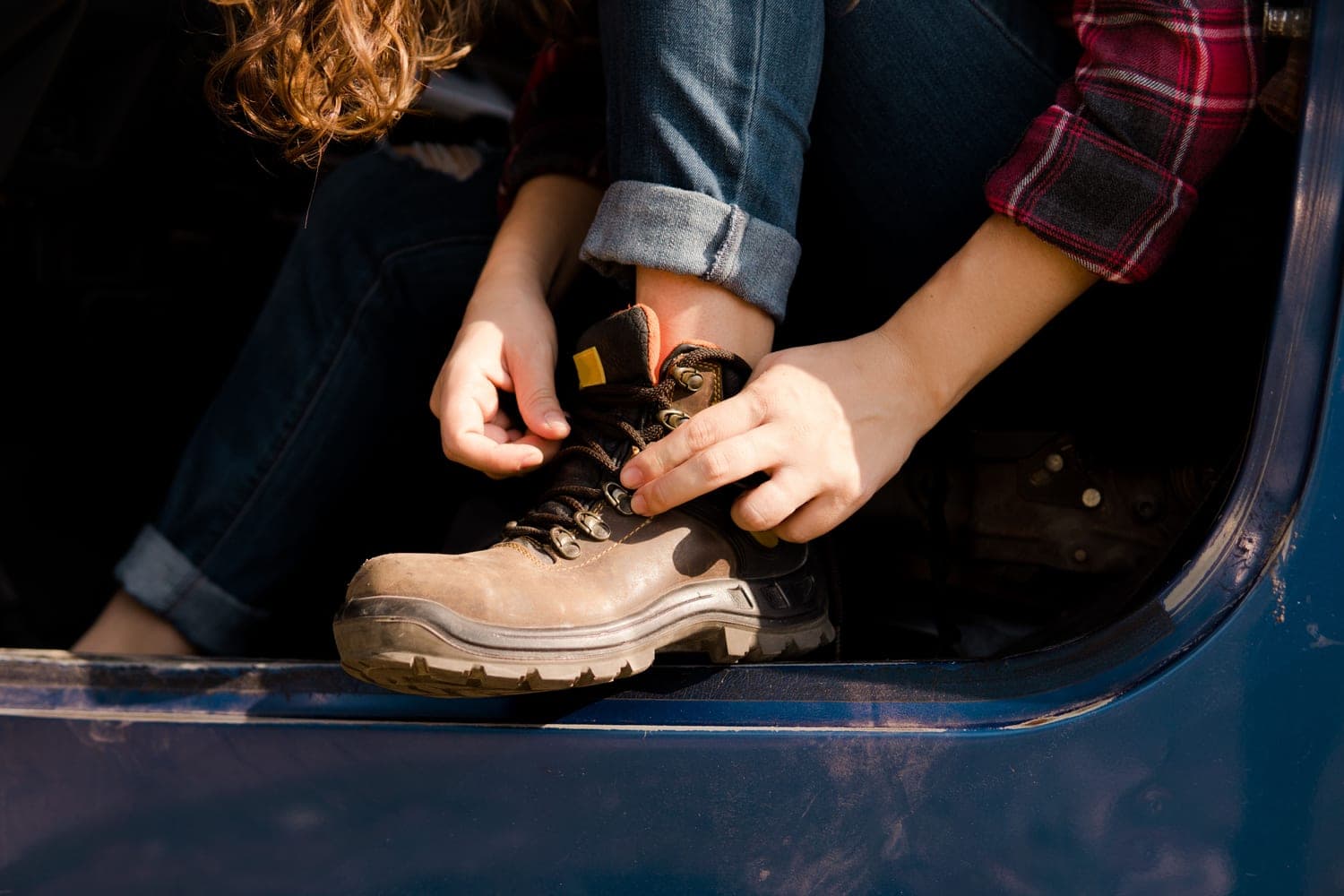
Blisters & Hot Spots
Boot lacing techniques
A lacing pattern for heel slip, wide feet, downhill toe pain and top-of-foot pressure, plus two boots with lacing hardware built for it.
Featured: Columbia Newton Ridge Plus II Waterproof
Check price on Amazon#ad · Price set by Amazon · Affiliate disclosure for the link to Columbia Newton Ridge Plus II Waterproof
FAQ
Questions people ask
Do hiking boots actually need to be tall for ankle support?
What's the difference between boots for ankle support and boots for rocky terrain?
Should I get boots or shoes if I have weak ankles?
What should I do if I roll my ankle on the trail?
Got a problem we haven't covered?
Ask us
Got a problem we haven't covered?
Tell us what hurts and where. Reader questions decide what we research next. Email mike@blackironathletics.com or use the contact form.