02 Rolled Ankles & Ankle Support Best picks
Best Hiking Boots for Overpronation
If the inside edges of your old boots are crushed and the uppers lean inward over the sole, your foot is rolling in further than the boot can hold. The fix is structure under the arch and a heel that does not move - and sometimes it is an insole, not a boot.
- By
- Mike M.
- Updated
- Method
- How we choose
We earn a commission if you buy through our links, at no extra cost to you. It never decides the ranking: the method is published. Affiliate disclosure
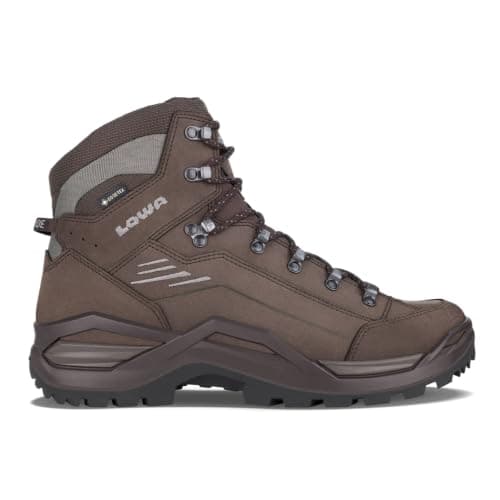
Our top pick · Best for Overpronation
LOWA Renegade EVO GTX Mid
LOWA builds the Renegade on a monowrap frame that cradles the midsole from the outside in, which is the most explicit structural answer to a foot that collapses inward in this group.
#ad · Price as of November 12, 2026 · Affiliate disclosure for the link to LOWA Renegade EVO GTX Mid
Why it won, the 5 picks behind it, and who should buy something else, are all below.
Quick picks
The short answer
| # | Product | Best for | Score | Price |
|---|---|---|---|---|
| 01 | LOWA Renegade EVO GTX Mid LOWA builds the Renegade on a monowrap frame that cradles the midsole from the outside in, which is the most explicit structural answer to a foot that collapses inward in this group. | Best published support frame | 9.4 / 10 | $275.75Amazon |
| 02 | 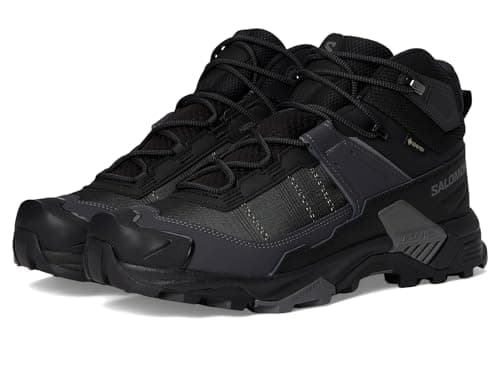 Salomon X Ultra 5 Mid GTX Salomon's Advanced Chassis sits between the midsole layers and is the one published component here whose stated job is controlling how the foot moves side to side. | Best chassis on uneven ground | 9.3 / 10 | $169.99Amazon |
| 03 | 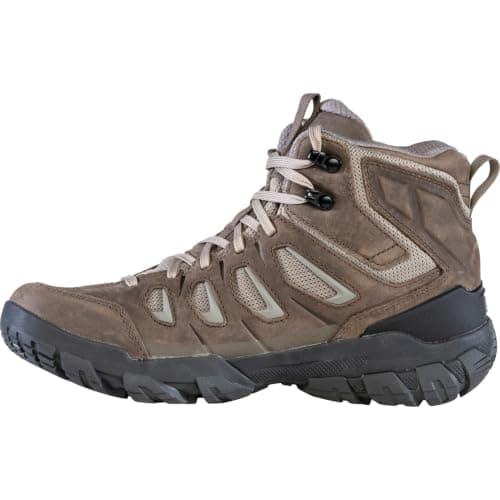 Oboz Sawtooth X Mid Waterproof (B-DRY) The O FIT insole ships in the box with a molded shell and a deep heel cup, so the structure is under your arch on day one instead of being something you buy separately. | Best stock footbed | 9.3 / 10 | $200.00Amazon |
| 04 | 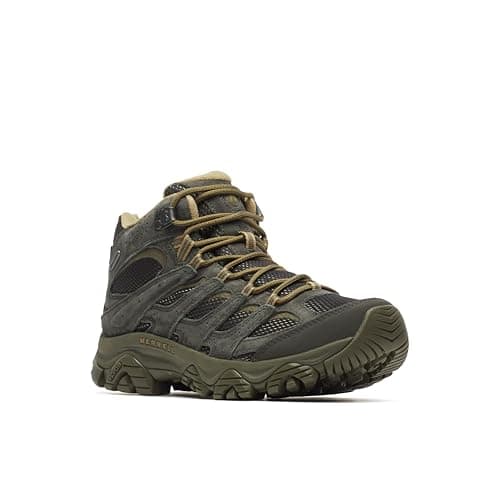 Merrell Moab 3 Mid Waterproof A nylon shank and a contoured footbed in the broadest published width range here. Not the strongest medial structure on the page, but the easiest to try on in your size. | Best widely available option | 9.3 / 10 | $167.45Amazon |
| 05 | 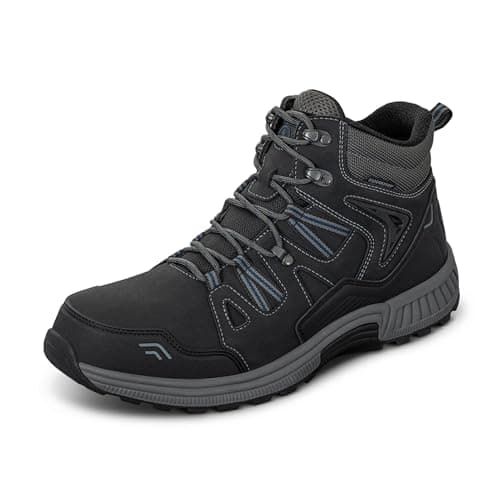 Orthofeet Ridgewood The only boot here that ships with an orthotic insole and anatomical arch support as the product's whole premise, in men's D, EE and 4E. It is also the heaviest thing on this list. | Best arch support out of the box | 9.2 / 10 | $149.99Amazon |
| 06 | 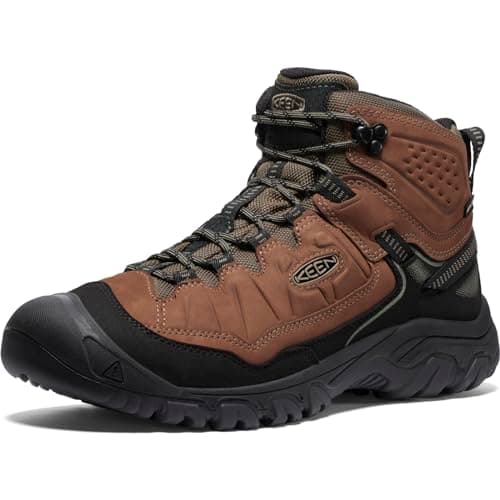 KEEN Targhee IV Mid Waterproof An ESS shank and a roomy forefoot in men's and women's Medium and Wide - the pick for a foot that rolls in and needs width, where a narrow stability boot would make things worse. | Best roomy fit | 9.1 / 10 | $187.00Amazon |
#ad · Prices come live from Amazon, last checked November 12, 2026. Scores are ours, compiled from published specs, widths and warranty terms against this page's problem, on our 8.4–9.8 scale — everything listed here is a pick we recommend. Product photos come straight from the retailer listing. Tap a row for the full write-up.
What overpronation actually is
Pronation is normal. Every foot rolls inward a little as it takes load - that is how the foot absorbs impact and adapts to uneven ground. Overpronation is just more of it than the structure above can comfortably handle: the arch flattens further, the heel tips inward, and the lower leg rotates with it.
On a trail that shows up in predictable places. The arch and the inside of the heel fatigue first. The inside of the knee and the shin can ache on long descents. Boots wear down asymmetrically and lean. And because the foot is lengthening slightly as the arch flattens under load, a boot that felt right in the shop can bruise toes on the way down a hill.
Two honest caveats before any of the picks. First, pronation is a movement, not a diagnosis, and the amount that is “too much” differs from person to person - the AAOS's guidance on athletic shoes (OrthoInfo) frames shoe choice around foot type and comfort rather than correcting a movement. Second, a flattening arch that is new, painful or on one side only is worth a professional opinion rather than a different boot; the AAOS describes adult-acquired flatfoot (OrthoInfo) as a progressive condition, and footwear is not treatment for it.
Read your old boots first
Your current footwear is better evidence than any online test. Put your most-worn pair on a flat table and look from behind, at eye level.
Where is the heel worn? Everyone lands slightly outside on the heel - that is normal heel-strike. What you are looking for is where the wear travels. Wear that sweeps across to the inside edge, and heavy wear under the ball of the big toe, is the inward-rolling pattern.
Does the upper lean? Stand the boots up and look at the heel counters from behind. If the cuffs tilt inward over the midsole rather than standing square, the foot has been pushing the boot over for a long time. That is the clearest single sign, and it is also the sign that the boot has stopped supporting anything - see when to replace hiking boots.
Is it both feet? Asymmetry matters. If one boot is crushed and the other is not, that is worth mentioning to a podiatrist rather than solving with a purchase. The opposite pattern - wear running down the outside edge - is a different problem with different answers, in best hiking boots for underpronation.
What we ranked on
Published medial structure, weighted hardest. A named frame, chassis, shank or plate, from the brand's own page. LOWA names a monowrap frame; Salomon names an Advanced Chassis; Merrell and KEEN name shanks. “Supportive” in marketing copy counts for nothing here, because it cannot be checked.
The footbed that comes in the box. Most hiking boots ship with a flat foam sheet that does nothing for an arch. A boot that ships with a molded, structured footbed - Oboz's O FIT, Orthofeet's orthotic insole - has already solved a problem you would otherwise pay for separately, so it scores for it.
Heel hold. A foot that rolls inward moves more inside the boot, so a deep heel cup and a heel counter that actually locks matter more than usual. A heel that lifts will undo the best arch structure on the market; lacing that stops it is in hiking boot lacing techniques.
Published width range, at 15% of the score on this page, because support that only comes in one width is support for one shape of foot. And weight, lightly, because structure usually costs grams and that is a trade worth seeing rather than hiding.
When the insole is the real answer
If your boots fit properly in length and width and they are not yet worn out, the cheapest and often the best move is to replace the flat foam footbed inside them rather than buying a new pair. A structured insole puts a shaped shell under the arch and a cup around the heel, which is most of what a “stability boot” is doing anyway, and it costs a fraction of the boot.
The one to be careful about is the medial post - a firmer wedge on the inside of the heel that resists the foot rolling in. It is the component most directly aimed at this pattern, which also means it is the wrong component if your foot rolls the other way. The comparison is in Superfeet vs PowerStep, and the wider field is in best insoles for hiking boots.
Do the insole first if the boots fit. Do the boots first if they do not - no insole rescues a boot that is the wrong length or width, and adding volume to a boot that is already tight is how you turn an arch problem into a blister problem.
Why we don't say “motion control”
Running shoes are sold in stability and motion-control categories, and it is tempting to map that onto hiking boots. We do not, for one reason: no hiking boot brand publishes a pronation category for its boots. There is no stated degree of correction, no measurement and no standard, so any claim that one boot controls pronation more than another would be invented.
What brands do publish is the hardware - the frame, the chassis, the shank, the footbed shell, the heel cup - and that is what this page ranks. It is a proxy, and we would rather use a stated proxy than a confident guess. The published weights for the whole rubric are in how we choose.
It is also worth saying that comfort is a legitimate test. The APMA's guidance on choosing sports shoes (APMA) puts fit and comfort first, and a boot that feels right on a staircase in the shop is giving you real information that no spec sheet can.
Load, descent and late-day collapse
Pronation is not a fixed quantity you have. It is a response to load, and almost everything that makes a hike hard increases it.
A pack multiplies it. Extra mass on your back goes through the same arch, and a foot that holds its shape on a day hike can flatten noticeably under a multi-day load. That is the main reason this page weights published structure at 35% rather than treating it as a preference: structure is what stops the collapse getting worse as the pack gets heavier. If you carry weight regularly, read best backpacking boots alongside this page.
Descents are where it hurts. Going downhill loads the foot harder and for longer, and a foot that is rolling in is also sliding slightly forward in the boot. That combination is the single most common source of bruised toenails, which people usually blame on boot length when the real cause is the foot moving. What to do about it is in toes hurt hiking downhill.
Feet change over a day. Most feet swell and lengthen over hours of walking, so the boot that felt supportive at the trailhead is working against a slightly larger, slightly flatter foot by the afternoon. This is why fitting boots late in the day, in hiking socks, is standard advice, and why a boot with a width option is worth more to an overpronating foot than a boot with a stiffer frame in one width.
The rest of the kit does real work here. A sock with a snug arch band holds the foot together inside the boot and reduces the sliding that structure alone cannot stop - the field is in best hiking socks. And relacing at the ankle so the heel cannot lift is free and takes a minute. None of that corrects pronation; all of it reduces the movement that makes pronation uncomfortable, which is the part you can actually feel.
The width trap
A foot that rolls inward also tends to spread under load, and the instinct is to buy a more structured boot. The trap is that the most structured boots are often the narrowest ones, because a narrow last is easier to build a stiff frame around. Squeezing a spreading foot into a stiff narrow boot gives you the support and the blisters at the same time.
That is why two of the six picks here are on this page specifically for their fit range rather than their frame, and why the Orthofeet Ridgewood - the one built around an orthotic insole - is also the one sold in 4E. If width is your main constraint, start at best hiking boots for wide feet and bring the arch structure in with an insole afterwards.
In detail
Every pick, in full
01
Best published support frame
LOWA Renegade EVO GTX Mid
Built for
LOWA builds the Renegade on a monowrap frame that cradles the midsole from the outside in, which is the most explicit structural answer to a foot that collapses inward in this group.
Widths sold: Men's Medium, Wide; Women's (WS) Medium
Published specs (tap for source)
- Problem fit (30%)
- 9.9
- Fit range (15%)
- 9.2
- Support & protection (35%)
- 9.2
- Durability & warranty (15%)
- 9.2
- Weight (5%)
- 8.8
Why we picked it
- Men's version sold in Medium and Wide
- LOWA says it keeps the original Renegade's comfort and fit, with strategic updates
- GORE-TEX lining and a Vibram Rene Trac outsole
Good to know
Not the one for you if you're a woman with wide feet: the women's WS version is sold in Medium only.
#ad · Price as of November 12, 2026 · Affiliate disclosure for the link to LOWA Renegade EVO GTX Mid
02
Best chassis on uneven ground
Salomon X Ultra 5 Mid GTX
Built for
Salomon's Advanced Chassis sits between the midsole layers and is the one published component here whose stated job is controlling how the foot moves side to side.
Widths sold: Men's D - Medium, E - Wide; Women's B - Medium
Published specs (tap for source)
- Problem fit (30%)
- 9.9
- Fit range (15%)
- 9.2
- Support & protection (35%)
- 9.2
- Durability & warranty (15%)
- 8.8
- Weight (5%)
- 9
Why we picked it
- Men's E - Wide version
- Advanced Chassis with an All Terrain Contagrip outsole
- quickLACE lacing
Good to know
Not the one for you if you're a woman with wide feet: Zappos lists the women's version in B - Medium only.
#ad · Price as of November 12, 2026 · Affiliate disclosure for the link to Salomon X Ultra 5 Mid GTX
03
Best stock footbed
Oboz Sawtooth X Mid Waterproof (B-DRY)
Built for
The O FIT insole ships in the box with a molded shell and a deep heel cup, so the structure is under your arch on day one instead of being something you buy separately.
Widths sold: Men's Regular, Wide; Women's Regular, Wide
Published specs (tap for source)
- Problem fit (30%)
- 9.9
- Fit range (15%)
- 9.5
- Support & protection (35%)
- 8.8
- Durability & warranty (15%)
- 9.2
- Weight (5%)
- 8.8
Why we picked it
- Regular and Wide for both men and women
- 8 mm drop, lower than the Moab 3 Mid's 11.5 mm or the Targhee IV Mid's 12 mm
- Adaptive Cushioning midsole with an O FIT triple-density EVA insole
Good to know
Not the one for you if you want a GORE-TEX membrane and a Vibram outsole: the Sawtooth X Pro Mid GTX has both, in Standard width only.
#ad · Price as of November 12, 2026 · Affiliate disclosure for the link to Oboz Sawtooth X Mid Waterproof (B-DRY)
04
Best widely available option
Merrell Moab 3 Mid Waterproof
Built for
A nylon shank and a contoured footbed in the broadest published width range here. Not the strongest medial structure on the page, but the easiest to try on in your size.
Widths sold: Men's Medium, Wide; Women's Medium, Wide
Published specs (tap for source)
- Problem fit (30%)
- 9.3
- Fit range (15%)
- 9.5
- Support & protection (35%)
- 9.2
- Durability & warranty (15%)
- 9.2
- Weight (5%)
- 8.8
Why we picked it
- Sold in Wide for both men and women
- Vibram TC5+ outsole with 5 mm lugs
- Pig suede leather and mesh upper over a molded nylon arch shank
Good to know
Not the one for you if you hike mostly in hot, dry weather: a membrane slows drying and adds heat, and the breathable Moab 3 Mid does the same job cooler.
#ad · Price as of November 12, 2026 · Affiliate disclosure for the link to Merrell Moab 3 Mid Waterproof
05
Best arch support out of the box
Orthofeet Ridgewood
Built for
The only boot here that ships with an orthotic insole and anatomical arch support as the product's whole premise, in men's D, EE and 4E. It is also the heaviest thing on this list.
Widths sold: Men's D (Medium), EE (Wide), 4E (X-Wide)
Published specs (tap for source)
- Problem fit (30%)
- 9.9
- Fit range (15%)
- 9.9
- Support & protection (35%)
- 8.8
- Durability & warranty (15%)
- 8.8
- Weight (5%)
- 7.8
Why we picked it
- Three men's widths, up to 4E (X-Wide)
- Waterproof full-grain leather upper
- Orthotic insole with anatomical arch support comes in the boot
Good to know
Not the one for you if you're counting ounces for long miles: Zappos lists it at 1 lb 15 oz, and the shaft height and outsole aren't published.
#ad · Price as of November 12, 2026 · Affiliate disclosure for the link to Orthofeet Ridgewood
06
Best roomy fit
KEEN Targhee IV Mid Waterproof
Built for
An ESS shank and a roomy forefoot in men's and women's Medium and Wide - the pick for a foot that rolls in and needs width, where a narrow stability boot would make things worse.
Widths sold: Men's standard, Wide; Women's standard, Wide
Published specs (tap for source)
- Problem fit (30%)
- 9.3
- Fit range (15%)
- 9.5
- Support & protection (35%)
- 8.8
- Durability & warranty (15%)
- 8.8
- Weight (5%)
- 8.8
Why we picked it
- Wide versions for both men and women
- KEEN.FUSION bonded (glue-free) construction; PFAS-free
- KEEN says its KEEN.RUGGED outsole is twice as abrasion-resistant as rubber
Good to know
Not the one for you if you want a GORE-TEX membrane: KEEN.DRY is KEEN's own in-house membrane.
#ad · Price as of November 12, 2026 · Affiliate disclosure for the link to KEEN Targhee IV Mid Waterproof
The structure each one publishes
Every value below is published by the brand or a major retailer and links to its source. Blanks are real: no hiking boot brand publishes a pronation rating, so what you see here is the hardware, not a correction claim.
| Spec | LOWA Renegade EVO GTX Mid | Salomon X Ultra 5 Mid GTX | Oboz Sawtooth X Mid Waterproof (B-DRY) | Orthofeet Ridgewood |
|---|---|---|---|---|
| Widths | Men's Medium, Wide; Women's (WS) Medium | Men's D - Medium, E - Wide; Women's B - Medium | Men's Regular, Wide; Women's Regular, Wide | Men's D (Medium), EE (Wide), 4E (X-Wide) |
| Midsole | Double-injection DuraPU/DynaPU | EVA | Not published | Ortho-Cushion multi-layer midsole |
| Upper | Heinen Terracare nubuck | Matryx (women's page) | "Waterproof leather and mesh windows" (men's) | Waterproof full-grain leather |
| Outsole | Vibram Rene Trac | All Terrain Contagrip | Trail Tread HD | Not published |
| Weight | 590 g single shoe (men's); 485 g single shoe (women's) | 13.75 oz (women's, Zappos); men's not published | 19.4 oz / 550 g (men's); 16.3 oz / 462 g (women's), basis not stated | 1 lb 15 oz (Zappos, unit not stated) |
The order to try things in
1. Check the fit you already have. Length and width first, in the socks you hike in. If the boots are too short or too narrow, nothing else on this list helps.
2. Lock the heel. A surgeon's knot at the ankle flex point, or lace-lock through the top eyelets, costs nothing and stops the heel lifting - which is half of what feels like instability.
3. Replace the footbed. A structured insole in a boot that fits does most of the work of a stability boot at a fraction of the price.
4. Then change the boot, and when you do, buy the structure that is published rather than the structure that is described. If pain is persistent, severe or one-sided, step 0 is a podiatrist, not any of this.
In one line
Our recommendation
Best for Overpronation
LOWA Renegade EVO GTX Mid
9.4 / 10LOWA builds the Renegade on a monowrap frame that cradles the midsole from the outside in, which is the most explicit structural answer to a foot that collapses inward in this group.
$275.75Renegade EVO GTX Mid on Amazon#ad · Price as of November 12, 2026 · Affiliate disclosure for the link to LOWA Renegade EVO GTX Mid
Runner-up
Salomon X Ultra 5 Mid GTX
9.3 / 10Salomon's Advanced Chassis sits between the midsole layers and is the one published component here whose stated job is controlling how the foot moves side to side.
$169.99$190.00−11%X Ultra 5 Mid GTX on Amazon#ad · Price as of November 12, 2026 · Affiliate disclosure for the link to Salomon X Ultra 5 Mid GTX
How we chose
Scored on published specs, side by side
Every pick here is scored against the problem this page is about, using the brand's published specs, width and size charts, warranty terms and cited research. Every figure links to where it came from, so you can check any of it yourself — the full source list is at the bottom of the page.
Scores are editorial judgments from that published data, weighted for this page's problem, and published on our 8.4–9.8 scale: 8.4–8.9 is excellent and strongly recommended, 9.0–9.4 outstanding, 9.5–9.8 category-defining. Nothing below 8.4 is listed here. The weights are below. The full rubric is on How We Choose.
- Problem fit
- 30%
- Fit range
- 15%
- Support & protection
- 35%
- Durability & warranty
- 15%
- Weight
- 5%
The weights this page used for its scores.
FAQ
Questions people ask
How do I know if I overpronate?
Do I need a special boot, or will an insole do?
Are motion-control hiking boots a thing?
Is overpronation the same as flat feet?
Keep going
Related fixes and picks
- Best hiking boots for underpronationThe opposite wear pattern, and why it needs cushioning instead.
- Best hiking boots for flat feetThe arch-shape side of the same question.
- Best insoles for hiking bootsThe cheaper first move when the boots already fit.
- Superfeet vs PowerStepWhich structured insole suits which pattern.
Update log
What changed
- First published.
Receipts
Sources
- 01AAOS OrthoInfo: Athletic Shoes (accessed Nov 6, 2026)
- 02AAOS OrthoInfo: Adult Acquired Flatfoot (accessed Nov 6, 2026)
- 03APMA: Choosing Shoes for Sports (accessed Nov 6, 2026)
Specs, widths and materials come from the brand's own pages (or a named retailer's listing where the brand doesn't publish them); health information comes from the research and professional bodies linked above. Prices come live from Amazon and carry the date they were checked. Where a figure isn't published, we say so. Read the full method.